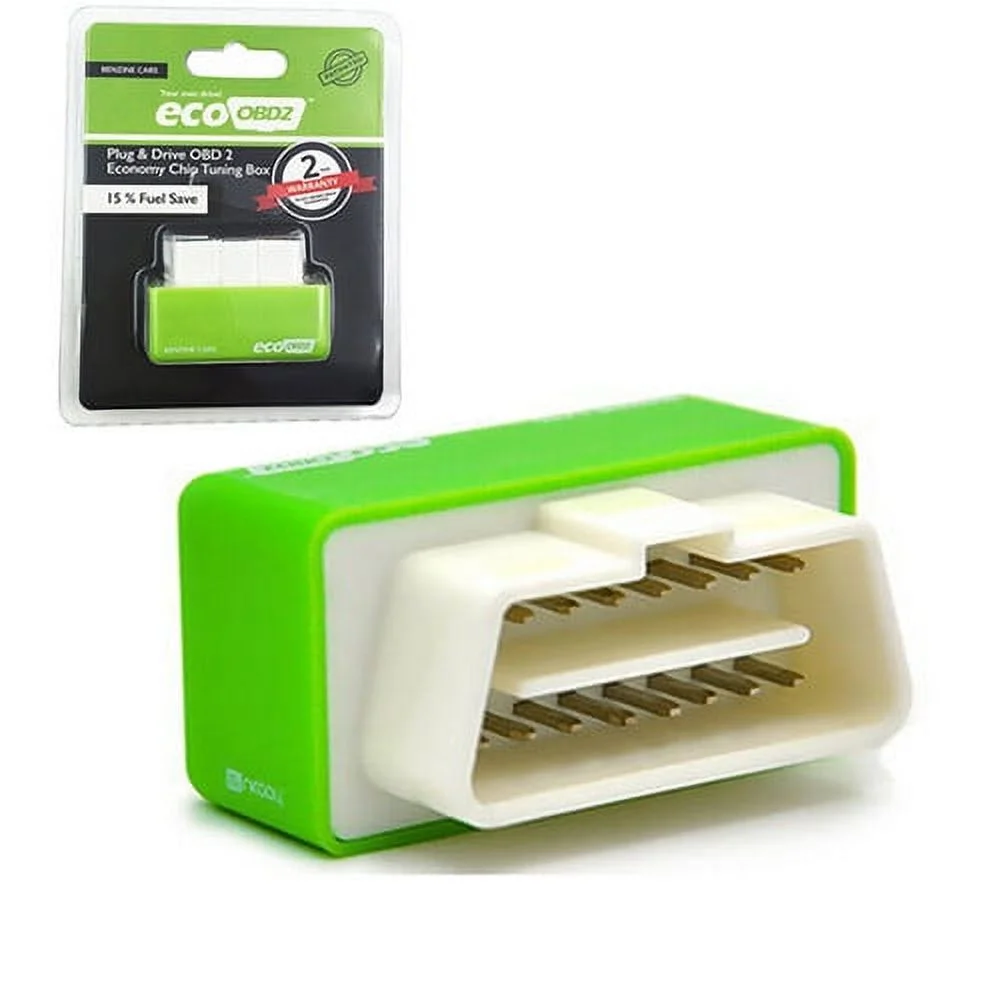
Eco Fuel Saver: A Comprehensive Analysis
Eco Fuel Saver devices have gained popularity in the automotive aftermarket, promoted as simple plug-in modules that promise to improve your vehicle’s fuel efficiency. This document examines what these devices are, how they claim to work, their technical specifications, and whether they deliver on their promises. We’ll explore independent testing results, customer experiences, and provide a balanced assessment to help you make an informed decision before purchasing.
What is Eco Fuel Saver?
Eco Fuel Saver is a small electronic device that plugs into your vehicle’s On-Board Diagnostics (OBD2) port, which is standard in most cars manufactured after 1996. This port provides access to the vehicle’s Engine Control Unit (ECU) and is typically used by mechanics for diagnostics and emissions testing.
The device is marketed as a fuel-saving solution that can optimise your vehicle’s fuel consumption by communicating with and modifying the car’s engine management system. Manufacturers claim it works by analysing your driving habits and adjusting the fuel injection parameters to deliver optimal efficiency.
Eco Fuel Saver is positioned as an affordable alternative to expensive engine remapping services, offering consumers a simple plug-and-play solution that requires no technical knowledge or permanent modifications to their vehicle. The compact size—typically no larger than a standard USB drive or small box—makes it unobtrusive once installed.
Error! Filename not specified.
The device typically features an LED indicator that shows when it’s active and allegedly working to optimise your fuel consumption. It’s designed to be compatible with most petrol and diesel vehicles with an OBD2 port, regardless of make or model, suggesting a universal solution to rising fuel costs and environmental concerns.
How Does Eco Fuel Saver Work?
According to manufacturers, the Eco Fuel Saver works by interfacing with your vehicle’s Engine Control Unit (ECU) through the OBD2 port. The device allegedly communicates with the ECU to adjust and optimise the vehicle’s fuel maps—the programmed settings that control how much fuel is injected into the engine under various operating conditions.
Initial Connection
When first plugged in, the device claims to establish a connection with your vehicle’s ECU to access the current fuel management parameters.
Learning Phase
The device supposedly monitors your driving habits over the first 150-200 miles, collecting data on acceleration patterns, speed, and engine load.
Adjustment Phase
Based on the collected data, the device claims to make micro-adjustments to the fuel delivery parameters within the ECU to optimise consumption.
Continuous Optimisation
Manufacturers claim the device continues to fine-tune these settings over time, adapting to any changes in your driving patterns or vehicle condition.
Proponents of the device claim it can deliver up to 35% improvement in fuel efficiency, which would represent a significant saving for most motorists. The technology is said to work by ensuring the optimal air-fuel mixture is maintained at all times, reducing the amount of unburnt fuel and lowering emissions in the process.
It’s important to note that these are the claimed mechanisms, and as we will explore in later sections, independent testing has raised serious questions about whether the device actually performs these functions or delivers meaningful results.
Eco Fuel Saver Technical Background
To understand the feasibility of Eco Fuel Saver’s claims, it’s essential to examine the technical aspects of how vehicles manage fuel and how the OBD2 system works. The OBD2 (On-Board Diagnostics, version 2) port was standardised in the mid-1990s primarily as a way for mechanics and regulatory agencies to access vehicle diagnostic information and emissions data.
The OBD2 port features 16 pins, each with specific functions. However, technical analysis of many fuel-saving devices reveals that they often connect only to the power and ground pins (pins 4 and 5) rather than the actual data communication pins that would be necessary to interface with the ECU in a meaningful way.
Modern vehicle ECUs are sophisticated computers with proprietary software and security measures designed to prevent unauthorised modifications. Manufacturers invest millions in developing and fine-tuning their engine management systems to balance performance, fuel economy, emissions, and reliability.
Professional engine remapping requires specialised equipment and software that can cost thousands of pounds, along with extensive knowledge of vehicle-specific parameters. The idea that a small, generic device costing a fraction of that price could safely and effectively optimise these complex systems across all vehicle makes and models raises significant technical questions.
Multiple independent technical reviews have found that when analysing actual fuel consumption before and after installation, no meaningful change in fuel economy could be measured under controlled conditions. These findings contradict the dramatic improvements claimed in marketing materials.
Eco Fuel Saver Features
Plug-and-Play Installation
The Eco Fuel Saver features a simple design that plugs directly into your vehicle’s OBD2 port without requiring any tools or technical expertise. The device is ready to use immediately after installation with no configuration needed.
Compact Size
With its small form factor, the device fits discreetly under your dashboard once installed. The compact design ensures it doesn’t interfere with driver leg room or other dashboard controls.
Universal Compatibility
Manufacturers claim the device works with virtually all petrol and diesel vehicles manufactured after 1996 that have an OBD2 port, regardless of make, model, or engine size.
LED Indicator
Most models feature an LED light that indicates when the device is powered and supposedly working to optimise your vehicle’s fuel consumption.
The device is designed to be completely removable, allowing users to unplug it at any time without leaving any permanent modifications to the vehicle’s systems. This non-invasive approach is one of the key selling points, as it doesn’t void vehicle warranties according to most manufacturers.
Some versions of the Eco Fuel Saver claim to include additional features such as diagnostic capabilities or driving habit analysis, though these features are rarely detailed in technical specifications. The overall simplicity of the device—both in its physical form and operation—is central to its marketing appeal, promising effortless fuel savings without complex installation procedures or ongoing maintenance.
Claimed Benefits of Eco Fuel Saver
The Eco Fuel Saver is marketed with a range of benefits that appeal to cost-conscious and environmentally aware consumers. Understanding these claimed advantages helps explain why these devices continue to find a market despite technical skepticism.
Significant Fuel Economy Improvements
The most prominent claim is that the device can improve fuel efficiency by up to 35%, representing substantial savings at the petrol pump. For the average driver, this could potentially amount to hundreds of pounds saved annually.
Reduced Carbon Emissions
By optimising fuel consumption, manufacturers claim the device helps reduce your vehicle’s carbon footprint and other harmful emissions, appealing to environmentally conscious consumers.
Improved Engine Performance
Some marketing materials suggest the device can enhance overall engine performance, providing smoother acceleration and more responsive driving experience.
Extended Engine Life
By optimising combustion, proponents claim the device reduces engine strain and may contribute to longer engine life and reduced maintenance costs.
The appeal of these devices is strengthened by the claim that users don’t need to change their driving habits to see results. Simply install the device and continue driving as normal, and the fuel savings should materialise automatically.
For budget-conscious consumers, the potential return on investment is particularly attractive. With a one-time purchase that typically costs between £20-60, the device could theoretically pay for itself within a few months of regular driving if the fuel economy claims were accurate.
This combination of economic and environmental benefits, coupled with the ease of use, creates a compelling value proposition that continues to attract consumers despite the lack of scientific evidence supporting these claims.
Evidence and Independent Testing
When evaluating the effectiveness of Eco Fuel Saver devices, it’s crucial to look beyond manufacturer claims and examine independent testing results. Numerous automotive experts, consumer protection organisations, and technical reviewers have conducted tests to verify the performance of these fuel-saving devices.
Controlled Driving Tests
Multiple independent automotive testing organisations have conducted before-and-after fuel consumption tests under controlled conditions. These tests typically involve establishing a baseline fuel economy, installing the device, and then measuring consumption over identical routes with the same driving conditions. The vast majority of these tests showed no statistically significant improvement in fuel economy.
Technical Teardowns
Engineering experts have disassembled various fuel-saving devices to examine their internal components. Many were found to contain only simple circuit boards with LEDs and minimal electronic components incapable of reprogramming an ECU. Some contained no active circuitry at all beyond what’s needed to power an indicator light.
OBD2 Communication Analysis
Technical analysts have monitored OBD2 port data communication during device operation. Most tests revealed that the devices did not engage in meaningful two-way communication with the vehicle’s ECU, contradicting claims that they can “remap” or “optimise” engine performance parameters.
Long-Term User Studies
Consumer organisations have collected data from long-term users. These studies typically showed that any perceived improvements were more likely attributable to increased awareness of driving habits (users paying more attention to their driving style after installing a device they believed would save fuel) rather than actual device effectiveness.
It’s worth noting that results occasionally vary, with some users reporting modest improvements. However, these improvements are typically well below the advertised 35% and could often be explained by other factors such as seasonal temperature changes, fuel quality variations, or changes in driving routes and habits.
The scientific consensus among automotive engineering experts is that significant fuel economy improvements require actual changes to engine parameters, driving behaviour, or vehicle aerodynamics—none of which can be meaningfully achieved by simply plugging a small device into the OBD2 port.
Pros of Using Eco Fuel Saver
Despite skepticism from technical experts, there are some potential advantages to using Eco Fuel Saver devices that consumers might consider. These benefits primarily relate to the user experience rather than the claimed technical effects.
Simple Installation Process
The device offers genuinely effortless installation that requires no technical knowledge. Anyone can locate their vehicle’s OBD2 port (typically under the dashboard) and plug in the device without tools or assistance from a mechanic.
Non-Permanent Modification
Unlike engine modifications or aftermarket parts that require permanent changes to your vehicle, the Eco Fuel Saver can be removed instantly without leaving any trace, preserving your vehicle’s original condition and warranty status.
Low Initial Investment
Compared to professional engine remapping services that can cost hundreds of pounds, the relatively low price point makes it a low-risk purchase for consumers curious about potential fuel savings.
For some users, the psychological benefit of feeling they’re taking action to improve fuel economy shouldn’t be discounted. This increased awareness often leads to more conscious driving habits, which can genuinely improve fuel efficiency regardless of the device’s actual effectiveness.
The device may also serve as a visible reminder to consider fuel-efficient driving techniques. Studies show that driver behaviour has a significant impact on fuel consumption, and anything that encourages more efficient driving habits could indirectly lead to some savings.
While these benefits don’t align with the primary marketing claims about technical performance improvements, they do represent real advantages that some consumers might value when considering whether to try an Eco Fuel Saver.
Cons of Using Eco Fuel Saver
When evaluating the Eco Fuel Saver, it’s important to consider the significant drawbacks and limitations that have been identified through technical analysis and user experiences.
Lack of Scientific Evidence
There is a pronounced absence of peer-reviewed scientific studies confirming the effectiveness of these devices. The fundamental claims about engine remapping via the OBD2 port conflict with automotive engineering principles and have not been validated by independent research.
No Automotive Industry Support
Major vehicle manufacturers and automotive engineering associations have not endorsed these products. If simple plug-in devices could significantly improve fuel economy, it’s reasonable to expect that car manufacturers would incorporate similar technology into their vehicles or recommend them to customers.
Questionable Value for Money
Given the lack of measurable performance improvements in controlled tests, the purchase price—however modest—may represent poor value if no actual fuel savings materialise.
Generic Design Across Brands
Technical teardowns have revealed that many differently branded fuel-saving devices are physically identical inside, suggesting mass production of generic devices rather than customised technological solutions.
Another significant concern is the potential for missed opportunities. Consumers who invest in these devices might forgo more effective fuel-saving measures like proper tyre inflation, regular maintenance, or adopting more efficient driving habits, believing the device alone will solve their fuel economy concerns.
Some consumer protection agencies have also raised concerns about the marketing practices used to sell these devices, noting that the dramatic fuel savings claimed are typically not achievable in real-world conditions. This has led to investigations in some regions regarding potentially misleading advertising.
Finally, while most devices appear harmless to vehicle systems, connecting unknown third-party hardware to your vehicle’s diagnostic port could potentially void aspects of your warranty if a dealer can demonstrate that the device caused a problem. This risk, while small, represents another disadvantage to consider.
Customer Reviews: Positive Experiences
Despite technical skepticism, some users report positive experiences with Eco Fuel Saver devices. While these accounts must be balanced against independent testing results, they provide insight into why the product continues to find customers.
After installing the Eco Fuel Saver, I’ve noticed my tank seems to last about 20-30 miles longer between fill-ups. Not quite the 35% they advertise, but still worthwhile for the price.
Common themes in positive reviews include:
- Reports of modest improvements in fuel economy, typically in the 5-15% range rather than the advertised 35%
- Appreciation for the simplicity of installation and use
- Perceived improvements in engine smoothness or responsiveness
- Satisfaction with the low cost relative to potential benefits
Average Claimed Improvement
Among positive reviewers, the typical reported fuel economy improvement is around 15%, less than half the marketed claim but still significant if accurate.
Installation Satisfaction
Nearly all customers, even those skeptical of results, praised the ease of installation, with most reporting successful setup within minutes.
Perceived Engine Improvement
About a third of positive reviewers reported subjective improvements in engine performance, though these are difficult to measure objectively.
It’s worth noting that the placebo effect may play a role in some positive experiences. When consumers invest in a product and expect improvements, they’re more likely to perceive positive changes, particularly with something as variable as fuel economy that can be affected by many external factors.
Customer Reviews: Negative Experiences
While some consumers report positive experiences, the majority of verified customer reviews and technical assessments trend negative. Understanding these criticisms provides important balance when evaluating Eco Fuel Saver devices.
No Measurable Improvement
The most common complaint is simply that the device produces no detectable change in fuel consumption. Many users report carefully tracking their mileage before and after installation and finding no statistically significant difference.
I drove exactly the same route to work for two months, recording my fuel consumption meticulously. After installing the Eco Fuel Saver, there was absolutely no improvement in my MPG figures. Complete waste of money.
Difficulty Obtaining Refunds
Multiple customers report challenges when attempting to claim money-back guarantees, citing unresponsive customer service or requirements to prove the device didn’t work—a difficult task for the average consumer.
When I tried to get my money back under their ’90-day satisfaction guarantee,’ they demanded proof that the device hadn’t improved my fuel economy. How exactly am I supposed to provide that kind of technical evidence?
Questionable Business Practices
Some reviewers express concern about marketing tactics, particularly the use of technical-sounding jargon that seems designed to confuse rather than inform consumers about how the device actually works.
The product description was full of impressive-sounding technical terms, but when I asked their customer service to explain exactly how it modifies my engine’s performance, they couldn’t give me a straight answer.
Technical reviewers and automotive experts are often the most critical, pointing out that the claimed mechanism of action conflicts with established engineering principles. Several prominent automotive publications have published detailed analyses concluding that these devices cannot deliver the advertised improvements.
The consistency of negative technical reviews from qualified experts, combined with the majority of customer experiences reporting no meaningful benefits, presents a significant counterpoint to the marketing claims and occasional positive testimonials.
Any Side Effects?
When considering any aftermarket automotive device, potential side effects and safety concerns are paramount. Fortunately, most reviews and technical analyses suggest that Eco Fuel Saver devices are generally safe for vehicle systems, with few reported negative side effects.
Physical and Mechanical Safety
The OBD2 port is designed to allow diagnostic connections without interfering with critical vehicle systems. Most Eco Fuel Saver devices draw minimal power and don’t attempt to modify safety-critical systems. Technical teardowns typically reveal simple circuitry that lacks the capability to cause direct mechanical harm to engine components.
Vehicle Computer Systems
Modern vehicles have sophisticated security measures to prevent unauthorised modifications to engine management systems. This means that even if a device attempted to make harmful changes (which most appear incapable of doing), the vehicle’s ECU would likely reject them.
Reported User Concerns
- Some users report dashboard warning lights appearing after installation, though these typically disappear when the device is removed
- In rare cases, users have reported interference with legitimate diagnostic tools when the device is left installed during servicing
- A small number of consumers express concern about potential long-term effects on the OBD2 port itself from extended use
Psychological Side Effects
Perhaps the most significant side effect is psychological—the disappointment and distrust that can develop when consumers realise a product isn’t delivering on its promises. This can lead to broader skepticism about legitimate fuel-saving technologies and practices.
While physical risks appear minimal, consumers should remain cautious about connecting any third-party device to their vehicle’s systems, particularly those from manufacturers without established reputations in the automotive sector.
Installation and Use Instructions
If you’re considering trying an Eco Fuel Saver despite the technical concerns outlined in previous sections, the installation process is straightforward. The following guide explains how these devices are typically installed and used according to manufacturer instructions.
Locate Your OBD2 Port
The OBD2 port is typically located under the dashboard on the driver’s side. In some vehicles, it may be behind a small access panel or near the steering column. Consult your vehicle’s manual if you have difficulty finding it.
Ensure Proper Conditions
Before installation, turn off your vehicle’s ignition. Some manufacturers recommend disconnecting the battery for a few minutes, though this is rarely necessary and will reset other electronic systems in your car.
Connect the Device
Insert the Eco Fuel Saver into the OBD2 port, ensuring it’s fully seated. The device should fit snugly without requiring excessive force. Most units have an LED that will illuminate when properly connected.
Initial Setup Period
Turn on your vehicle’s ignition and allow it to run for approximately 30 seconds without starting the engine (if your vehicle allows this). This supposedly allows the device to establish initial communication with your ECU.
After Installation
According to manufacturer instructions, the device requires a “learning period” after installation. During this time, it supposedly monitors your driving habits and begins making adjustments to your vehicle’s fuel management system. This period typically lasts for 150-200 miles of driving.
Most manufacturers recommend normal driving during this period—no special driving patterns or behaviors are required. The device is claimed to work automatically without any user intervention beyond the initial installation.
Verification
To assess whether the device is having any effect on fuel economy, manufacturers suggest tracking your mileage and fuel consumption before and after installation. Calculate your miles per gallon (MPG) by dividing the distance travelled by the amount of fuel used, and compare pre-installation and post-installation figures.
It’s worth noting that for accurate comparison, conditions should be as similar as possible—same driving routes, similar weather conditions, and consistent driving habits.
Technical Insights: What’s Really Inside?
To truly understand Eco Fuel Saver devices, it’s helpful to examine what technical experts have found when disassembling and analysing these products. Several automotive engineers and electronics specialists have conducted teardowns of various fuel-saving devices, revealing insights about their actual capabilities.
Common Internal Components
- Basic circuit board with minimal complexity
- LED indicator and associated resistors
- OBD2 connector pins, often with only power and ground pins actually connected
- Small capacitors and resistors to regulate power
- In some cases, a simple microcontroller chip with minimal memory
Notably absent from most teardowns are components that would be necessary for sophisticated ECU communication and reprogramming, such as vehicle-specific protocols, substantial memory for storing engine maps, or processors capable of complex calculations.
Technical Limitations
For a device to legitimately reprogram or “tune” a modern vehicle’s ECU, it would require:
- Vehicle-specific programming and protocols (cars from different manufacturers use different communication systems)
- Substantial processing power to handle complex engine management algorithms
- Sophisticated security measures to safely modify critical engine parameters
- Extensive testing to ensure modifications don’t damage the engine or increase emissions
The simple construction found in most Eco Fuel Saver devices lacks these essential capabilities. In many cases, the devices appear designed primarily to power an LED indicator rather than perform meaningful modifications to engine parameters.
Some technical reviewers have observed that certain devices don’t even establish data communication with the vehicle’s systems, connecting only to power pins while giving the appearance of being functional through a blinking LED.
Claims Versus Reality: Market Analysis
The market for fuel-saving devices represents an interesting case study in consumer psychology and marketing. Understanding the disconnect between claims and reality helps explain why these products persist despite technical skepticism.
Product Proliferation
Technical analysis reveals that many different branded fuel-saving devices are physically identical, suggesting they come from the same factories but are marketed under different names. This “white labeling” practice makes it difficult for consumers to identify which products have been previously reviewed or tested.
Certification Claims
Many devices claim to be “certified” or “approved,” but these certifications rarely come from recognised automotive or engineering authorities. Instead, they often reference generic manufacturing standards that don’t specifically validate fuel-saving capabilities.
Testimonial Marketing
Marketing heavily relies on user testimonials rather than verifiable test data. While testimonials can be compelling, they don’t control for variables that affect fuel economy (weather, traffic, driving habits) and may not represent typical results.
Technical Jargon
Product descriptions often use impressive-sounding technical terminology that can confuse consumers without providing clear explanations of how the technology actually works. Terms like “ECU optimization” and “intelligent chip tuning” sound legitimate but lack technical specificity.
The market for these devices thrives partly because fuel costs are a significant concern for most vehicle owners, creating strong motivation to find solutions. The relatively low purchase price compared to potential savings (if claims were true) makes them an appealing gamble for many consumers.
Another factor is the difficulty of disproving effectiveness. Fuel economy naturally varies based on numerous factors including temperature, traffic conditions, fuel quality, and driving habits. This variation makes it challenging for the average consumer to conclusively determine whether small changes are due to the device or other factors.
From a regulatory perspective, these products often fall into a grey area. While outright fraudulent claims can be prosecuted, carefully worded marketing that includes phrases like “may improve” or “up to X% savings” provides legal flexibility while still creating optimistic consumer expectations.
Where to Buy Eco Fuel Saver?
If you’re considering purchasing an Eco Fuel Saver despite the technical concerns outlined in this document, it’s important to know the various retail channels where these devices are sold and the considerations for each.
Common Purchase Channels
Major e-commerce platforms like Amazon, eBay, and AliExpress offer numerous fuel-saving devices. These marketplaces provide the advantage of customer reviews and ratings, though be aware that some reviews may not be genuine. Marketplace purchases often include additional buyer protections through the platform’s policies.
Automotive Retailers
Some brick-and-mortar automotive supply stores carry fuel-saving devices, though established chains with technical expertise are less likely to stock products without proven effectiveness. Local auto parts shops might offer these devices based on customer demand rather than technical merit.
Purchasing Considerations
When selecting a retailer, consider these important factors:
- Return Policy: Verify the return policy before purchase. Look for retailers offering unconditional money-back guarantees with reasonable timeframes (30+ days) to adequately test the product.
- Price Variations: Prices can vary significantly between retailers for identical products. Extremely low prices may indicate counterfeit products, while unusually high prices don’t necessarily reflect better quality.
- Counterfeit Concerns: The market is flooded with copycat products that may mimic popular brands. While even genuine products have technical limitations, counterfeits may pose additional quality concerns.
- Customer Support: Consider the retailer’s reputation for customer service, particularly if you might need to process a return or warranty claim.
If you do decide to purchase, using a credit card can provide additional consumer protections through chargeback capabilities if the product doesn’t perform as advertised and the seller is unresponsive to refund requests.
Eco Fuel Saver Cost and Value
Understanding the financial aspects of Eco Fuel Saver devices is essential for making an informed purchase decision. This section examines pricing trends, potential return on investment, and value considerations based on realistic performance expectations.
Pricing Landscape
Eco Fuel Saver devices are available across a wide price spectrum, typically ranging from £20 to £60. This price variation doesn’t necessarily correlate with quality or effectiveness differences, as technical teardowns have shown many devices to be internally similar despite price disparities.
Return on Investment Analysis
The economic proposition of these devices hinges on their ability to deliver fuel savings. Based on average UK fuel prices and driving habits, here’s how the math works out:
- Average UK driver: 7,400 miles per year
- Average fuel economy: 40 MPG
- Fuel consumption: 185 gallons per year
- At £6 per gallon: £1,110 annual fuel cost
If a £30 device delivered the claimed 35% improvement (which independent testing suggests is unlikely), it would save approximately £388 annually—a significant return on investment. However, if the actual improvement is 0-2% as most independent tests indicate, the savings would be just £0-22 per year, taking 1.4 years to break even in the best case.
Value Considerations
When assessing value, consider these factors:
- Risk level: Low financial risk due to modest purchase price
- Opportunity cost: Investing the same amount in proven fuel-saving measures (proper tyre inflation, regular maintenance) may yield better returns
- Satisfaction factor: Even without measurable savings, some users report satisfaction from feeling they’re taking action on fuel economy
For budget-conscious consumers, it’s worth noting that simple driving habit adjustments like gentle acceleration, maintaining steady speeds, and reducing idling can improve fuel economy by 10-15% without any purchase required.
Frequently Asked Questions
Based on consumer inquiries and common concerns, here are answers to the most frequently asked questions about Eco Fuel Saver devices.
Will an Eco Fuel Saver void my vehicle’s warranty?
Generally, no. Under consumer protection laws like the Magnuson-Moss Warranty Act in the US and similar regulations in the UK and EU, manufacturers must prove that an aftermarket device caused a specific problem before denying warranty coverage. Since most Eco Fuel Savers don’t actually modify vehicle systems in a meaningful way, they’re unlikely to cause warranty issues. However, it’s advisable to remove the device before taking your vehicle for service to avoid any complications.
Are there any vehicles that shouldn’t use these devices?
Manufacturers typically claim their devices work with all vehicles manufactured after 1996 with an OBD2 port. However, some newer vehicles with sophisticated engine management systems might display error codes or warning lights when external devices are connected. Electric vehicles and most hybrids won’t benefit from these devices as they target traditional fuel injection systems.
How long does it take to see results?
Manufacturers usually claim that the device needs a “learning period” of 150-200 miles before optimising fuel consumption. Independent testing, however, has failed to detect significant improvements even after extended use. If you’re testing the device yourself, you should monitor fuel consumption for at least 500 miles before and after installation for a fair comparison.
Can the device damage my vehicle?
The risk of physical damage to your vehicle is very low. Technical analyses indicate that most devices lack the capability to modify engine parameters in ways that could cause harm. However, as with any aftermarket device, there’s always a small risk of unforeseen compatibility issues or electrical problems.
Are there legitimate alternatives for improving fuel economy?
Yes. Proven methods include maintaining proper tyre pressure, regular vehicle maintenance (particularly air filters and spark plugs), removing excess weight from your vehicle, reducing drag (roof racks, open windows at high speed), and adopting fuel-efficient driving habits. Professional engine remapping by qualified technicians can also provide genuine improvements, though at a much higher cost.
If you have specific questions about compatibility with your vehicle or performance expectations, it’s advisable to consult with a qualified automotive technician rather than relying solely on manufacturer claims or marketing materials.
Final Thoughts: Should You Try Eco Fuel Saver?
After examining the technical evidence, user experiences, and market context of Eco Fuel Saver devices, we can provide some balanced conclusions to help you make an informed decision.
Weighing the Evidence
The preponderance of technical evidence suggests that these devices cannot deliver the dramatic fuel savings claimed in marketing materials. Independent testing consistently shows minimal to no measurable improvement in fuel economy under controlled conditions. Technical analysis of the devices themselves reveals they lack the necessary components and capabilities to meaningfully reprogram modern vehicle engine management systems.
While some users report positive experiences, these anecdotal accounts are difficult to verify and may be influenced by numerous factors including the placebo effect, changes in driving habits, or normal variations in fuel economy due to seasonal changes and other external factors.
Risk Assessment
The financial risk of trying an Eco Fuel Saver is relatively low given the modest purchase price. Physical risk to your vehicle is also minimal, as most devices lack the capability to make harmful modifications to engine parameters.
However, there is an opportunity cost to consider. The money spent on a device with questionable effectiveness could instead be invested in proven fuel-saving measures such as professional maintenance or driver education.
Recommendation
For consumers primarily concerned with improving fuel economy, we recommend focusing on established methods with proven effectiveness: maintaining proper tyre pressure, regular vehicle maintenance, removing unnecessary weight, and adopting fuel-efficient driving habits.
If you’re still curious about Eco Fuel Saver devices despite the technical skepticism, consider purchasing only from retailers with generous return policies, maintain realistic expectations about potential benefits, and conduct your own careful before-and-after testing under consistent driving conditions.
References and Summary
This comprehensive analysis of Eco Fuel Saver devices has examined their claimed functionality, technical limitations, user experiences, and market context. The evidence suggests that while these devices are marketed with promising fuel-saving capabilities, independent testing and technical analysis indicate they are unlikely to deliver significant improvements in real-world conditions.
Technical Assessment
Technical teardowns and analyses by automotive engineers have consistently found that these devices lack the necessary components and capabilities to meaningfully reprogram modern vehicle engine management systems. Most contain only simple circuitry capable of powering an LED indicator rather than modifying complex engine parameters.
Independent Testing
Multiple independent tests conducted under controlled conditions have failed to detect statistically significant improvements in fuel economy. While results occasionally vary, the consensus among technical experts is that any perceived improvements are more likely attributable to changes in driving habits or external factors rather than the device itself.
Consumer Experience
Consumer experiences are mixed, with some reporting modest improvements while others detect no change. The subjective nature of these reports, combined with the many variables that affect fuel economy, makes it difficult to draw definitive conclusions from anecdotal evidence alone.
For consumers interested in genuine fuel economy improvements, we recommend focusing on proven methods such as proper vehicle maintenance, appropriate tyre inflation, and fuel-efficient driving habits. These approaches have been validated by automotive engineers and can deliver measurable benefits without additional purchases.
If you do choose to try an Eco Fuel Saver device, maintain realistic expectations, purchase only from retailers with strong consumer protections, and conduct careful before-and-after testing under consistent conditions to evaluate its effectiveness for your specific vehicle.
Ultimately, while the appeal of a simple plug-in solution to rising fuel costs is understandable, the evidence suggests that meaningful improvements in fuel economy require more comprehensive approaches than these devices can provide.