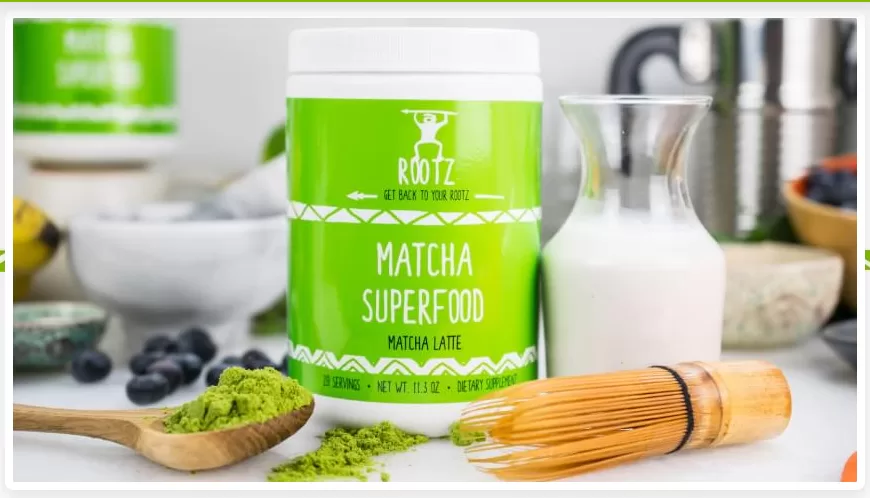
Matcha Superfood: An Overview
Matcha superfood, a finely ground powder made from specially grown and processed green tea leaves, has gained significant popularity in recent years for its impressive nutritional profile and versatile applications. This comprehensive guide explores everything you need to know about this Japanese superfood—from its origins and nutrient composition to its extensive health benefits, preparation methods, and considerations for consumption. Whether you’re new to matcha or looking to deepen your understanding of this powerful green powder, this document provides the essential knowledge to help you incorporate matcha effectively into your wellness routine.
What is Matcha Superfood?
Matcha superfood is a premium form of green tea that comes as a fine, vibrant green powder made from specially grown and processed tea leaves. Unlike conventional green tea where the leaves are steeped and discarded, matcha involves consuming the entire leaf, maximizing its nutritional benefits. This distinctive preparation method makes matcha unique among tea varieties, as it delivers a more concentrated dose of the beneficial compounds found in green tea.
The tradition of matcha dates back centuries in Japanese culture, where it holds a revered place in traditional tea ceremonies (chado or chanoyu). The cultivation process is meticulous—tea plants destined for matcha production are shade-grown for about three weeks before harvest. This shading technique increases chlorophyll production, enhances the amino acid content (particularly L-theanine), and gives matcha its distinctive bright green colour.
The harvested tea leaves undergo careful processing, where the stems and veins are removed before the leaves are stone-ground into an ultra-fine powder. This labour-intensive process contributes to matcha’s premium status and price point compared to regular green tea.
Matcha has earned its classification as a “superfood” due to its extraordinary nutrient density. The term “superfood” refers to foods that offer high levels of desirable nutrients, linked to promoting health and well-being. Matcha’s impressive profile of antioxidants, vitamins, minerals, amino acids, and chlorophyll—all delivered in a bioavailable form—firmly establishes its position in this category.
Today, matcha has transcended its traditional Japanese roots to become a global phenomenon, incorporated into various culinary applications from traditional tea preparations to modern lattes, smoothies, baked goods, and even skincare products. Its distinctive flavour profile—grassy, slightly bitter, with umami notes—combined with its nutritional benefits has made it a favourite among health enthusiasts and culinary innovators alike.
How Does Matcha Superfood Work?
The exceptional health benefits of matcha superfood are attributed to its unique biochemical composition and the way these compounds interact with the human body. Understanding the mechanisms behind matcha’s effects helps explain why it has been valued for centuries as both a medicinal and ceremonial substance.
Antioxidant Power
Matcha is extraordinarily rich in catechins, particularly epigallocatechin gallate (EGCG), which are potent antioxidants. These compounds neutralize harmful free radicals, protect cellular DNA from damage, and help mitigate oxidative stress. The concentration of these antioxidants in matcha is significantly higher than in regular green tea because the whole leaf is consumed rather than just an infusion.
Chlorophyll Benefits
The shade-growing process increases chlorophyll content in matcha leaves. This plant pigment is not only responsible for matcha’s vibrant green colour but also functions as a powerful detoxifier in the body, potentially binding to toxins and facilitating their elimination. The high chlorophyll content also contributes to matcha’s distinctive flavour profile.
L-Theanine and Caffeine Synergy
Matcha contains a unique amino acid called L-theanine, which works synergistically with caffeine to produce a state of calm alertness. While caffeine provides energy and enhances focus, L-theanine promotes relaxation without drowsiness. This combination results in sustained energy without the jitters or crashes associated with other caffeinated beverages like coffee.
The bioavailability of matcha’s nutrients is enhanced by its powdered form. When consuming matcha, you’re ingesting the entire leaf rather than just the water-soluble components that would be extracted during steeping. This whole-leaf consumption means you receive a fuller spectrum of nutrients, including those that are fat-soluble or bound to plant fibres.
Additionally, the caffeine in matcha is released more gradually into the bloodstream compared to coffee, partly due to its interaction with catechins and the presence of L-theanine. This results in a longer-lasting energy boost (typically 3-6 hours) without the sudden spike and crash often experienced with coffee consumption. This gradual release makes matcha an excellent option for sustained mental clarity and productivity throughout the day.
Unique Features of Matcha Superfood
Matcha stands apart from other superfoods and even other forms of green tea due to several distinctive characteristics that enhance its nutritional profile and functional benefits. These unique features explain why matcha has gained such prominence in the health and wellness community.
Whole-Leaf Consumption
Unlike traditional teas where leaves are steeped and discarded, matcha involves consuming the entire tea leaf in powdered form. This fundamental difference means you receive 100% of the tea’s nutrients rather than just the water-soluble components. Research indicates that drinking matcha may provide up to 137 times more antioxidants than regular brewed green tea, making it exceptionally potent.
Exceptional Antioxidant Profile
Matcha contains an impressive array of antioxidants, including catechins (particularly EGCG), vitamin C, vitamin E, and various polyphenols. Its antioxidant concentration, measured by ORAC (Oxygen Radical Absorbance Capacity) value, far exceeds most commonly consumed superfoods. A single serving of matcha contains more antioxidants than goji berries, dark chocolate, and blueberries combined, making it one of the most powerful natural sources for combating oxidative stress.
Shade-Growing Cultivation
The traditional cultivation method for matcha involves shading the tea plants for 20-30 days before harvest. This agricultural technique triggers significant changes in the plant’s biochemistry: chlorophyll production increases dramatically, giving matcha its vivid green colour; amino acid content (especially L-theanine) rises up to five times normal levels; and caffeine levels increase moderately. This specialized growing process fundamentally alters the leaf composition, creating a nutritional profile unique to matcha.
Another distinctive feature of matcha is its balanced energy profile. While many energy-boosting substances create rapid spikes and crashes in alertness, matcha’s combination of caffeine and L-theanine provides sustained energy and focus. The L-theanine promotes alpha wave activity in the brain—associated with relaxed attention—creating what Zen Buddhists have traditionally called “calm alertness,” an ideal state for both meditation and focused productivity.
Matcha also possesses a unique, complex flavour profile characterized by umami (savouriness), natural sweetness, and slight bitterness—a sensory experience often described as “the taste of mindfulness.” This distinctive taste makes matcha versatile in both culinary applications and as a daily ritual that encourages presence and awareness.
Nutritional Content of Matcha
The extraordinary nutritional density of matcha sets it apart as a true superfood. A closer examination of its nutrient profile reveals why this vibrant green powder has earned its reputation as one of nature’s most potent wellness elixirs.
Matcha’s most impressive nutritional feature is its exceptional antioxidant content. Using the ORAC (Oxygen Radical Absorbance Capacity) scale, which measures antioxidant strength, matcha scores an impressive 1,384 units per gram—significantly higher than other renowned antioxidant-rich foods. For comparison, pomegranates score about 105 units per gram, while blueberries register approximately 93 units.
The catechin content in matcha deserves special attention, particularly a powerful compound called epigallocatechin gallate (EGCG). This potent antioxidant has been extensively studied for its potential to protect cells from damage, support cardiovascular health, and potentially inhibit the growth of cancer cells. A single serving of matcha contains up to 137 times more EGCG than a standard cup of green tea.
Beyond antioxidants, matcha contains significant levels of essential vitamins and minerals. It provides vitamins A, C, E, K, and several B vitamins, along with minerals including potassium, calcium, iron, and phosphorus. These micronutrients support various bodily functions from immune health to bone strength.
Matcha also contains approximately 3.5g of fibre per serving, supporting digestive health and helping to regulate blood sugar. The amino acid profile of matcha is notable, with approximately 19 amino acids present, including the rare L-theanine, which constitutes up to 5% of the dry weight in high-quality matcha—significantly higher than in regular green tea.
A typical 2-gram serving of matcha contains approximately 70mg of caffeine—less than a cup of coffee (which averages 95-200mg) but more than regular green tea (about 35mg). This moderate caffeine content, combined with L-theanine, creates matcha’s signature balanced energy effect.
Health Benefits: Antioxidant Power
The extraordinary antioxidant properties of matcha superfood form the foundation of many of its health benefits. These compounds protect the body at the cellular level, potentially reducing risk factors for numerous chronic diseases and supporting overall wellness.
At the heart of matcha’s antioxidant prowess are catechins, particularly epigallocatechin gallate (EGCG), which constitutes up to 60% of the total catechin content. These powerful plant compounds work by neutralizing harmful free radicals—unstable molecules that can damage cellular structures including DNA, proteins, and cell membranes. This oxidative damage is implicated in premature aging and the development of many chronic diseases.
Cardiovascular Protection
Research suggests that regular matcha consumption may help reduce low-density lipoprotein (LDL or “bad” cholesterol) while increasing high-density lipoprotein (HDL or “good” cholesterol). The catechins in matcha have been shown to improve endothelial function, enhance vasodilation, and reduce inflammation in blood vessels—all factors that contribute to heart health and reduced risk of stroke and coronary artery disease.
Cellular Protection
The EGCG in matcha has demonstrated remarkable ability to protect cellular DNA from damage. Laboratory studies indicate that this compound may help prevent mutations that could lead to cancerous cell development. Additionally, several studies suggest that EGCG may inhibit tumour cell proliferation and even induce apoptosis (programmed cell death) in certain cancer cell lines, though more human clinical trials are needed.
Anti-Inflammatory Effects
Chronic inflammation underlies many degenerative diseases, from arthritis to heart disease. The antioxidants in matcha have been shown to suppress the production of pro-inflammatory cytokines and inhibit certain inflammatory pathways in the body, potentially reducing systemic inflammation that contributes to chronic disease development.
Liver Support
Some research indicates that the catechins in matcha may help protect liver cells from damage and improve liver enzyme markers in certain populations. This suggests potential for supporting liver health and function, though moderation is important as excessive consumption of green tea extracts has occasionally been linked to liver stress.
The cumulative effect of matcha’s antioxidant activity may contribute to what researchers call a reduced “oxidative burden”—essentially, less cellular damage over time. This reduced oxidative stress is thought to be a key factor in healthy aging and longevity, potentially explaining why populations with high green tea consumption often demonstrate greater health spans and lower incidence of certain age-related conditions.
It’s worth noting that matcha’s antioxidant content can be affected by quality, storage conditions, and preparation methods. Higher-grade matcha typically contains more antioxidants, and proper storage (cool, dark, airtight containers) helps preserve these beneficial compounds. Additionally, traditional preparation with hot (not boiling) water maximizes the extraction of these valuable antioxidants.
Health Benefits: Brain Function
Matcha superfood offers remarkable cognitive benefits thanks to its unique biochemical composition, making it a favourite among students, professionals, and anyone seeking enhanced mental performance without the downsides of conventional stimulants.
The cognitive benefits of matcha stem from a special synergy between two key compounds: L-theanine and caffeine. This combination creates a neurological state often described as “alert calmness” or “mindful alertness”—a balanced state of mental clarity without jitteriness or anxiety.
L-theanine, an amino acid found abundantly in matcha, crosses the blood-brain barrier and directly influences brain function. It promotes alpha wave activity in the brain, which is associated with a state of relaxed alertness similar to what is experienced during meditation. This compound increases the production of serotonin and dopamine—neurotransmitters that enhance mood, focus, and memory while reducing stress and anxiety levels.
Enhanced Concentration
Research has demonstrated that the L-theanine and caffeine combination found in matcha can significantly improve attention performance and alertness. Studies show improved accuracy on attention-switching tasks and faster reaction times compared to placebo. The effect is more balanced and sustained than with caffeine alone.
Memory Enhancement
The catechins in matcha may protect neural cells and enhance the formation of new neurons in the hippocampus—the brain region crucial for memory formation. Research suggests that regular green tea consumption is associated with reduced age-related cognitive decline and lower incidence of neurodegenerative disorders.
Mood Regulation
The L-theanine in matcha stimulates the production of GABA (gamma-aminobutyric acid), a neurotransmitter that has inhibitory effects on excitatory brain responses, helping to reduce anxiety. Additionally, theanine influences serotonin and dopamine production, neurotransmitters that regulate mood, pleasure, and motivation.
Unlike the energy from coffee, which often comes with a “crash” as caffeine levels drop, matcha provides sustained mental energy. This is because the catechins in matcha slow the release of caffeine, resulting in a gentle rise in energy that lasts 3-6 hours rather than the typical 1-3 hours with coffee. This sustained release prevents the blood sugar spikes and adrenal surges associated with coffee consumption.
Notably, studies using EEG (electroencephalogram) measurements have shown that matcha consumption increases alpha wave activity in the brain within about 30-60 minutes, with effects lasting several hours. This alpha state is associated with relaxed attention—ideal for tasks requiring sustained focus and creativity. Some research also suggests that long-term consumption of green tea catechins may have neuroprotective effects, potentially reducing the risk of cognitive decline and neurodegenerative diseases such as Alzheimer’s and Parkinson’s, though more research is needed in this area.
Health Benefits: Metabolism and Weight
Matcha superfood has gained considerable attention for its potential to support healthy metabolism and weight management. Its unique compounds may help optimize metabolic function and support fat oxidation, making it a valuable addition to a balanced approach to weight management.
Thermogenic Effect
Matcha contains compounds that can increase thermogenesis—the body’s rate of burning calories. Studies suggest that consuming matcha may increase energy expenditure (calorie burning) by up to 4-5% over a 24-hour period. While modest, this effect can contribute to weight management over time when combined with other healthy lifestyle factors.
Enhanced Fat Oxidation
Research indicates that the catechins in matcha, particularly EGCG, may enhance the body’s ability to use fat as an energy source during exercise. One study found that green tea extract increased fat oxidation during moderate-intensity exercise by up to 17%, suggesting that matcha may help optimize body composition when consumed as part of an active lifestyle.
Appetite Regulation
Some evidence suggests that matcha may help regulate hunger hormones and reduce appetite, potentially making it easier to maintain a calorie-controlled diet. The combination of catechins and caffeine may help regulate ghrelin (the “hunger hormone”) and support feelings of satiety after meals.
Beyond direct metabolic effects, matcha offers several complementary benefits that support healthy weight management. As a virtually calorie-free beverage when consumed traditionally (without added sweeteners or milk), matcha provides a satisfying, flavourful alternative to higher-calorie drinks. Its rich, umami flavour profile can help satisfy cravings and provide a sense of indulgence without excess calories.
The stable energy provided by matcha’s caffeine-L-theanine combination may also support an active lifestyle by enhancing exercise performance and recovery. Unlike the rapid energy spike and crash associated with some stimulants, matcha provides sustained energy that can support longer, more effective workouts. Additionally, some research suggests that the EGCG in matcha may help reduce post-exercise inflammation and muscle soreness, potentially allowing for more consistent training.
It’s important to note that while matcha can be a supportive element in a weight management strategy, it is not a magic solution for weight loss. The most substantial research evidence points to modest effects that work best when combined with a balanced diet, regular physical activity, and adequate sleep. Some studies suggesting dramatic weight loss effects have typically used high-dose green tea extracts rather than traditional matcha consumption, and such results may not be representative of typical outcomes from regular matcha drinking.
For those looking to harness matcha’s metabolism-supporting benefits, consistency is key—regular consumption (1-2 cups daily) appears to provide more benefit than occasional use. Additionally, timing may matter—some research suggests consuming matcha about 30-60 minutes before exercise may maximize its fat-oxidation effects during the workout.
Health Benefits: Longevity & Disease Prevention
The potential of matcha superfood to contribute to longevity and disease prevention has been the subject of increasing scientific interest. Traditional wisdom from regions where green tea consumption is highest has long suggested its connection to longer, healthier lives—a perspective now gaining support from modern research.
Epidemiological studies consistently show correlations between regular green tea consumption and reduced mortality from various causes. For instance, a large-scale study following over 40,000 Japanese adults for 11 years found that those who consumed five or more cups of green tea daily had a 26% lower risk of death from cardiovascular disease and a 16% lower risk of death from all causes compared to those who drank less than one cup daily. While these studies typically examine green tea rather than matcha specifically, matcha’s concentrated nature suggests its effects may be even more pronounced.
Cardiovascular Protection
Matcha’s catechins may help prevent the oxidation of LDL cholesterol—a key step in the development of atherosclerosis. Studies indicate that regular green tea consumption is associated with reduced risk of stroke, with one meta-analysis finding that drinking three cups of green tea daily was associated with a 21% lower risk of stroke compared to drinking less than one cup.
Cancer Risk Reduction
Laboratory and some epidemiological studies suggest that the EGCG and other polyphenols in matcha may help prevent the formation and growth of certain cancers. For example, women who regularly consume green tea appear to have a lower risk of developing breast cancer, while men who drink green tea regularly show reduced risk of prostate cancer in some population studies.
Diabetes Prevention
The catechins in matcha appear to improve insulin sensitivity and glucose metabolism. A Japanese study found that people who drank six or more cups of green tea daily had a 33% lower risk of developing type 2 diabetes compared to those who drank less than one cup per week.
Neurodegenerative Disease Protection
Emerging research suggests that the antioxidants in matcha may help protect against neurodegenerative conditions like Alzheimer’s and Parkinson’s disease. The catechins appear to reduce the formation of beta-amyloid plaques associated with Alzheimer’s and protect dopamine-producing neurons affected in Parkinson’s disease.
The anti-inflammatory effects of matcha may also contribute to its longevity benefits. Chronic inflammation is increasingly recognized as a driver of many age-related diseases, from arthritis to heart disease and cancer. The catechins in matcha have demonstrated ability to modulate inflammatory pathways and reduce markers of inflammation in the body, potentially slowing the progression of inflammatory conditions.
At the cellular level, some research suggests that matcha’s compounds may influence telomere length—protective caps on chromosomes that shorten with age. Longer telomeres are associated with longevity, and preliminary studies indicate that regular tea consumption may be linked to longer telomeres, though more research is needed in this emerging area.
While the evidence for matcha’s role in longevity is promising, it’s important to recognize that these benefits occur in the context of overall lifestyle. In the Blue Zones—regions of the world where people live measurably longer, healthier lives—tea consumption is typically just one element of a lifestyle that includes plant-rich diets, regular physical activity, strong social connections, and stress management practices. Matcha may contribute to longevity most effectively when incorporated as part of this broader healthy lifestyle approach.
Skin & Beauty Benefits
Beyond its internal health benefits, matcha superfood offers remarkable advantages for skin health and appearance. Its unique combination of antioxidants, anti-inflammatory compounds, and detoxifying elements makes it a powerful ally in the quest for radiant, youthful skin.
The catechins in matcha, particularly EGCG, provide potent protection against skin-damaging free radicals generated by UV exposure and environmental pollutants. These antioxidants help neutralize oxidative stress that contributes to premature aging, including fine lines, wrinkles, and loss of elasticity. Research suggests that green tea compounds may help preserve collagen—the protein responsible for skin’s firmness and resilience—by inhibiting collagenase, an enzyme that breaks down collagen.
Matcha’s anti-inflammatory properties also benefit the skin by helping to calm redness, irritation, and inflammatory skin conditions. Studies have shown that topical application of green tea extracts can reduce inflammation associated with conditions like acne, rosacea, and psoriasis. When consumed internally, matcha’s anti-inflammatory effects may work systemically to reduce skin inflammation from within.
UV Protection
While not a replacement for sunscreen, research suggests that the catechins in matcha may help protect skin from UV damage when consumed regularly. Studies indicate that green tea polyphenols can reduce UV-induced oxidative damage and inflammation, potentially decreasing the risk of photoaging and skin cancer. This protective effect works from the inside out, complementing topical sun protection.
Detoxification Support
The chlorophyll abundant in matcha is believed to support the body’s natural detoxification processes. By helping to eliminate toxins that might otherwise manifest as skin problems, chlorophyll may contribute to clearer, more radiant skin. Additionally, matcha’s gentle caffeine content can stimulate circulation, potentially enhancing the delivery of nutrients to skin cells and the removal of waste products.
Oil Balance
For those with oily or acne-prone skin, matcha offers particular benefits. Studies suggest that EGCG can help regulate sebum (oil) production and has antibacterial properties against P. acnes, the bacteria associated with acne. This dual action makes matcha potentially beneficial for managing breakouts and achieving balanced skin.
The beauty industry has recognized matcha’s skin benefits, incorporating it into various skincare formulations from cleansers and masks to serums and moisturizers. These topical applications allow matcha’s active compounds to work directly on the skin surface. However, research suggests that the most comprehensive skin benefits come from both topical application and internal consumption, creating an inside-out approach to skin health.
Beyond traditional skincare, matcha is increasingly featured in beauty supplements designed to support skin, hair, and nail health. These supplements often combine matcha with complementary ingredients like collagen, hyaluronic acid, or other antioxidants to enhance its beauty-boosting effects.
For those looking to harness matcha’s beauty benefits, consistency is key. Regular consumption (1-2 cups daily) combined with good skin care practices and sun protection provides the most noticeable results. Many users report improvements in skin clarity, tone, and resilience within 4-6 weeks of incorporating matcha into their daily routine.
How to Use Matcha Superfood?
Matcha superfood is remarkably versatile, offering numerous ways to incorporate its benefits into your daily routine. From traditional preparation methods that honor its Japanese heritage to modern culinary applications, matcha can be enjoyed in forms that suit various preferences and lifestyles.
Traditional Tea Preparation
The classic method involves sifting 1-2 grams (½-1 teaspoon) of matcha powder into a warm bowl, adding about 60ml of hot water (80°C/175°F), and whisking vigorously with a bamboo whisk (chasen) in a zigzag motion until frothy. This traditional preparation, central to Japanese tea ceremony, produces “usucha” or thin tea. For “koicha” (thick tea) used in formal ceremonies, more powder and less water creates a paint-like consistency.
Matcha Lattes & Hot Drinks
For a creamier experience, matcha can be whisked with a small amount of hot water to dissolve, then combined with steamed milk or plant-based alternatives. Popular variations include matcha lattes, matcha hot chocolate (with cacao), and matcha chai (with warming spices). These preparations often appeal to those new to matcha, as the milk softens matcha’s natural grassiness.
Smoothies & Cold Preparations
Matcha blends beautifully into smoothies, adding both nutrition and a vibrant green color. Common pairings include banana, avocado, mango, or pineapple with plant milk or yoghurt. Matcha can also be used in cold-brew preparations, iced lattes, or whisked with cold water and ice for a refreshing summer drink.
Culinary Applications
Beyond beverages, matcha adds flavor, color, and nutrition to various foods. It works well in baked goods (cookies, cakes, bread), desserts (ice cream, mousse, pudding), breakfast items (pancakes, oatmeal, granola), and even savory dishes (noodles, rice, dressings). The culinary-grade matcha is typically used for cooking due to its stronger flavor that holds up to other ingredients.
The recommended daily serving of matcha typically ranges from 1-2 grams (½-1 teaspoon) per cup, with most experts suggesting 1-2 cups daily for optimal benefits without excessive caffeine intake. This amount provides substantial antioxidants and L-theanine while keeping caffeine at moderate levels (about 30-70mg per serving).
When incorporating matcha into your routine, quality matters significantly. Ceremonial-grade matcha, while more expensive, offers superior flavor for drinking straight, with a sweeter, more complex taste profile and vibrant green color. Culinary-grade matcha is more affordable and works well in recipes where other flavors are present. Regardless of grade, matcha should be stored in an airtight container away from light, heat, and moisture to preserve its freshness and nutritional properties.
For those new to matcha, starting with smaller amounts and milder preparations (like lattes) can help acclimate to its distinctive flavor. Many people find that their appreciation for matcha’s taste develops over time, eventually enjoying the more traditional preparations that showcase its full character.
Preparation Tips
Proper preparation is essential for experiencing the full flavor, texture, and benefits of matcha superfood. Whether you’re new to matcha or looking to refine your technique, these expert tips will help you achieve the perfect cup and maximize its culinary potential.
Start with Quality Tools
Traditional matcha preparation benefits from specific tools: a bamboo whisk (chasen) with fine tines for creating froth, a ceramic bowl (chawan) that’s wide and deep enough for whisking without spillage, a small sifter to eliminate clumps, and a bamboo scoop (chashaku) for measuring. While not absolutely essential for casual preparation, these tools significantly improve the experience and results.
Sift Before Whisking
Always sift matcha powder before adding water. Even high-quality matcha can form clumps due to static electricity and humidity. Sifting ensures a smooth texture without gritty particles or clumps that would detract from the experience. A small, fine-mesh sieve works perfectly for this purpose.
Mind Your Water Temperature
Never use boiling water with matcha, as it can “cook” the delicate tea compounds, resulting in bitterness and diminished health benefits. The ideal temperature is around 80°C (175°F)—hot but not boiling. If you don’t have a temperature-controlled kettle, simply allow boiling water to cool for about 2 minutes before using.
Master the Whisking Technique
The proper whisking motion is key to creating the characteristic froth and smooth texture. Hold the whisk vertically and whisk in a rapid “W” or “M” zigzag motion, not in circles. Use your wrist (not your arm) for quick, light movements. Continue for about 15-20 seconds until a fine foam with small bubbles forms on the surface.
Advanced Preparation Tips
For culinary applications, consider these additional techniques:
- When baking with matcha, reduce the amount of flour by the amount of matcha added to maintain proper ratios (typically 1-2 tablespoons of matcha per cup of flour).
- For the brightest green color in baked goods, use recipes without baking soda, which can cause matcha to brown.
- In smoothies, add matcha at the end of blending on low speed to maintain its antioxidant properties and prevent oxidation.
- For matcha lattes, create a paste with a small amount of hot water first before adding milk to prevent clumping.
Storage Recommendations
Proper storage is crucial for maintaining matcha’s freshness:
- Always store matcha in an airtight container to prevent oxidation and moisture absorption.
- Keep matcha away from light, heat, and strong odors—ideally in the refrigerator after opening.
- Use matcha within 4-6 weeks of opening for optimal flavor and nutritional benefits.
- Never use wet utensils in your matcha container, as moisture will cause degradation.
For those seeking to develop their matcha preparation skills, consider the concept of temae—the mindful practice of tea preparation central to Japanese tea ceremony. Even simplified for daily use, bringing elements of mindfulness to your matcha preparation can enhance the experience. Take a moment to appreciate the vivid color, the sound of the whisk against the bowl, and the emerging aroma—this mindful approach honors matcha’s tradition while creating a moment of calm in your day.
Matcha Superfood Pros
Matcha superfood offers numerous advantages that have contributed to its growing popularity worldwide. Understanding these benefits can help you make informed decisions about incorporating this powerful green powder into your wellness routine.
Concentrated Nutrient Profile
Matcha delivers a remarkable concentration of beneficial compounds in a small serving. One cup provides the nutritional equivalent of multiple cups of regular green tea because you consume the whole leaf rather than an infusion. This concentration means significant antioxidants, vitamins, minerals, and amino acids in each serving, offering efficient nutrient delivery with minimal caloric impact.
Balanced Energy Boost
The unique combination of L-theanine and caffeine creates what many users describe as the perfect energy boost—alert and focused without jitters or crash. This sustained energy typically lasts 3-6 hours, compared to coffee’s 1-3 hours, making matcha ideal for prolonged productivity, study sessions, or gentle morning awakening without afternoon slumps.
Culinary Versatility
Few superfoods offer matcha’s remarkable versatility in culinary applications. It works beautifully in beverages, desserts, savory dishes, and baked goods, making it easy to incorporate into various dietary preferences. This adaptability means you can enjoy matcha’s benefits in multiple ways, preventing the boredom that can come with more limited superfoods.
Additional advantages of matcha include its compatibility with various dietary approaches. Matcha is naturally gluten-free, vegan, paleo-friendly, and supports intermittent fasting protocols (when consumed without sweeteners or milk). Its virtually zero-calorie profile (when prepared traditionally) makes it accessible for those monitoring caloric intake, while its lack of added sugars or artificial ingredients appeals to those seeking clean, minimally processed foods.
Many users also appreciate matcha’s ritual aspect—the process of preparing traditional matcha encourages mindfulness and creates a moment of pause in busy days. This ceremonial quality adds a dimension beyond mere consumption, potentially enhancing stress reduction benefits through the preparation process itself.
From a practical perspective, matcha offers excellent shelf stability when properly stored, remaining potent for months in an airtight container. It’s also highly portable—matcha sticks or small tins can be carried for preparation anywhere, making it convenient for travel, work, or on-the-go lifestyles without sacrificing quality or nutritional benefits.
Matcha Superfood Cons
While matcha offers numerous benefits, a balanced assessment must acknowledge potential drawbacks. Understanding these limitations can help you make informed decisions about whether and how to incorporate matcha into your lifestyle.
Caffeine Content
Although matcha’s caffeine works differently than coffee’s due to its interaction with L-theanine, it remains a significant consideration. A standard serving contains approximately 30-70mg of caffeine—less than coffee but still substantial. This caffeine content makes matcha potentially problematic for those with caffeine sensitivity, anxiety disorders, certain heart conditions, or sleep difficulties. Pregnant women are generally advised to limit caffeine intake, including that from matcha.
Cost Considerations
Quality matcha is considerably more expensive than most teas and many other superfoods. Ceremonial-grade matcha can cost £50-100 per 100g, with culinary grades still commanding premium prices compared to regular teas. This cost reflects matcha’s labour-intensive production process but may present a barrier to regular consumption for budget-conscious consumers.
Quality Variability
The market has seen an influx of low-quality matcha as popularity has increased. Inferior products may contain significantly fewer beneficial compounds, more stems and veins (increasing bitterness), and even artificial coloring or fillers. This variability makes consumer education essential, as the benefits associated with matcha research may not apply to lower-quality products.
Taste Challenges
Matcha’s distinctive flavor profile—grassy, slightly bitter, with umami notes—can be challenging for new consumers. Many people require time to acclimate to its taste, particularly when prepared traditionally. While adding sweeteners or milk can make matcha more approachable, these additions may reduce some health benefits or add calories.
Potential Digestive Issues
Some individuals experience digestive discomfort when consuming matcha, particularly on an empty stomach. The combination of caffeine and tannins can increase stomach acid production, potentially causing issues for those with sensitive digestive systems or conditions like acid reflux, gastritis, or IBS.
Potential Interactions
Matcha may interact with certain medications due to its caffeine content and bioactive compounds. Those taking stimulant medications, blood thinners, blood pressure medications, or drugs metabolized by the liver should consult healthcare providers before regular matcha consumption.
From a practical standpoint, matcha requires specific preparation methods for optimal results. Without proper tools (like a bamboo whisk) and technique, matcha can be clumpy or unevenly mixed. This learning curve and equipment investment may discourage casual users.
Additionally, matcha’s vibrant green color can stain teeth with regular consumption. While less staining than coffee, this cosmetic consideration may be relevant for some users, particularly those concerned about dental aesthetics.
It’s worth noting that these potential downsides vary significantly in relevance depending on individual circumstances. Many can be mitigated through mindful consumption practices, such as adjusting serving size, consuming matcha with food, or selecting higher-quality products appropriate for your intended use.
Customer Reviews and Testimonials
Consumer experiences with matcha superfood provide valuable insights into its real-world effects and applications. While individual responses vary, examining collective feedback reveals common themes and expectations for those considering matcha incorporation into their routines.
Enhanced Focus and Productivity
“I’ve replaced my morning coffee with matcha for three months now, and the difference is remarkable. With coffee, I’d get a quick burst of energy followed by a crash. With matcha, I experience 4-5 hours of sustained focus without jitters or afternoon slumps. My productivity during writing sessions has improved significantly, and I find myself less distracted during important tasks.” – Sarah K., Writer
Physical Performance Benefits
“As a fitness instructor, I’ve tried numerous pre-workout options. Matcha has become my go-to because it provides clean energy without the artificial ingredients or crash of commercial supplements. I notice better endurance during high-intensity sessions and improved recovery afterward. The calming effect also helps with maintaining proper form and mind-muscle connection during strength training.” – Michael T., Fitness Professional
Culinary Exploration
“Initially skeptical about matcha’s taste, I’ve become something of a matcha culinary enthusiast. Started with simple lattes but now incorporate it into everything from pancakes to ice cream and even savory dishes like matcha salt for fish. Each grade offers different possibilities, and experimenting with matcha has added a new dimension to my cooking. The vibrant color and complex flavor profile make ordinary recipes extraordinary.” – Jamie L., Home Chef
After struggling with afternoon energy crashes for years, switching to matcha has been transformative for my workday. I drink it around 2 PM and maintain steady focus until evening without affecting my sleep. The ritual of preparation has also become a mindful break in my day that helps reset my mental state.
– Dr. Elena R., Neurologist
I’ve noticed significant improvements in my skin clarity since incorporating daily matcha. After about three weeks of consistent consumption, the persistent redness around my nose and cheeks diminished, and my complexion appears more even and radiant. As someone who’s tried countless skincare products, finding this benefit in a simple daily drink has been a pleasant surprise.
– Thomas W., Skincare Enthusiast
Feedback regarding taste experiences varies considerably among consumers. Many report an initial adjustment period before developing appreciation for matcha’s distinctive flavor. Common descriptions from new users often include terms like “grassy,” “earthy,” or “bitter,” while experienced consumers tend to describe more nuanced flavor notes such as “sweet,” “umami,” or “complex.” This taste evolution appears to correlate with both product quality and preparation method, with higher-grade matchas and proper whisking technique yielding more favorable taste experiences.
Regarding challenges, common themes in consumer feedback include difficulty finding high-quality products amid market saturation, price concerns for regular consumption, and preparation learning curves. Many users report significant differences between grades and brands, emphasizing the importance of selecting reputable sources.
Overall satisfaction ratings for matcha typically average between 4.2-4.7 out of 5 stars across major retail platforms, with highest ratings correlating to ceremonial-grade products from established Japanese producers. The most frequently cited reasons for continued use include sustained energy benefits, versatility in consumption methods, and perceived health improvements ranging from mental clarity to digestive comfort.
Side Effects and Precautions
While matcha is generally safe for most people when consumed in moderation, it’s important to be aware of potential side effects and necessary precautions, particularly for certain populations or when consumed in large amounts.
Caffeine Sensitivity
Matcha contains significant caffeine (30-70mg per serving), which can cause adverse effects in sensitive individuals. Potential caffeine-related side effects include:
- Increased heart rate and palpitations
- Anxiety, nervousness, or restlessness
- Digestive discomfort, including acid reflux or stomach upset
- Sleep disturbances when consumed later in the day
- Headaches or dizziness in some individuals
Digestive Considerations
The tannins and caffeine in matcha can cause digestive issues, especially when consumed on an empty stomach. Potential digestive side effects include:
- Nausea or stomach discomfort
- Increased stomach acid production
- Diarrhoea in sensitive individuals
- Reduced iron absorption when consumed with meals (due to tannin content)
Approximate percentage of people who experience significant digestive discomfort from moderate matcha consumption
Estimated percentage of population with heightened caffeine sensitivity that may affect matcha tolerance
Reduction in side effects when matcha is consumed with food rather than on an empty stomach
Special Populations and Precautions
|
Pregnant & Breastfeeding Women |
Should limit caffeine intake to 200mg daily from all sources. Matcha should be counted within this limit (approximately 3 servings maximum). Some healthcare providers recommend further restriction during the first trimester. |
|
Individuals with Anxiety Disorders |
May experience worsening symptoms due to caffeine content. L-theanine may partially offset this effect, but sensitive individuals should start with very small amounts to assess tolerance. |
|
Those with Heart Conditions |
Should consult healthcare providers before regular consumption, as caffeine can affect heart rate and blood pressure. Particular caution advised for those with arrhythmias or hypertension. |
|
People Taking Certain Medications |
Matcha may interact with stimulant medications, blood thinners, blood pressure medications, and drugs metabolized by cytochrome P450 enzymes. Always consult a healthcare provider about potential interactions. |
|
Those with Iron Deficiency |
Should avoid consuming matcha with meals, as tannins can reduce iron absorption. Separating matcha consumption from iron-rich meals by at least an hour is recommended. |
While rare, matcha consumption in very large amounts (multiple servings daily over extended periods) has been associated with liver stress in susceptible individuals. This is primarily a concern with concentrated extracts rather than traditional matcha consumption, but moderation remains prudent.
To minimize potential side effects, consider these practices: start with small serving sizes (½ teaspoon) to assess tolerance; consume matcha with or after food rather than on an empty stomach; avoid evening consumption if sleep is affected; stay well-hydrated when consuming matcha; and source high-quality products to minimize exposure to potential contaminants found in lower-quality offerings.
If you experience persistent adverse effects after matcha consumption, discontinue use and consult a healthcare provider. Most side effects are mild and transient, but individual responses vary based on physiology, existing health conditions, and concurrent medication use.
Scientific Evidence and Research
The health benefits attributed to matcha superfood are increasingly supported by scientific research, though the body of evidence continues to evolve. Understanding the current state of research helps distinguish between well-established benefits and those requiring further investigation.
Much of the scientific literature on matcha’s health effects draws from the broader research on green tea, as matcha is essentially a concentrated form of green tea. However, a growing number of studies specifically examine matcha’s unique properties due to its whole-leaf consumption and distinctive cultivation process.
The antioxidant content of matcha has been well-documented through laboratory analyses. Using the ORAC (Oxygen Radical Absorbance Capacity) scale, researchers have confirmed that matcha contains significantly higher antioxidant levels than regular green tea—with some studies suggesting 137 times more EGCG. These findings have been published in respected journals such as the Journal of Chromatography and the Journal of Agricultural and Food Chemistry.
Cardiovascular Research
A 2021 meta-analysis published in the Journal of Ethnopharmacology examined 15 randomized controlled trials and found that green tea consumption significantly reduced LDL cholesterol and blood pressure. The catechins in matcha appear to improve endothelial function and reduce inflammation in blood vessels. The Ohsaki Study, following over 40,000 Japanese adults for 11 years, found that those consuming 5+ cups of green tea daily had a 26% lower risk of death from cardiovascular disease.
Cognitive Function Studies
Research published in Psychopharmacology demonstrated that L-theanine and caffeine in combination (as found naturally in matcha) significantly improved attention performance and reaction time compared to placebo. A 2017 study in Food Research International showed that matcha consumption led to improvements in attention, reaction time, and memory, with EEG evidence of increased alpha brain wave activity associated with relaxed attention.
Metabolism Research
A 2018 study in the American Journal of Clinical Nutrition found that green tea extract increased fat oxidation during moderate-intensity exercise by 17%. Research published in the International Journal of Obesity demonstrated that catechins combined with caffeine increased daily energy expenditure by about 4%. However, these effects appear modest and work best when combined with physical activity.
Cancer Research
Laboratory studies have shown that EGCG can inhibit tumor growth and induce apoptosis (programmed cell death) in various cancer cell lines. A large prospective study published in the American Journal of Epidemiology found that women consuming green tea regularly had a 20-30% lower risk of developing certain types of cancer. However, these findings remain preliminary, and no definitive cancer treatment claims can be made.
Research on matcha’s effects on skin health has shown promising results, with a 2021 study in Nutrients demonstrating that green tea catechins can protect against UV damage and improve skin hydration when consumed regularly. Another study in the Journal of Nutrition found that regular green tea consumption was associated with reduced skin roughness and improved elasticity in middle-aged female subjects.
It’s important to note several limitations in the current research. Many studies use green tea extract rather than whole matcha, and dosages in research often exceed typical consumption levels. Additionally, research quality varies, with some studies having small sample sizes or methodological limitations. Cultural and genetic factors may also influence results, as many studies have been conducted in East Asian populations with different dietary patterns and genetic backgrounds from Western consumers.
The scientific consensus suggests that moderate matcha consumption (1-3 cups daily) is likely beneficial for most individuals, particularly for cardiovascular health and cognitive function. However, claims regarding disease treatment or prevention require further research, and individual responses may vary based on genetics, lifestyle factors, and overall diet quality.
Where to Buy Matcha Superfood?
Specialty Tea Retailers
Dedicated tea shops, both physical and online, typically offer the highest quality matcha with proper sourcing information. These specialists often provide detailed information about harvest date, region, and processing methods. Notable retailers include Ippodo Tea, Sazen Tea, and O-Cha, which import directly from Japanese producers. These sources typically offer various grades with transparent information about each product’s characteristics.
Health Food Stores
Retailers like Whole Foods, Sprouts, and independent health food stores typically stock selected matcha brands, often focusing on organic options. While the selection may be more limited than specialty tea shops, these stores often have knowledgeable staff who can provide guidance. The convenience of physical retail allows you to examine packaging and ask questions before purchasing.
Online Marketplaces
Major platforms like Amazon, iHerb, and Thrive Market offer extensive matcha selections across price points. While convenient, these marketplaces require careful evaluation of reviews, seller reputation, and product details. Look for sellers that provide specific information about sourcing, processing methods, and proper storage. Verified purchase reviews can provide valuable insights into quality consistency.
Understanding Matcha Grades
When purchasing matcha, understanding the different grades is essential:
- Ceremonial Grade: The highest quality, made from the youngest leaves with stems and veins removed. Characterized by a vibrant green color, fine texture, and sweet, complex flavor with minimal bitterness. Ideal for traditional preparation and drinking straight. Typically costs £50-100 per 100g.
- Premium Grade: High-quality but slightly less refined than ceremonial. Still suitable for drinking but with a stronger flavor profile. Works well in lattes and traditional preparation. Typically costs £30-60 per 100g.
- Culinary Grade: Made from slightly more mature leaves with a stronger flavor designed to shine through in recipes. More affordable but still nutritious, though typically more bitter when drunk straight. Best for cooking, baking, and smoothies. Typically costs £15-30 per 100g.
Quality Indicators
When evaluating matcha quality, look for these characteristics:
|
Origin |
Japanese matcha, particularly from regions like Uji, Nishio, Yame, or Shizuoka, typically offers the highest quality. Chinese or other sources may use different processing methods resulting in different flavor profiles and potentially different nutritional content. |
|
Color |
High-quality matcha has a vibrant, bright green color. Dull, olive, or yellowish hues indicate oxidation, age, or lower quality. |
|
Texture |
Premium matcha should feel silky and fine, similar to eyeshadow or baby powder. Coarse texture suggests inadequate grinding. |
|
Aroma |
Fresh matcha has a sweet, grassy aroma. Musty or hay-like smells indicate oxidation or age. |
|
Certifications |
Look for organic certification when possible, as tea plants can absorb agricultural chemicals. JAS (Japanese Agricultural Standard), USDA Organic, or EU Organic certifications provide assurance of production standards. |
For the best value, consider purchasing directly from Japanese suppliers or authorized importers, which often provides higher quality at better prices by eliminating middlemen. Many reputable suppliers offer sampler sets that allow you to compare different grades and varieties before committing to larger quantities. Proper storage after purchase is crucial—keep matcha in airtight containers away from light, heat, moisture, and strong odors, ideally in the refrigerator after opening to maintain its vibrant color and nutritional properties.
Frequently Asked Questions
Is matcha safe to consume daily?
For most healthy adults, consuming 1-2 servings of matcha daily is considered safe and potentially beneficial. This provides a moderate amount of caffeine (30-70mg per serving) and significant antioxidants without exceeding recommended limits for catechin compounds. Those with specific health conditions, caffeine sensitivity, or who are pregnant should consult healthcare providers about appropriate consumption levels.
Can matcha help with weight loss?
Research suggests matcha may support weight management efforts through several mechanisms: slightly increasing metabolism (by approximately 4%), enhancing fat oxidation during exercise, and providing a satisfying beverage option with minimal calories. However, effects are modest and work best when combined with a balanced diet and regular physical activity. Matcha is not a weight loss miracle but rather a supportive element in a comprehensive approach.
Is matcha gluten-free?
Pure matcha powder is naturally gluten-free as it’s made solely from ground tea leaves. However, some flavored matcha products or pre-made mixes may contain additives that include gluten. Those with coeliac disease or gluten sensitivity should check product labels carefully and choose pure, unflavored matcha from reputable sources that prevent cross-contamination during processing.
Does matcha have more caffeine than coffee?
On average, matcha contains approximately 30-70mg of caffeine per serving (1-2g of powder), which is roughly half the amount in a typical cup of coffee (95-200mg). However, the caffeine in matcha behaves differently due to its interaction with L-theanine, resulting in a smoother, longer-lasting energy boost without the typical coffee crash. The caffeine is released more gradually, typically providing sustained alertness for 3-6 hours.
How can I make matcha taste better if I find it bitter?
If you find matcha’s taste challenging, several approaches can help: start with ceremonial or premium grade matcha, which is naturally less bitter; use water at the proper temperature (80°C/175°F rather than boiling); add a small amount of natural sweetener like honey or maple syrup; prepare it as a latte with milk or plant-based alternatives; or incorporate it into smoothies with sweet fruits like banana or mango. Most people find their taste for matcha develops over time as they become accustomed to its unique flavor profile.
What’s the difference between matcha and regular green tea?
The primary differences lie in cultivation, processing, and consumption method. Matcha comes from shade-grown tea plants, which increases chlorophyll and L-theanine content. The stems and veins are removed before grinding the leaves into a fine powder. Most significantly, matcha involves consuming the whole leaf rather than an infusion, resulting in approximately 10-15 times the nutritional content of regular steeped green tea. This whole-leaf consumption provides a more substantial dose of antioxidants, amino acids, and other beneficial compounds.
Can matcha help with anxiety?
Matcha contains L-theanine, an amino acid shown to promote relaxation without drowsiness by increasing alpha wave activity in the brain and influencing GABA receptors. While some people report reduced anxiety with matcha consumption, responses vary individually. The caffeine content may exacerbate anxiety in sensitive individuals, counteracting L-theanine’s calming effects. Those with anxiety disorders should start with small amounts to assess their personal response and consult healthcare providers if taking anti-anxiety medications.
Additional Common Questions
|
How long does matcha powder stay fresh? |
Unopened, properly stored matcha typically maintains quality for about one year from production. Once opened, it’s best used within 4-6 weeks for optimal flavor and nutritional benefits. Store in an airtight container away from light, heat, moisture, and strong odors, ideally in the refrigerator after opening. |
|
Can I use matcha in intermittent fasting? |
Plain matcha without additives contains minimal calories (approximately 5 calories per serving) and doesn’t trigger significant insulin response, making it generally acceptable during fasting periods for most intermittent fasting protocols. However, adding milk, sweeteners, or other ingredients would break a fast. |
|
Is ceremonial grade matcha worth the higher price? |
For traditional tea preparation and straight drinking, ceremonial grade offers superior taste, color, and texture that justifies the price difference for many enthusiasts. For culinary applications or matcha lattes, lower grades are typically sufficient and more economical. |
Final Thoughts: Is Matcha Superfood Right for You?
After exploring the comprehensive profile of matcha superfood—its composition, benefits, preparation methods, and considerations—the question remains: is matcha a suitable addition to your personal wellness routine? The answer depends on your individual health goals, preferences, and circumstances.
Matcha offers a remarkable constellation of benefits backed by both traditional wisdom and emerging scientific research. Its dense nutritional profile delivers powerful antioxidants that support cellular health and potentially reduce risk factors for various chronic conditions. The unique combination of L-theanine and caffeine provides balanced, sustainable energy without the harsh peaks and valleys associated with other stimulants. Additional benefits for cognitive function, metabolism, skin health, and overall wellbeing make matcha a multifaceted supplement to healthy living.
Optimal Candidate
Matcha may be particularly beneficial for those seeking improved focus and sustained energy without caffeine-related jitters or crashes.
Wellness-Oriented Individual
Those taking a proactive approach to health through antioxidant-rich foods, cognitive support, and natural energy enhancement will likely appreciate matcha’s comprehensive benefits.
Mindful Consumer
Individuals who value traditional practices, appreciate ritual in daily life, and prefer natural alternatives to synthetic supplements may find matcha aligns with their philosophical approach to wellbeing.
Culinary Explorer
Those who enjoy experimenting with new flavors and ingredients in their kitchen will discover matcha’s versatility extends far beyond traditional tea preparation, offering countless creative possibilities.
Patient Adopter
People willing to invest time in developing preparation skills and gradually acclimating to matcha’s distinctive flavor profile will likely experience the most satisfying relationship with this superfood.
However, matcha may not be ideal for everyone. Those with significant caffeine sensitivity, certain medical conditions, or who take medications that might interact with matcha’s compounds should exercise caution and consult healthcare providers. Pregnant women should moderate consumption, and individuals with tight budget constraints may find the cost of quality matcha prohibitive for regular use.
For those who decide to incorporate matcha into their routines, quality matters significantly. The benefits associated with matcha in scientific research are based on properly produced, high-quality products. Investing in reputable sources—particularly for matcha you’ll consume directly as a beverage—ensures you receive the full spectrum of potential benefits. Starting with smaller quantities allows you to assess your personal response and taste preferences before committing to larger purchases.
Perhaps most importantly, matcha offers more than just nutritional benefits—it provides an opportunity to introduce a moment of mindfulness into daily life. The ritual of preparation, the vivid sensory experience, and the centuries of cultural history behind matcha create a holistic practice that nourishes both body and mind. In our fast-paced world, this invitation to presence and attention may be among matcha’s most valuable offerings.
Ultimately, matcha superfood represents a unique intersection of ancient wisdom and modern nutritional science—a rare example of a traditional food whose cultural significance is increasingly validated by contemporary research. Whether you approach it as a daily wellness ritual, an occasional treat, or a culinary ingredient, matcha offers a versatile and potent addition to a thoughtful approach to health and wellbeing.