Breeze Box Before Any Order Should Read This Alarming News!
This comprehensive document exposes critical information about the Breeze Box portable air cooling device that potential buyers must understand before making a purchase. We’ll examine the product’s claims, real user experiences, serious safety concerns, and provide essential guidance for making an informed decision.
Chapter 1: Introduction to Breeze Box – What Is It?
The Breeze Box represents the latest evolution in personal cooling technology, positioned as a revolutionary solution for those seeking relief from heat without the expense and complexity of traditional air conditioning systems. This compact device promises to transform your immediate environment through innovative cooling mechanisms that combine multiple functions in a single, portable unit.
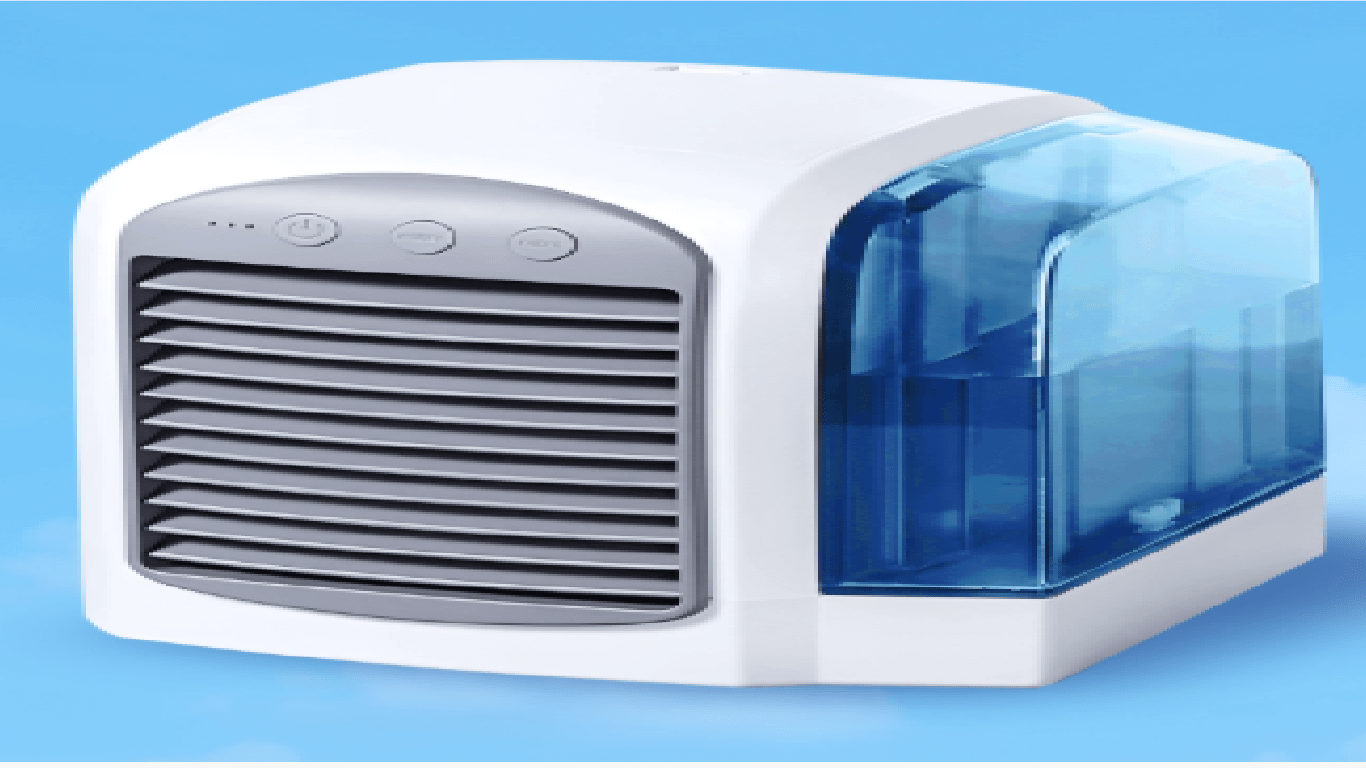
At its core, the Breeze Box is marketed as a multi-functional device that serves as an air cooler, humidifier, fan, and air purifier simultaneously. This four-in-one approach appeals to consumers seeking versatile solutions for their cooling needs. The device’s compact design makes it suitable for desks, bedside tables, and small personal spaces where traditional cooling solutions would be impractical or overly expensive.
The marketing emphasises several key benefits that have attracted thousands of potential customers worldwide. Energy efficiency tops the list, with claims that the device consumes significantly less power than conventional air conditioning units. Portability is another major selling point, allowing users to take their personal cooling solution wherever they go. Perhaps most appealing to many consumers is the promise of hassle-free operation without complex installation procedures, making it accessible to renters and those in temporary living situations.
The device targets individuals living in small spaces, students in dormitories, office workers seeking personal comfort, and anyone looking for an eco-friendly alternative to traditional cooling methods. Its USB-powered operation means it can function with laptops, power banks, or standard wall adapters, adding to its versatility and appeal in our increasingly mobile world.
How Breeze Box Works: The Technology Behind the Claims
Understanding the Breeze Box’s functionality requires examining the evaporative cooling technology that forms its foundation. This ancient cooling principle, used in various forms throughout history, relies on the natural process of water evaporation to reduce air temperature. The Breeze Box modernises this concept through a compact, engineered system designed for personal use.
The device’s core mechanism centres around a water-soaked cooling cartridge that serves as the primary cooling medium. When warm air is drawn into the unit by an internal fan, it passes through this saturated cooling pad. As the air moves through the water-dampened material, evaporation occurs, which naturally absorbs heat energy from the air stream. This process simultaneously cools the air and adds beneficial moisture, creating a more comfortable microenvironment.
Unlike traditional air conditioning systems that remove humidity from the air, the Breeze Box actually increases moisture content. This characteristic can be particularly beneficial in dry climates or air-conditioned environments where low humidity levels cause discomfort, dry skin, and respiratory irritation. The added moisture can help maintain optimal humidity levels for human comfort, typically between 40-60%.
The device incorporates a multi-stage filtration system designed to improve air quality as it cools. The filter component aims to trap dust particles, pollen, and other airborne allergens, potentially providing relief for individuals with mild sensitivities. However, it’s important to note that this filtration system is not comparable to medical-grade air purifiers and should not be relied upon for serious air quality concerns or severe allergies.
Consumer Experience: What Users Are Saying
Analysing genuine consumer feedback reveals a complex picture of the Breeze Box’s real-world performance. Verified reviews from authenticated purchasers show an impressive average rating of approximately 4.95 out of 5 stars, suggesting high levels of customer satisfaction. However, this seemingly overwhelmingly positive response requires careful examination to understand the full context of user experiences.
Many satisfied customers consistently praise the device’s convenience and portability features. Users frequently mention the ability to move their cooling solution from room to room, take it to work, or use it while travelling. The quiet operation is another standout feature, with numerous reviews highlighting how the device provides cooling relief without the disruptive noise associated with traditional fans or air conditioning units. This makes it particularly popular for bedroom use and office environments where noise levels matter.
The instant cooling effect in small, confined spaces receives significant positive feedback. Users report noticeable temperature drops within minutes of operation, particularly effective in personal spaces such as desk areas, small bedrooms, or individual workstations. The humidifying effect is often mentioned as an unexpected benefit, with users in dry climates or heated indoor environments appreciating the added moisture.
However, realistic users acknowledge the device’s limitations while still expressing satisfaction. Many reviews include honest assessments that the Breeze Box cannot replace traditional air conditioning for whole-room cooling but provides valuable personal comfort. The ease of setup consistently receives praise, with users appreciating the simple process of filling the water reservoir, connecting the USB power source, and immediately enjoying cooler air. This plug-and-play functionality appeals particularly to those who struggle with complex electronic devices or installation procedures.
The Catch: Common Complaints and Limitations
Despite positive reviews, several consistent limitations emerge from comprehensive user feedback analysis. The most significant constraint involves the device’s cooling capacity, which is fundamentally limited to small, personal spaces. Users attempting to cool rooms larger than 100-150 square feet report minimal to no noticeable effect. This limitation stems from the basic physics of evaporative cooling, which cannot match the powerful heat removal capabilities of refrigeration-based air conditioning systems.
Water management presents ongoing challenges for many users. The device requires frequent refills to maintain optimal performance, with most users needing to replenish the water reservoir every 6-8 hours of continuous operation. This maintenance requirement can be inconvenient, particularly for users seeking a set-and-forget cooling solution. Additionally, the cooling effect diminishes significantly as water levels drop, requiring vigilant monitoring for consistent performance.
The cooling intensity often fails to meet expectations formed by marketing materials. While the device does produce noticeably cooler air, the temperature reduction is typically modest compared to conventional air conditioning. Users in extremely hot climates or those accustomed to powerful cooling may find the relief insufficient for their comfort needs. The effectiveness also varies significantly based on ambient humidity levels, with the device performing poorly in already humid environments where evaporation rates naturally decrease.
Maintenance requirements extend beyond simple water refilling. The cooling cartridge requires regular cleaning to prevent mineral buildup from hard water, and replacement filters need periodic changing to maintain air quality benefits. Users report that neglecting these maintenance tasks leads to reduced performance, unpleasant odours, and potential hygiene concerns. The quality of water used significantly impacts performance and longevity, with distilled water recommended but not always convenient or cost-effective for regular use.
Chapter 2: The Alarming Concerns You Must Know
This chapter addresses critical safety and legitimacy concerns that have emerged regarding Breeze Box sales and distribution. Recent investigations have uncovered several alarming issues that potential buyers must understand before making any purchase decisions. These concerns range from website authenticity problems to potential health and safety risks associated with counterfeit products.
The online marketplace for Breeze Box devices has become increasingly complicated, with numerous websites claiming to offer genuine products at various price points. However, cybersecurity experts and consumer protection agencies have identified several red flags that suggest widespread fraudulent activity. These concerns are not merely theoretical risks but represent real threats to consumers’ financial security and personal safety.
Consumer protection agencies across multiple countries have begun investigating complaints related to Breeze Box purchases, with patterns emerging that suggest systematic issues rather than isolated incidents. The scope of these concerns extends beyond simple product dissatisfaction to encompass potential fraud, identity theft, and sale of unsafe counterfeit devices that could pose health risks to users.
Understanding these risks is essential for anyone considering a Breeze Box purchase. The following sections detail specific concerns that have been documented by cybersecurity experts, consumer protection agencies, and verified victim reports. This information aims to protect potential buyers from financial loss and potential safety hazards while providing guidance for safe purchasing decisions.
Scam and Safety Warnings: Is buy-breezebox.com Legit?
Cybersecurity analysis of the primary Breeze Box sales website, buy-breezebox.com, reveals multiple serious red flags that indicate potential fraudulent activity. ScamAdviser, a respected website authenticity verification service, has assigned this domain an extremely low trust score, placing it in the high-risk category for potential scam operations. This assessment is based on multiple technical and operational factors that cybersecurity experts use to identify fraudulent websites.
Technical analysis reveals that the website is remarkably young, having been registered very recently without establishing the operational history that legitimate businesses typically demonstrate. More concerning is the absence of proper SSL security certification, which means that any personal or financial information transmitted to the site may not be adequately protected from interception by malicious third parties. This security vulnerability alone should be sufficient to deter any potential customers from providing sensitive information.
Infrastructure analysis shows that buy-breezebox.com shares server space with numerous other websites that have been flagged for suspicious activity. This hosting arrangement is common among fraudulent operations that create multiple similar websites to maximize their reach while minimising operational costs. Legitimate businesses typically invest in dedicated or premium hosting services to ensure reliability and security for their customers.
Perhaps most alarming is the complete absence of verified consumer reviews on independent platforms like ScamAdviser. Legitimate products and websites typically accumulate authentic reviews over time as customers share their experiences. The lack of any verifiable customer feedback, combined with the technical red flags, suggests that the website may be designed to collect payment and personal information without delivering products. Cybersecurity experts strongly advise extreme caution and recommend avoiding this website entirely until its legitimacy can be independently verified through reliable sources.
Beware of Fake or Counterfeit Products
The popularity and marketing success of the Breeze Box have unfortunately attracted criminal organisations specialising in counterfeit electronics. These fraudulent operators create superficially similar devices that mimic the appearance and marketing claims of genuine products while using substandard components, inadequate safety measures, and manufacturing processes that prioritise profit over consumer safety. The proliferation of these counterfeit units represents a significant threat to unsuspecting consumers seeking legitimate cooling solutions.
Counterfeit Breeze Box devices typically lack essential safety certifications required for electronic devices in most countries. Genuine electronic products must undergo rigorous testing to ensure they meet electrical safety standards, electromagnetic compatibility requirements, and material safety regulations. Counterfeit devices bypass these crucial safety measures, potentially creating fire hazards, electrical shock risks, or toxic material exposure. The absence of proper certifications also means that insurance may not cover damages caused by these unauthorised devices.
The quality of filtration systems in counterfeit units is particularly concerning from a health perspective. Legitimate air purification components undergo testing to ensure they effectively capture pollutants without releasing harmful particles. Counterfeit filters may use inappropriate materials that could release toxic substances into the air, defeating the health benefits that users seek. Some counterfeit units lack filtration systems entirely, despite marketing claims suggesting air purification capabilities.
Purchasing from unverified sellers, particularly on auction sites, social media marketplaces, or unknown websites, significantly increases the risk of receiving counterfeit products. These sellers often use stock photos of genuine products while shipping inferior imitations. Beyond the immediate financial loss, counterfeit devices may pose serious health and safety hazards to users and their families. Consumer protection agencies recommend purchasing only from authorised retailers with verifiable credentials and comprehensive return policies that protect against counterfeit products.
Price vs. Performance: Is It Worth Your Money?
Evaluating the Breeze Box’s value proposition requires careful analysis of its pricing structure, performance capabilities, and long-term ownership costs. Official pricing for genuine Breeze Box units appears competitive within the personal cooling device market, typically ranging from moderate to premium pricing depending on included accessories and warranty coverage. However, this initial cost represents only part of the total ownership equation that consumers must consider.
Comparative analysis with alternative cooling solutions reveals interesting insights about the device’s market positioning. Traditional desktop fans cost significantly less but provide only air circulation without cooling or humidification benefits. Basic evaporative coolers offer similar functionality but often at lower prices with larger cooling capacities. However, these alternatives typically lack the Breeze Box’s portability and USB power convenience, which may justify the price premium for specific use cases.
Several users report discovering cheaper alternatives or creating DIY cooling solutions that outperform the Breeze Box in their specific situations. Simple combinations of fans with ice packs, larger evaporative coolers, or strategic window ventilation sometimes provide superior cooling at lower costs. However, these alternatives often require more setup time, lack portability, or need constant attention, factors that may offset their cost advantages for busy users seeking convenience.
Long-term ownership costs extend beyond the initial purchase price and include replacement filters, distilled water consumption, and electricity usage. While individual costs are modest, they accumulate over time and should factor into value calculations. Additionally, the device’s lifespan and replacement part availability affect long-term value, with limited information available about the manufacturer’s long-term support commitments. Users should consider these ongoing expenses when comparing the Breeze Box to one-time purchase alternatives like quality fans or more substantial cooling investments like window air conditioners.
Buy Now CLick Here
Health and Safety Considerations
The health implications of using evaporative cooling devices like the Breeze Box require careful consideration, particularly regarding respiratory health and indoor air quality. While the device’s humidifying function can benefit users in dry environments, improper maintenance creates conditions that may harbour harmful microorganisms. Stagnant water in cooling systems provides ideal breeding grounds for bacteria, mould, and other pathogens that can become airborne and potentially cause respiratory infections or allergic reactions.
Maintenance protocols are crucial for preventing health hazards associated with water-based cooling systems. Users must regularly clean all water-contact surfaces, replace water frequently, and ensure proper drying between uses to prevent microbial growth. The cooling cartridge requires particular attention, as its constantly moist environment can quickly develop biofilms containing harmful bacteria. Failure to maintain these hygiene standards can transform a beneficial cooling device into a source of indoor air contamination.
Individuals with pre-existing respiratory conditions, including asthma, allergies, or immune system compromises, should consult with healthcare providers before using evaporative cooling devices. The increased humidity and potential for airborne contaminants may exacerbate certain conditions, particularly in users sensitive to mould spores or bacterial particles. Healthcare providers can assess individual risk factors and provide personalised guidance about safe usage practices.
Current regulatory oversight of personal cooling devices remains limited, with no specific medical device classifications or safety recalls issued for the Breeze Box as of July 2025. However, this absence of regulatory action does not guarantee safety, particularly given the device’s recent market introduction. Users should remain vigilant about potential health effects and report any adverse reactions to appropriate health authorities. Consumer safety agencies continue monitoring emerging issues with new electronic devices, and users should stay informed about any future safety advisories or recalls that may be issued.
Chapter 3: Breeze Box vs. Other Cooling Solutions
Understanding the Breeze Box’s position within the broader cooling solutions market requires comprehensive comparison with established alternatives. Each cooling technology offers distinct advantages and limitations that suit different user needs, budgets, and environmental conditions. This analysis helps potential buyers make informed decisions based on their specific circumstances rather than marketing claims alone.
The personal cooling device market has expanded significantly in recent years, driven by increasing energy costs, climate change concerns, and changing work patterns that emphasise individual comfort solutions. Traditional air conditioning remains the gold standard for powerful cooling, but environmental concerns and installation limitations have created demand for alternative solutions. Portable and personal cooling devices occupy an increasingly important niche for users seeking targeted comfort without whole-house cooling expenses.
Energy efficiency considerations play a crucial role in cooling solution selection. With rising electricity costs and environmental awareness, many consumers prioritise devices that provide adequate comfort while minimising energy consumption. However, efficiency must be balanced against effectiveness, as inadequate cooling may lead users to supplement with additional devices, ultimately increasing total energy usage.
The following sections examine major cooling solution categories, comparing their performance characteristics, cost implications, and suitability for different use cases. This analysis provides the context necessary for evaluating whether the Breeze Box offers genuine value compared to established alternatives or represents a marketing-driven solution to problems better addressed by proven technologies.
Traditional Air Conditioners
Traditional air conditioning systems represent the most powerful and effective cooling technology available to consumers, utilising refrigeration cycles to actively remove heat from indoor spaces. These systems can rapidly cool large areas regardless of outdoor humidity levels, providing consistent temperature control that evaporative devices cannot match. Modern air conditioners offer precise temperature regulation, programmable scheduling, and integration with smart home systems for optimal comfort and efficiency.
The cooling capacity of traditional air conditioners far exceeds any portable personal cooling device. A small window unit can effectively cool rooms of 300-500 square feet, while central air systems can maintain comfortable temperatures throughout entire homes. This powerful cooling capability makes traditional air conditioning the preferred solution for climates with extreme temperatures or for users requiring comprehensive comfort control.
However, traditional air conditioning systems present significant drawbacks that drive interest in alternatives like the Breeze Box. Installation requirements often involve professional services, permanent mounting, and electrical modifications that may not be feasible for renters or temporary living situations. Initial costs can be substantial, particularly for central air systems, and ongoing electricity consumption represents a major household expense in hot climates.
The dehumidification effect of traditional air conditioning, while beneficial for controlling humidity in humid climates, can create uncomfortably dry conditions in arid environments or during winter heating seasons. This moisture removal can cause dry skin, respiratory irritation, and static electricity problems. Additionally, the environmental impact of refrigerant chemicals and high energy consumption makes traditional air conditioning less appealing to environmentally conscious consumers, creating market demand for more sustainable cooling alternatives.
Portable Evaporative Coolers
Portable evaporative coolers, also known as swamp coolers, employ the same basic cooling principle as the Breeze Box but typically offer greater cooling capacity and coverage area. These larger units can effectively cool spaces of 200-400 square feet, making them suitable for small apartments, single rooms, or workshop areas. Their increased size allows for larger water reservoirs, more powerful fans, and more extensive cooling pad surfaces that enhance overall cooling effectiveness.
The performance advantages of larger evaporative coolers stem from their ability to move greater volumes of air through more substantial cooling media. Industrial-grade cooling pads, larger water circulation systems, and more powerful fans create more significant temperature reductions than compact personal devices. Many units include adjustable louvers, oscillating functions, and variable speed controls that allow users to customise air distribution patterns for optimal comfort.
However, these performance benefits come with notable trade-offs that may favour compact alternatives like the Breeze Box in certain situations. Larger evaporative coolers require adequate ventilation to function effectively, typically necessitating open windows or doors to allow humid air to escape. This ventilation requirement can compromise security, allow insects entry, or conflict with other climate control systems in the building.
Maintenance requirements for larger evaporative coolers are more substantial than personal devices. The increased water capacity and cooling pad size mean more frequent cleaning, greater water consumption, and more complex maintenance procedures. Storage during off-seasons can be challenging due to size, and the units’ fixed location limits flexibility compared to highly portable personal cooling devices. Additionally, the higher power consumption and initial cost may not be justified for users seeking only personal comfort rather than room-wide cooling.
Fans and Humidifiers
Combining traditional fans with separate humidifiers represents a straightforward approach to achieving some benefits that integrated devices like the Breeze Box promise. Desktop fans provide immediate air circulation that creates cooling sensations through increased evaporation from skin surfaces, while humidifiers can independently address dry air conditions that cause discomfort in air-conditioned or heated environments.
The primary advantage of separate devices lies in their specialisation and proven reliability. Quality fans excel at air movement with minimal energy consumption and maintenance requirements. Similarly, dedicated humidifiers can precisely control moisture levels with features like automatic shut-off, humidity sensors, and large water capacities that reduce refilling frequency. This specialisation often results in superior performance in each function compared to multi-purpose devices that compromise individual capabilities.
Cost considerations favour the separate device approach for budget-conscious consumers. Basic fans cost significantly less than multi-function cooling devices, and essential humidifiers are available at various price points to suit different budgets. Replacement parts and repairs are typically more straightforward and less expensive for single-purpose devices, and users can upgrade individual components without replacing the entire system.
However, the separate device approach requires more space, additional power outlets, and coordinated operation that may be less convenient than integrated solutions. Users must manually balance fan speed and humidity levels to achieve optimal comfort, and the aesthetic impact of multiple devices may be less appealing than sleek, integrated units. Additionally, the combined power consumption of separate devices may exceed that of efficient integrated units, potentially offsetting initial cost savings through higher electricity bills over time.
DIY and Alternative Solutions
Creative consumers have developed numerous do-it-yourself cooling solutions that often provide superior performance to commercial personal cooling devices at fraction of the cost. Simple ice-based cooling systems, using fans directed over ice-filled containers, can produce dramatic temperature reductions in immediate vicinity. These homemade systems often outperform compact commercial units while requiring only basic materials and minimal investment.
Frozen water bottles, wet towels, and strategic positioning of reflective materials represent low-tech approaches that many users find surprisingly effective. The thermal mass of ice provides extended cooling duration, while wet evaporation surfaces can create significant temperature drops when combined with fan circulation. These methods appeal particularly to users seeking temporary cooling solutions or those with limited budgets who cannot justify commercial device purchases.
Natural ventilation techniques, including strategic window opening, cross-ventilation creation, and thermal chimney effects, can provide substantial cooling without any energy consumption. Understanding building orientation, prevailing wind patterns, and thermal dynamics allows users to create comfortable environments using only natural forces. These techniques require no equipment purchases or ongoing operational costs while providing effective cooling in appropriate climates.
However, DIY solutions typically require more attention, setup time, and ongoing maintenance than commercial devices. Ice-based systems need regular replenishment, wet materials require frequent rewetting, and natural ventilation depends on favourable weather conditions. Safety considerations may also apply to homemade electrical modifications or improvised cooling systems. While cost-effective and often highly effective, these alternatives may not suit users seeking convenient, set-and-forget cooling solutions that commercial devices promise to provide.
Chapter 4: What You Should Do Before Ordering
Making an informed decision about purchasing a Breeze Box requires systematic research and careful evaluation of multiple factors beyond initial marketing appeal. The complexity of the current marketplace, with legitimate products, counterfeit devices, and fraudulent sellers operating simultaneously, demands that consumers adopt rigorous verification processes to protect their interests and safety.
The decision-making process should begin well before considering specific retailers or pricing options. Understanding your actual cooling needs, available alternatives, and realistic performance expectations provides the foundation for evaluating whether any personal cooling device, including the Breeze Box, represents a sound investment for your specific situation.
Consumer protection agencies recommend developing a systematic approach to evaluating new electronic products, particularly those marketed primarily through online channels. This systematic approach helps identify potential red flags early in the research process while ensuring that legitimate products receive fair consideration based on verified information rather than marketing claims or unsubstantiated reviews.
The following sections outline specific steps that potential buyers should complete before making any purchase decision. These recommendations reflect best practices developed by consumer protection experts, cybersecurity professionals, and experienced online shoppers who have successfully navigated similar purchasing decisions while avoiding common pitfalls that trap unwary consumers.
Verify Seller Authenticity
Establishing seller legitimacy represents the most critical step in safely purchasing a Breeze Box or any high-demand electronic device. Legitimate retailers maintain verifiable business credentials, including registered business addresses, customer service contact information, and established track records that can be independently confirmed through business registration databases and consumer protection agencies.
Official manufacturer websites typically provide lists of authorised retailers and distributors, offering the most reliable path to genuine products. These authorised sellers have established relationships with manufacturers, ensuring access to authentic products, valid warranties, and appropriate customer support. Purchasing through authorised channels also provides recourse through manufacturer customer service if problems arise with the retailer.
Independent verification of seller credentials should include checking business registration records, Better Business Bureau ratings, and consumer complaint databases. Legitimate businesses typically maintain consistent contact information across multiple platforms and respond promptly to customer inquiries. Be suspicious of sellers who provide only email contact methods, use free email services for business communication, or fail to provide verifiable physical addresses.
Avoid any website flagged by scam detection services such as ScamAdviser, Trustpilot’s risk assessment tools, or browser security warnings. These services aggregate multiple risk factors including website age, security certificates, hosting patterns, and user reports to identify potentially fraudulent sites. Even if a flagged site offers attractive pricing, the risks of financial loss, identity theft, or counterfeit products far outweigh potential savings. When in doubt, choose established retailers with proven track records, even if pricing is slightly higher than questionable alternatives.
Read Multiple Reviews
Comprehensive review analysis requires examining feedback from multiple independent sources to develop a balanced understanding of product performance and potential issues. Relying on reviews from a single platform or source provides an incomplete picture that may be skewed by fake reviews, platform-specific biases, or limited user demographics that don’t represent your specific use case.
Verified buyer reviews on established platforms like Amazon, eBay, or specialty electronics retailers provide more reliable insights than unverified testimonials on manufacturer websites or promotional materials. Look for reviews that include specific details about usage scenarios, performance characteristics, and long-term experiences rather than generic praise or complaints. Detailed reviews often indicate genuine user experiences and provide valuable insights about real-world performance.
Be particularly cautious of review patterns that suggest artificial manipulation. Legitimate products typically receive a range of ratings reflecting diverse user experiences and expectations. Suspicious patterns include overwhelming numbers of five-star reviews with generic language, reviews posted in clusters over short time periods, or reviews that focus on shipping and customer service rather than product performance. These patterns often indicate coordinated fake review campaigns designed to mislead potential buyers.
Independent review websites, technology blogs, and consumer testing organisations provide professional evaluations that complement user reviews. These sources typically employ standardised testing procedures and compare products against alternatives, offering objective performance assessments. YouTube reviews from established channels can provide visual demonstrations of actual performance, though viewers should be aware that some reviewers receive free products or compensation that may influence their assessments. Cross-referencing multiple professional and user review sources provides the most comprehensive foundation for purchase decisions.
Understand Your Needs
Realistic assessment of your cooling requirements prevents disappointment and ensures that any cooling solution you choose will actually address your specific comfort needs. Room size represents the most fundamental consideration, as evaporative cooling devices have physical limitations that cannot be overcome regardless of marketing claims. Measuring your intended cooling area and honestly evaluating whether a personal cooling device can provide adequate coverage prevents unrealistic expectations.
Climate conditions significantly impact evaporative cooling effectiveness, with dry climates providing optimal performance while humid environments may see minimal benefit. Understanding your local humidity levels, seasonal variations, and indoor air conditions helps predict whether evaporative cooling will provide meaningful comfort improvement. Users in consistently humid climates may find that traditional fans or air conditioning provide better value than evaporative devices.
Lifestyle factors including mobility needs, noise tolerance, and maintenance preferences should influence cooling solution selection. If you frequently move between locations, portability may justify the performance limitations of compact devices. However, if you primarily need cooling in a fixed location, larger and more powerful alternatives may provide better value despite reduced portability.
Budget considerations should encompass total ownership costs rather than just initial purchase price. Calculate ongoing expenses including replacement filters, water costs, electricity consumption, and potential replacement needs to understand the true cost of ownership. Compare these total costs against alternatives like quality fans, larger evaporative coolers, or energy-efficient air conditioning to determine which solution provides the best value for your specific situation and budget constraints.
Check Return Policies and Warranty
Comprehensive return and warranty protection provides essential safeguards against product disappointment, defective units, or fraudulent sellers. Legitimate retailers typically offer generous return windows, clear return procedures, and transparent policies that protect customer interests. These protections become particularly important for online purchases where you cannot physically examine products before buying.
Return policies should specify acceptable return conditions, time limits, and responsibility for return shipping costs. The most customer-friendly policies allow returns for any reason within 30-60 days, with sellers covering return shipping costs. Be wary of sellers who require restocking fees, limit returns to defective products only, or provide vague return procedures that may be difficult to navigate if problems arise.
Warranty coverage should include both manufacturer warranties for product defects and retailer guarantees for customer satisfaction. Understand what components are covered, warranty duration, and procedures for warranty claims. Legitimate warranties typically cover materials and workmanship defects while excluding damage from misuse or normal wear. Comprehensive warranties demonstrate manufacturer confidence in product quality and provide recourse if problems develop during normal use.
Customer support accessibility and responsiveness indicate retailer commitment to customer satisfaction. Test customer service channels before purchasing by asking questions about product specifications, shipping times, or return procedures. Legitimate retailers typically respond promptly with knowledgeable staff who can address specific concerns. Avoid sellers who provide only automated responses, demonstrate poor English communication skills, or fail to respond to pre-purchase inquiries, as these patterns often indicate overseas scam operations with minimal customer support capabilities. Quality customer support becomes invaluable if problems arise after purchase, making this evaluation an essential component of seller verification.