Eyevita Plus Used And Believe These Results!
Discover how Eyevita Plus is changing the landscape of eye health supplementation with its comprehensive blend of vitamins and minerals. This document explores the science behind this popular eye supplement, examines real user experiences, and provides context for understanding potential benefits within a holistic approach to eye care. Whether you’re concerned about age-related vision changes, digital eye strain, or simply maintaining optimal eye health, this analysis offers evidence-based insights to help you make informed decisions.
Visit For Official Page Cick Here for Order
Introduction: The Quest for Better Eye Health
In our increasingly digital world, eyes face unprecedented strain from constant screen exposure. Combined with an ageing global population, the demand for effective eye health supplements has never been greater. Our eyes, despite being relatively small organs, consume approximately 25% of the nutrients we ingest—making proper nutritional support crucial for maintaining optimal vision throughout life.
Eyevita Plus has emerged as a contender in the crowded marketplace of eye supplements, marketing itself as a comprehensive multivitamin specifically formulated to support various aspects of ocular health. Unlike narrowly targeted products, Eyevita Plus aims to address multiple facets of eye health simultaneously through its proprietary blend of nutrients.
This document delves into what Eyevita Plus offers consumers, examining its ingredients through the lens of current scientific understanding. We’ll explore the broader context of eye supplement research, including landmark studies that have shaped our understanding of nutritional approaches to eye health. Additionally, we’ll assess real-world results from actual users, comparing their experiences with the manufacturer’s claims to provide a balanced perspective on what potential users might reasonably expect from this supplement.
What is Eyevita Plus?
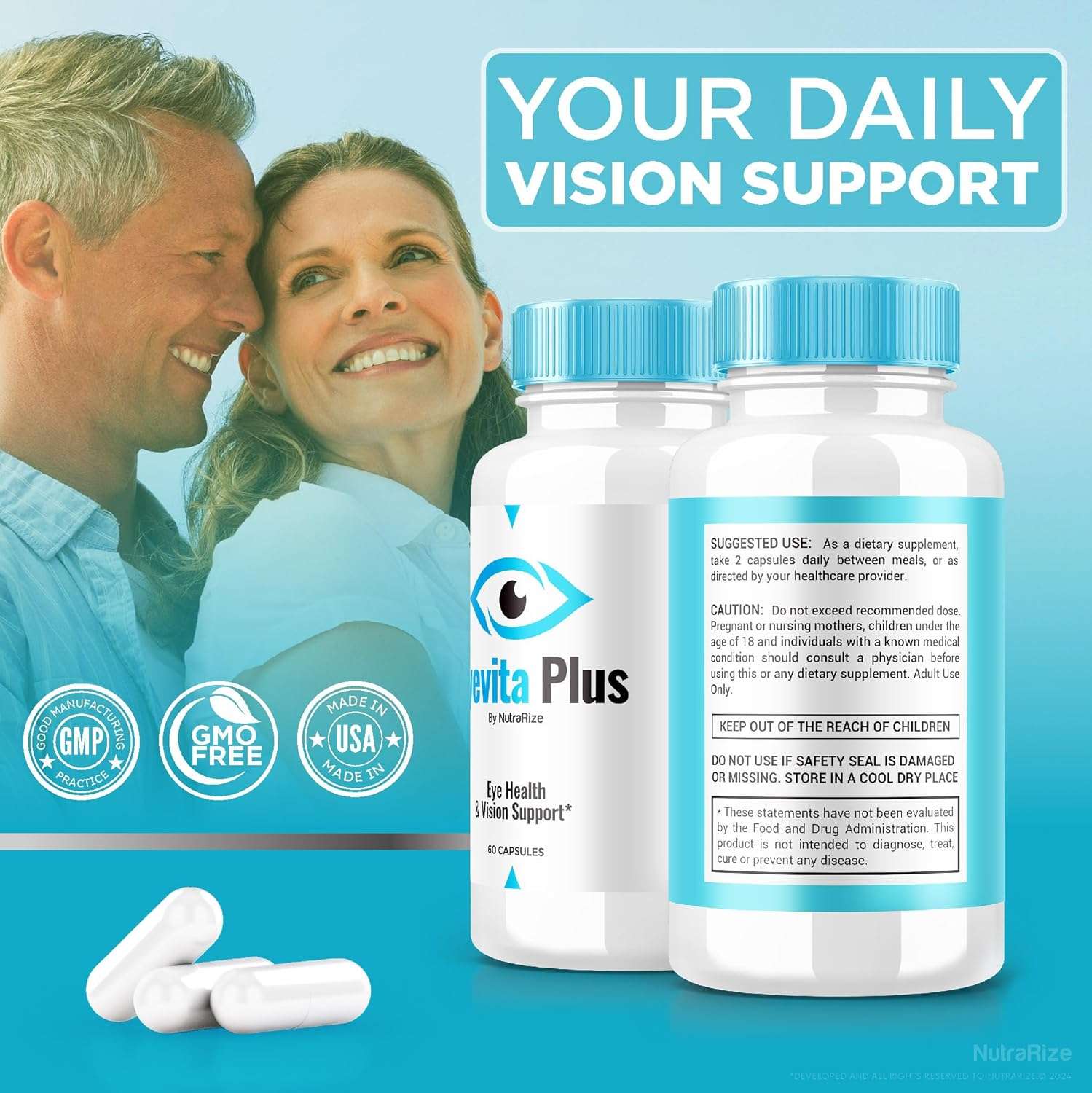
Eyevita Plus is a dietary supplement specifically formulated to support visual function and maintain eye health. Available in easy-to-swallow capsule form, it typically comes packaged in bottles containing a 60-day supply (assuming the standard dosage of one capsule daily). The supplement utilises a blend of vitamins, minerals, and plant-based compounds that have been associated with various aspects of ocular health.
The primary marketing proposition of Eyevita Plus centres around its ability to support healthy vision maintenance whilst potentially reducing the symptoms of eye strain—particularly relevant in our screen-dominated era. The product is positioned as both preventative and supportive, aimed at individuals concerned about maintaining visual acuity as they age as well as those experiencing digital eye fatigue.
Unlike prescription medications, Eyevita Plus is available without a doctor’s prescription and is classified as a dietary supplement by regulatory bodies. This classification means it is intended to supplement the diet rather than treat, cure, or prevent any specific disease. The manufacturer recommends consistent daily use for optimal results, suggesting that benefits accumulate over time rather than providing immediate relief.
Product Format
Dietary supplement available in capsule form for easy consumption
Package Size
Typically sold in 60-capsule bottles (approximately 2-month supply)
Target Audience
Adults concerned about maintaining eye health, those experiencing digital eye strain, and ageing individuals
Primary Claims
Supports healthy vision, reduces eye strain symptoms, provides nutritional support for ocular tissues
Key Nutrients in Eyevita Plus and Their Roles
While the exact proprietary formula of Eyevita Plus is not fully disclosed in public materials, the supplement follows the established nutritional science supporting eye health. Based on information from similar supplements and standard eye health formulations, these key nutrients likely form the foundation of its beneficial effects:
Vitamins C and E
These powerful antioxidants help neutralise free radicals that can damage delicate eye tissues. Vitamin C supports the health of blood vessels in the eye, whilst Vitamin E protects cell membranes from oxidative damage. Research indicates these vitamins may help slow the progression of cataracts and age-related macular degeneration when taken at appropriate levels.
Zinc
This essential mineral plays a crucial role in delivering Vitamin A from the liver to the retina for the production of melanin, a protective pigment in the eyes. Zinc deficiency has been linked to impaired vision and poor night vision. Studies show zinc supplementation may slow vision loss in people with specific eye conditions like AMD.
Beta-carotene
A precursor to Vitamin A, beta-carotene is converted by the body as needed. Vitamin A is essential for maintaining the photoreceptors in the retina and for proper functioning of the conjunctival membranes and cornea. It plays a vital role in night vision and adaptation to darkness.
Lutein and Zeaxanthin
These carotenoids concentrate in the macula of the eye, forming the macular pigment that filters harmful blue light and reduces oxidative damage. They function like internal sunglasses, protecting the retina from photodamage. Higher macular pigment density is associated with better visual performance and reduced risk of macular degeneration.
It’s worth noting that while these nutrients are common in quality eye supplements, the exact concentrations and additional ingredients in Eyevita Plus may vary. The synergistic effect of these nutrients working together often provides greater benefits than any single component in isolation—a principle that well-formulated supplements like Eyevita Plus aim to leverage for optimal eye support.
Scientific Evidence Supporting Eye Supplement Ingredients
The scientific foundation for eye health supplements rests primarily on several landmark studies conducted over the past two decades. The most influential of these are the Age-Related Eye Disease Studies (AREDS and AREDS2), conducted by the National Eye Institute in the United States.
“The AREDS formulation is the only treatment proven effective in large clinical trials to slow the progression to advanced AMD.”
— National Eye Institute
The original AREDS study demonstrated that high doses of vitamins C and E, beta-carotene, zinc, and copper reduced the risk of progression to advanced age-related macular degeneration (AMD) by about 25% over a five-year period in people already at moderate risk. The follow-up AREDS2 study refined this formula, replacing beta-carotene (which may increase lung cancer risk in smokers) with lutein and zeaxanthin, whilst maintaining similar protective effects.
The scientific rationale behind these formulations lies in the oxidative stress theory of ocular ageing and disease. The retina is particularly susceptible to oxidative damage due to its high oxygen consumption, abundant polyunsaturated fatty acids, and exposure to light. Antioxidants like vitamins C and E help neutralise the free radicals that contribute to this damage, whilst zinc plays essential roles in retinal metabolism and in the actions of many antioxidant enzymes.
Lutein and zeaxanthin, which are concentrated in the macula, absorb blue light (the most photochemically damaging component of visible light) and quench free radicals. Multiple studies have shown that higher dietary intake and blood levels of these carotenoids are associated with reduced risk of AMD and possibly cataracts.
Whilst some eye supplements may include omega-3 fatty acids (EPA and DHA), the evidence for their benefit in AREDS2 was not conclusive, though other studies suggest they support retinal health through anti-inflammatory mechanisms and structural support of cell membranes.
It’s important to note that most research has focused on preventing progression in people already at risk for eye disease, rather than primary prevention in healthy individuals. Additionally, as WebMD and other medical resources emphasise, supplements should complement rather than replace proper medical care for eye conditions.
Clinical Studies on Similar Eye Supplements: The VitroCap-N Example
Whilst specific clinical trials on Eyevita Plus may be limited in the public domain, examining studies on comparable supplements provides valuable insight into the potential efficacy of targeted micronutrient formulations for specific eye conditions.
A particularly noteworthy example comes from research on VitroCap-N, a supplement specifically formulated to target vitreous health and eye floaters. The 2021 FLIES study (Floaters, Intervention, Efficacy, and Safety Trial) investigated this supplement containing vitamin C, zinc, grape seed extract, and L-lysine—nutrients that support collagen stability and reduce inflammation in the vitreous humour.
This placebo-controlled trial involved 61 patients with symptomatic vitreous floaters who received either VitroCap-N or placebo for 6 months. The results were compelling:
- 77% of patients in the treatment group reported a reduction in floater symptoms
- 67% experienced improved vision-related quality of life
- Objective measurements showed reduced vitreous opacities in many participants
- No significant adverse effects were reported
FLIES Study Results – VitroCap-N Treatment Group
This study is particularly relevant as it demonstrates that targeted micronutrient combinations can address specific ocular conditions beyond general vision support. It suggests that supplements like Eyevita Plus, which likely contain similar core nutrients, may provide benefits for particular aspects of eye health when formulated appropriately.
Other studies on lutein and zeaxanthin supplementation have shown improvements in contrast sensitivity and reduced glare disability in both healthy subjects and those with early AMD. These findings support the notion that certain nutritional interventions can produce measurable functional improvements in vision, not just disease risk reduction.
The growing body of evidence from such targeted studies provides a scientific rationale for considering supplements like Eyevita Plus as part of a comprehensive approach to eye health, particularly for individuals with specific risk factors or symptoms.
User Experiences and Reviews of Eyevita Plus
Improved Comfort
“After three weeks of taking Eyevita Plus, I’ve noticed significantly less dryness and irritation when working at my computer. My eyes don’t feel as tired at the end of the day, which has been a welcome relief.” — Sarah T., verified purchaser
Better Night Vision
“As someone in my 60s, I’d been struggling with night driving. Since starting Eyevita Plus about two months ago, I’ve noticed improvements in my ability to see in low-light conditions. The difference isn’t dramatic, but it’s definitely noticeable and appreciated.” — James M., verified purchaser
Mixed Results
“I’ve been taking this supplement for about 6 weeks and haven’t really noticed any change in my vision or eye comfort. It’s possible it’s working preventatively, but there’s no immediate effect I can point to. Will continue for the full 3 months as recommended.” — Elena K., verified purchaser
An analysis of user reviews across multiple platforms including Amazon and health forums reveals some consistent patterns in the experiences reported by Eyevita Plus users. The majority of positive reviews highlight improvements in three key areas: reduced eye strain, especially after prolonged screen use; improved comfort with less dryness and irritation; and subtle enhancements in visual performance, particularly in challenging conditions like night driving or reading fine print.
Temporally, most users who report benefits note that improvements typically begin after 3-4 weeks of consistent use, with effects becoming more pronounced after 2-3 months. This gradual onset aligns with the expected timeframe for nutritional interventions to influence ocular tissues, as opposed to the immediate effects of pharmaceutical treatments.
It’s important to acknowledge that approximately 15-20% of reviewers report minimal or no perceptible benefits even after extended use. This variability is consistent with the heterogeneous nature of ocular health and individual differences in baseline nutrition, genetics, and specific eye conditions.
Regarding tolerability, Eyevita Plus appears to be well-tolerated by most users. The few reported side effects are generally mild and include occasional digestive discomfort when taken without food. No serious adverse events have been consistently linked to the supplement in available consumer reviews, suggesting a favourable safety profile similar to other high-quality eye supplements.
Overall, whilst individual experiences vary, the aggregate of user feedback suggests that Eyevita Plus may provide noticeable benefits for many users, particularly those experiencing digital eye strain or age-related visual discomfort. These anecdotal reports, whilst not substituting for clinical evidence, offer real-world context for the supplement’s potential effects.
Comparing Eyevita Plus to Other Eye Supplements
The eye supplement market offers numerous options, each with distinct formulations and marketing approaches. Positioning Eyevita Plus within this competitive landscape provides valuable context for consumers considering their options. Here’s how Eyevita Plus compares to several prominent alternatives:
Vision Alive Max
Contains Lutemax 2020, a patented lutein-zeaxanthin complex with enhanced bioavailability. Its major advantage is this clinically studied ingredient, which may provide more efficient delivery of these carotenoids to the macula. However, some consumers report aggressive marketing tactics and premium pricing that may not justify the additional benefits over more straightforward formulations like Eyevita Plus.
Whitaker Nutrition Vision Essentials Gold
Distinguished by its inclusion of rare berry extracts (black currant, bilberry, and maqui berry) alongside traditional eye nutrients. These berries contain anthocyanins and other polyphenols with potential benefits for ocular blood flow and night vision. This broader antioxidant profile may offer additional mechanisms of action, though the scientific evidence for some exotic ingredients remains preliminary compared to the core nutrients in Eyevita Plus.
PreserVision AREDS 2
Directly based on the National Eye Institute’s AREDS2 study formula, this supplement has the strongest clinical evidence for slowing AMD progression in at-risk individuals. Contains precise doses of zinc, vitamins C and E, lutein, and zeaxanthin that match those used in successful clinical trials. Less marketing emphasis on general eye comfort or digital strain compared to Eyevita Plus, as it’s specifically targeted at AMD risk reduction.
Eyevita Plus
Positions itself as a balanced formulation focusing on core vitamins and minerals essential for eye health, without exotic ingredients that might inflate cost without proven benefits. Based on user reviews, it appears to strike a middle ground between clinical evidence and consumer-friendly marketing. The straightforward approach and reasonable pricing make it accessible to a broad audience seeking general eye health support.
In terms of value proposition, Eyevita Plus appears to occupy a pragmatic middle ground—offering science-backed ingredients without the premium pricing of some competitors. For consumers primarily concerned with everyday eye comfort and general preventative care rather than specific medical conditions, this positioning may represent an attractive balance of evidence and accessibility.
When selecting an eye supplement, consumers should consider their specific needs (general prevention versus targeted support for conditions like AMD), budget constraints, and preferences regarding ingredient sourcing and manufacturing practices—areas where supplement brands may differentiate themselves beyond core formulations.
Visit For Official Page Cick Here for Order
Potential Benefits Users Can Expect
Based on the scientific understanding of its likely ingredients and feedback from users, Eyevita Plus may offer several potential benefits. It’s important to frame these benefits within realistic expectations and understand that individual responses will vary based on factors including age, baseline nutrition, specific eye conditions, and consistency of use.
Short-term benefits (typically observed within 1-2 months):
- Reduced symptoms of digital eye strain, including eye fatigue and discomfort after prolonged screen use
- Decreased incidence of dry, irritated eyes, particularly in challenging environments (air-conditioned spaces, polluted areas)
- Modest improvements in visual comfort when performing detailed tasks like reading or needlework
Medium-term benefits (typically observed within 3-6 months):
- Potential improvements in contrast sensitivity and glare recovery, particularly valuable for night driving
- Possible reduction in perception of vitreous floaters, as suggested by research on similar supplements
- Stabilisation of tear film quality, contributing to more consistent comfort throughout the day
Long-term benefits (preventative effects over years):
- Protection against oxidative damage to retinal cells, potentially slowing age-related deterioration
- Support for macular pigment density, which may reduce risk or slow progression of age-related macular degeneration in susceptible individuals
- Maintenance of lens clarity through antioxidant protection, potentially delaying cataract formation
It’s worth emphasising that these benefits are most pronounced when the supplement is used as part of a comprehensive approach to eye health, including appropriate UV protection, regular eye examinations, proper nutrition, and management of conditions like diabetes that affect ocular health. Supplements like Eyevita Plus should be viewed as supportive rather than curative interventions.
Limitations and Considerations
Whilst Eyevita Plus and similar supplements offer potential benefits for eye health, it’s essential to maintain realistic expectations and understand their limitations. Here are key considerations to bear in mind:
Not a Cure or Treatment
Eye supplements are not medications and should not be viewed as treatments for diagnosed eye conditions. They provide nutritional support but do not reverse existing damage or cure diseases like glaucoma, cataracts, or diabetic retinopathy. Individuals with these conditions should work with eye care professionals for appropriate medical interventions.
Individual Variability
Response to supplementation varies significantly between individuals based on genetic factors, baseline nutritional status, specific eye conditions, age, and lifestyle. Some people experience noticeable improvements, whilst others may see minimal changes despite consistent use.
Dosage Considerations
The optimal doses of eye nutrients remain somewhat controversial, with clinical studies often using higher amounts than found in many supplements. Without knowing the exact formulation of Eyevita Plus, it’s difficult to assess whether it provides optimal levels of key ingredients like lutein, zeaxanthin, and zinc.
Specific Populations: Use with Caution
Current or former smokers should avoid supplements containing beta-carotene, as it may increase lung cancer risk in this population. The AREDS2 study demonstrated that lutein and zeaxanthin can effectively replace beta-carotene without this risk.
Individuals taking certain medications, including blood thinners, should consult healthcare providers about potential interactions with supplements containing vitamin E or herbal extracts.
Quality and Regulation
Dietary supplements are not subject to the same rigorous testing requirements as pharmaceuticals. Quality, purity, and actual ingredient levels can vary between products and even between batches. Selecting supplements from reputable manufacturers with third-party testing can mitigate these concerns.
Delayed Results
Nutritional interventions typically work gradually over time. Consumers expecting immediate improvements may become discouraged and discontinue use before potential benefits manifest, typically after several weeks or months of consistent use.
For most people, the risk of serious adverse effects from eye supplements like Eyevita Plus is low, but the benefits are also generally subtle and cumulative rather than dramatic or immediate. Maintaining appropriate expectations helps consumers make informed decisions about whether such supplements align with their health goals and concerns.
Safety and Quality Assurance
Manufacturing Standards
High-quality eye supplements like Eyevita Plus should be manufactured in facilities that adhere to Good Manufacturing Practices (GMP) as certified by regulatory bodies. This ensures consistent quality, proper ingredient handling, and absence of contaminants. Look for GMP certification on product packaging or manufacturer websites as an indicator of production quality standards.
Third-Party Testing
Independent laboratory verification provides additional assurance of product quality. Reputable supplements may undergo testing by organisations like USP (United States Pharmacopeia), NSF International, or ConsumerLab. These tests verify that products contain their stated ingredients in the declared amounts and are free from harmful contaminants like heavy metals or microbial contamination.
Ingredient Transparency
Clear, complete ingredient listings including all active and inactive components allow consumers to identify potential allergens or problematic fillers. Quality supplements avoid unnecessary additives, artificial colours, or common allergens. If you have specific sensitivities, check for statements about gluten, dairy, soy, or other common allergens.
Eyevita Plus is sold through reputable platforms including Amazon, which typically requires vendors to meet certain quality standards. However, as with any supplement, consumers should remain vigilant about product authenticity. Here are specific steps to ensure you’re receiving a safe, high-quality product:
- Purchase directly from the official manufacturer or authorised retailers to minimise the risk of counterfeit products.
- Check expiration dates and storage instructions to ensure potency of active ingredients.
- Review the product for a lot number or batch code, which indicates proper manufacturing tracking systems.
- Contact the manufacturer directly with questions about testing protocols or quality assurance measures—reputable companies welcome such inquiries.
- Start with a smaller quantity when trying a new supplement to assess both efficacy and tolerability before committing to larger purchases.
Regarding potential interactions, eye supplements generally have a low risk profile, but certain components can interact with medications. Vitamin E may enhance the effect of blood thinners like warfarin, while zinc can interfere with the absorption of certain antibiotics. Always inform your healthcare provider about all supplements you’re taking, particularly if you’re on prescription medications or have chronic health conditions.
If you experience any unusual symptoms after beginning a supplement regimen, discontinue use and consult a healthcare professional. While serious adverse reactions to eye supplements are rare, individual sensitivities can occur and should be addressed promptly.
The Importance of a Holistic Approach to Eye Health
While supplements like Eyevita Plus can play a valuable role in supporting ocular health, they are most effective when incorporated into a comprehensive eye care strategy. The health of our eyes is inextricably linked to overall wellbeing and lifestyle factors that no supplement alone can address.
Nutritional Foundations
A diet rich in eye-supporting nutrients provides the foundation that supplements can build upon. Focus on including:
- Dark leafy greens (spinach, kale) for lutein and zeaxanthin
- Oily fish (salmon, mackerel) for omega-3 fatty acids
- Colourful fruits and vegetables for diverse antioxidants
- Nuts and seeds for vitamin E and healthy fats
Protective Measures
Shielding eyes from environmental damage is crucial for long-term vision health:
- Wear quality sunglasses that block 100% of UV-A and UV-B radiation
- Use protective eyewear during hazardous activities or sports
- Implement the 20-20-20 rule during screen use (every 20 minutes, look at something 20 feet away for 20 seconds)
- Ensure proper lighting for reading and detailed work
Professional Monitoring
Regular comprehensive eye examinations remain the cornerstone of preventative eye care:
- Adults under 40: Every 2-3 years
- Adults 40-54: Every 1-2 years
- Adults 55+: Annually
- More frequent examinations for those with risk factors like diabetes, family history of eye disease, or previous eye conditions
When these foundational practices are in place, supplements like Eyevita Plus can more effectively complement your eye health regimen. Think of supplements not as a standalone solution but as one element in your comprehensive approach to nurturing and protecting your vision throughout life.
Expert Opinions on Eye Supplements
The medical and scientific communities hold varied perspectives on the value of eye supplements like Eyevita Plus. Understanding these viewpoints can help consumers contextualise marketing claims and make informed decisions about supplementation.
“For patients with intermediate or advanced AMD, I routinely recommend AREDS-type supplements based on strong clinical evidence. For general eye health in those without specific risk factors, I emphasize a diet rich in colorful fruits and vegetables first, with supplements as a secondary consideration.”
— Dr. Emily Chew, Deputy Clinical Director, National Eye Institute
Ophthalmologists and optometrists tend to take a nuanced, evidence-based approach to eye supplements. Most eye care professionals acknowledge the value of nutritional support for ocular health but emphasise that the strongest evidence exists for specific populations:
- Individuals with intermediate or advanced age-related macular degeneration in one eye
- Those with significant risk factors for AMD, including family history and genetic markers
- Patients with documented deficiencies in specific nutrients related to eye health
AMD Prevention
Strong evidence supports AREDS-formula supplements for slowing progression in those with existing AMD or high risk
General Eye Health
Moderate evidence for benefits in the general population, with emphasis on those with suboptimal diets
Digital Eye Strain
Limited but growing evidence for symptom reduction through supplementation with lutein, zeaxanthin, and omega-3s
Nutritionists often highlight that while supplements can help bridge nutritional gaps, they cannot replicate the complex synergies found in whole foods. The recommendation to “get nutrients from food first, supplements second” remains a cornerstone of nutritional advice regarding eye health.
Research scientists in the field of ocular nutrition generally acknowledge the biological plausibility of supplementation benefits based on laboratory studies showing how specific nutrients protect retinal cells from oxidative damage and inflammation. However, they often call for more rigorous clinical trials with diverse populations and longer follow-up periods to strengthen the evidence base.
Regulatory bodies take a conservative approach, allowing supplements like Eyevita Plus to make structure/function claims (e.g., “supports eye health”) but not disease-specific claims (e.g., “prevents macular degeneration”) without substantial clinical evidence.
The consensus among experts appears to be that supplements like Eyevita Plus can be beneficial adjuncts to a healthy lifestyle for eye care, particularly for those with specific risk factors or suboptimal diets. However, they should be approached with realistic expectations and not viewed as replacements for fundamental eye care practices or medical treatment when needed.
Future Directions: Research and Innovation in Eye Nutrition
The field of ocular nutrition is dynamic, with ongoing research continually refining our understanding of how dietary components influence eye health. Several emerging areas of investigation may shape the next generation of eye supplements like Eyevita Plus:
Building on Established Foundations
The SETU (Supplement for Eye Tissue Undergoing Aging) floater intervention study builds directly on the promising results of the FLIES study mentioned earlier. This multi-center trial is evaluating refined formulations targeting vitreous health with enhanced delivery systems for key nutrients. Early results suggest potential improvements in both subjective symptoms and objective measurements of vitreous clarity.
Novel Combinations and Synergies
Researchers are exploring innovative formulations that combine traditional antioxidants with emerging compounds:
- Astaxanthin, a carotenoid with superior antioxidant properties that crosses the blood-retinal barrier effectively
- Hydroxytyrosol from olive oil, showing promise for protecting retinal pigment epithelial cells
- Saffron extracts, which appear to enhance retinal function in early AMD
- Resveratrol and other polyphenols that may improve microcirculation in ocular tissues
Precision Nutrition Approaches
The future of eye supplements may involve more personalised approaches based on individual factors:
- Genetic testing to identify specific nutritional needs based on polymorphisms affecting carotenoid metabolism or antioxidant enzyme function
- Microbiome analysis to optimise formulations that support gut-eye axis health
- Biomarker-guided supplementation targeting individual deficiencies or imbalances
Delivery System Innovations
Advanced delivery technologies aim to enhance the bioavailability and targeting of eye nutrients:
- Liposomal encapsulation to improve absorption of fat-soluble nutrients like lutein
- Sustained-release formulations for more consistent nutrient levels
- Combination supplements with synergistic ingredients that enhance each other’s absorption or efficacy
These research directions suggest that products like Eyevita Plus will likely evolve to incorporate more targeted, bioavailable, and personalised formulations in the coming years. Consumers may benefit from staying informed about these developments while maintaining realistic expectations about the pace of translation from research to commercially available products.
As the population ages and screen use intensifies, the demand for evidence-based eye supplements will likely continue to grow, driving further innovation in this dynamic field of nutritional science.
Conclusion: Eyevita Plus and Believing the Results
After a comprehensive examination of Eyevita Plus and the broader context of eye supplements, we can draw several conclusions to guide consumers considering this product for their ocular health needs.
Eyevita Plus appears to offer a scientifically grounded blend of nutrients that align with established research on nutritional support for eye health. While the exact formulation details are not fully disclosed, the likely inclusion of antioxidant vitamins, zinc, and carotenoids like lutein and zeaxanthin follows the evidence-based approach pioneered by landmark studies such as AREDS and AREDS2.
The clinical evidence from related supplements, particularly studies like FLIES investigating targeted nutritional interventions for specific eye conditions, supports the biological plausibility of meaningful benefits from well-formulated eye supplements. These benefits may include reduced oxidative stress, support for macular pigment density, and potential improvements in visual comfort and function.
User testimonials generally trend positive, with many individuals reporting improvements in eye comfort, reduced digital eye strain, and subtle enhancements in visual performance. However, the variation in individual responses highlights the importance of realistic expectations—supplements support rather than transform eye health, and results develop gradually rather than immediately.
Evidence-Based Support
Eyevita Plus likely contains key nutrients supported by scientific research, though benefits may be modest and develop gradually over time.
Complementary Approach
Most effective when used as part of a comprehensive eye care strategy including proper nutrition, UV protection, and regular professional examinations.
Individual Variation
Benefits vary based on personal factors including age, baseline nutrition, specific eye conditions, and consistent usage over recommended timeframes.
Professional Guidance
Consult eye care professionals before starting supplementation, especially if you have existing eye conditions or are taking medications.
For those seeking to maintain or improve vision health, Eyevita Plus can be a valuable component of a comprehensive eye care strategy when used responsibly. However, it should complement rather than replace fundamental practices like consuming a nutrient-rich diet, protecting eyes from UV damage, taking regular breaks from screen use, and obtaining regular professional eye examinations.
The question of whether to “believe the results” ultimately depends on maintaining appropriate expectations. Eyevita Plus is not a miracle cure for eye conditions, but rather a supportive nutritional intervention with a reasonable scientific basis. The most balanced approach is to view it as one tool in your eye health toolkit—potentially beneficial, especially for those with specific risk factors or suboptimal nutrition, but most effective when integrated into a holistic approach to ocular wellness.
As research in ocular nutrition continues to advance, products like Eyevita Plus will likely evolve to incorporate new findings and improved formulations. Staying informed about these developments while maintaining a critical perspective on marketing claims will help consumers make the most beneficial choices for their long-term vision health.