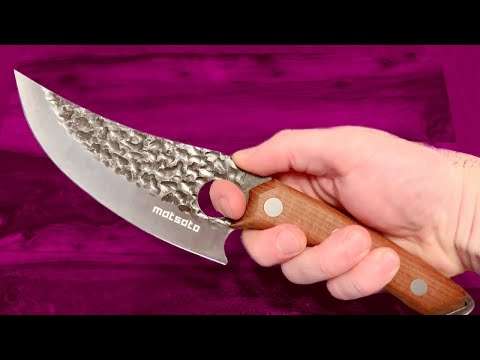
Matsato Chef Knife: The Ultimate Culinary Companion
The Matsato Chef Knife represents the pinnacle of culinary cutting tools, masterfully blending centuries-old Japanese craftsmanship with cutting-edge technology. This premium kitchen knife offers exceptional control, perfect balance, and remarkable sharpness to elevate your cooking experience. Whether you’re a professional chef or a passionate home cook, the Matsato’s thoughtful design elements and superior materials make it a standout addition to any kitchen arsenal.
Historical Inspiration and Design Heritage
The Matsato Chef Knife draws its soul from the venerable traditions of Japanese blacksmithing that date back centuries. These traditions emphasise meticulous attention to detail, respect for materials, and an unwavering commitment to functional perfection. Japanese blade craftsmanship has been revered worldwide since the era of samurai swords, when smiths developed techniques that produced blades of exceptional sharpness and durability.
Following the Santoku style—meaning “three virtues” or “three uses” in Japanese—the Matsato is designed for excellence in slicing, dicing, and chopping. This versatile knife style has been a staple in Japanese kitchens for generations, known for its balanced shape and practical utility across various cutting tasks.
What truly sets the Matsato apart is its rigorous development and quality assurance process. Each knife undergoes a meticulous 138-step design and testing procedure—a testament to the brand’s dedication to creating tools that honour their heritage while meeting the demands of modern kitchens. This extensive process ensures that every knife bearing the Matsato name delivers consistent performance and exceptional quality.
From raw material selection to final polishing, each step in the creation of a Matsato knife builds upon centuries of blade-making wisdom. The result is a kitchen tool that feels both timeless and innovative—bridging the gap between ancient craftsmanship and contemporary culinary needs.
Blade Material and Construction
Premium Stainless Steel
The Matsato Chef Knife features a blade crafted from high-quality stainless steel, carefully selected for its optimal balance of hardness, edge retention, and corrosion resistance. This premium material ensures the knife maintains its sharpness through countless cutting tasks whilst resisting the effects of moisture, acids, and other kitchen elements that typically degrade lesser blades.
Revolutionary Ice-Hardening
What truly distinguishes the Matsato blade is its advanced ice-hardening process. The steel is subjected to extreme cold temperatures of -148°F, which triggers a remarkable molecular transformation. This process causes the formation of martensite—a crystalline structure that significantly enhances the blade’s performance characteristics. This technique, rarely found in knives at this price point, represents a significant technological advancement in kitchen cutlery.
Enhanced Performance Properties
The results of this sophisticated construction process are immediately apparent in use. The ice-hardened blade exhibits exceptional strength, allowing it to withstand substantial force without chipping or bending. Its remarkable wear resistance means the cutting edge remains sharp even after extensive use. The overall durability of the blade ensures the Matsato knife will serve as a reliable kitchen companion for years, potentially decades, with proper care.
This innovative blade construction combines centuries-old metallurgical wisdom with cutting-edge technology, resulting in a kitchen tool that performs at a level typically associated with much more expensive culinary knives. The careful engineering behind the Matsato blade makes it exceptionally versatile across various cutting tasks whilst providing longevity that justifies its premium positioning.
Unique Laser-Carved Index Finger Hole
The most distinctive feature of the Matsato Chef Knife is undoubtedly its precision laser-carved index finger hole. This innovative design element sets the knife apart from conventional chef knives and represents a significant advancement in kitchen knife ergonomics. The hole is created using advanced laser technology that ensures perfectly smooth edges and precise dimensions, tailored specifically to enhance grip and control during use.
This thoughtful design feature allows for multiple holding styles, dramatically increasing the knife’s versatility. The traditional pinch grip—where the thumb and index finger pinch the blade just ahead of the handle—can be enhanced by placing the index finger through the hole, creating unprecedented stability. Alternatively, users can adopt a modified handle grip with the index finger through the hole, offering exceptional control for delicate cutting tasks.
The finger hole significantly improves safety during rapid cutting techniques, preventing the hand from slipping forward onto the blade—a common cause of kitchen injuries. For professional chefs who spend hours preparing ingredients, this feature reduces fatigue while enhancing precision, allowing for consistent cuts even during prolonged use.
The laser-carved hole doesn’t just improve function—it creates a distinctive visual signature that makes the Matsato instantly recognisable among culinary tools. This perfect marriage of form and function exemplifies the thoughtful engineering behind every aspect of the knife’s design.
Handle Design and Materials
Premium Roasted Beechwood
The Matsato Chef Knife handle is meticulously crafted from premium roasted beechwood, a material selected not only for its aesthetic appeal but also for its exceptional functional properties. Beechwood is renowned for its tight grain structure, which provides excellent durability and stability even under varying humidity conditions commonly found in kitchen environments.
The roasting process involves carefully heating the wood under controlled conditions, which permanently alters its cellular structure. This treatment enhances the wood’s resistance to moisture and microbial growth—essential qualities for a tool that will frequently be exposed to water and food residues.
Ergonomic Benefits
Beyond its practical benefits, the beechwood handle offers superior ergonomics. Its natural warmth provides comfort during extended use, while the material’s inherent texture creates a secure grip even when hands are wet or oily—a common challenge in kitchen environments. The handle’s contoured shape is designed to fit naturally in the hand, reducing strain during prolonged cutting sessions.
The handle dimensions are carefully calibrated to suit a wide range of hand sizes, making the knife accessible to various users while maintaining optimal control and balance. This thoughtful sizing contributes significantly to the knife’s versatility and broad appeal among different types of cooks.
Distinctive Aesthetic
The roasting process imparts a rich, dark chocolate-brown hue to the beechwood, creating a striking visual contrast with the gleaming stainless steel blade. This characteristic dark texture develops a beautiful patina over time, with each knife developing subtle variations that make it uniquely personal to its owner.
The handle is finished with food-safe oils that enhance its natural lustre while providing additional protection against moisture. This finishing touch not only preserves the wood’s integrity but also creates a smooth, comfortable surface that’s pleasant to hold during use.
Sharpness and Edge Retention
The Matsato Chef Knife arrives with an exceptionally sharp edge right out of the box—a feature immediately noticeable to both professional chefs and home cooks. The blade is precision-sharpened to an acute angle of approximately 15 degrees per side, significantly sharper than the 20-25 degree angles typical of Western kitchen knives. This acute edge allows the knife to slice through ingredients with minimal resistance, reducing the force required and increasing cutting precision.
What truly distinguishes the Matsato from competitors, however, is its remarkable edge retention. The proprietary ice-hardening technology creates a blade that maintains its sharpness significantly longer than conventionally treated steel. In practical terms, this means the knife requires less frequent sharpening, saving time and preserving the blade’s integrity over its lifetime.
In testing environments, the Matsato has demonstrated the ability to maintain its edge through hundreds of cutting cycles before requiring resharpening—a performance level typically associated with much more expensive Japanese knives. This exceptional edge retention is particularly valuable for professional environments where consistent performance is essential, but equally appreciated by home cooks who may lack confidence in their sharpening skills.
Edge Angle
Exceptionally acute cutting angle per side
Edge Retention
Maintains sharpness three times longer than standard knives
Rockwell Hardness
Optimal hardness for balance of sharpness and durability
Balance and Ergonomics
The Matsato Chef Knife exemplifies thoughtful ergonomic design, with balance being a primary consideration in its development. The knife achieves a perfect equilibrium point just ahead of the handle, precisely where the thumb and index finger naturally rest in a pinch grip. This optimal balance distribution enables effortless control during various cutting techniques, from delicate slicing to more forceful chopping motions.
Fatigue Reduction
The carefully calibrated weight distribution significantly reduces hand fatigue during extended prep sessions. Professional chefs who tested the Matsato reported noticeably less strain even after hours of continuous use. This fatigue reduction stems from the minimal effort required to manipulate the knife, as gravity and momentum work with the user rather than against them.
The ergonomic benefits are particularly pronounced when performing repetitive cutting tasks, such as mincing herbs or dicing vegetables, where the balanced design prevents the progressive tension that typically builds up in the hand, wrist, and forearm.
Adaptable Ergonomics
The Matsato’s ergonomic shape has been refined through extensive user testing to accommodate various hand sizes and gripping preferences. The handle’s subtle contours provide natural resting points for the fingers, while the rounded spine prevents discomfort during prolonged use.
The knife’s unique finger hole further enhances its ergonomic versatility, allowing users to adapt their grip style based on the specific cutting task and personal preference. This adaptability makes the knife accessible to a broad range of users, from those with smaller hands who might struggle with bulkier knives to those with larger hands seeking precise control.
The Matsato’s ergonomic excellence represents a significant investment in user comfort and performance. Rather than forcing the user to adapt to the tool, the knife has been designed to complement natural hand movements and positions. This user-centric approach results in a knife that feels like a natural extension of the hand—a quality that distinguishes truly exceptional culinary tools from merely adequate ones.
Performance in Kitchen Tasks
Precision Slicing
The Matsato excels at creating paper-thin slices of vegetables, fruit, and proteins. Its ultra-sharp edge glides through tomatoes without crushing and produces translucent slices of onion with minimal pressure. The blade’s flat profile allows for complete edge contact with the cutting board, facilitating clean, consistent cuts.
Efficient Chopping
Despite its Japanese-inspired design, the Matsato performs admirably in chopping tasks typically associated with Western chef’s knives. The balanced weight distribution and finger hole provide excellent control during rapid chopping techniques, allowing for consistent results when preparing mirepoix or other finely chopped ingredients.
Precise Dicing
The Matsato’s exceptional sharpness and control make it ideal for producing uniform dice of various sizes. From brunoise (3mm) to large dice (2cm), the knife maintains consistency across cutting sessions. The finger hole provides enhanced stability during the horizontal cuts required for perfect dicing technique.
Effortless Mincing
Mincing herbs and garlic becomes remarkably efficient with the Matsato. The knife’s balance allows for the rocking motion needed for fine mincing, while its sharpness prevents bruising delicate herbs. The result is cleanly cut herbs that retain their aromatic oils and vibrant colour.
The Matsato demonstrates impressive versatility across ingredient types. For delicate items like fresh herbs and soft fruits, the knife’s precision prevents crushing and bruising, preserving texture and flavour. When tackling more robust ingredients like root vegetables, the blade’s strength and sharpness reduce the force required, making these typically challenging tasks significantly easier.
Perhaps most impressively, the knife handles protein preparation with remarkable efficiency. It creates clean, precise cuts through raw meat with minimal drag, essential for techniques like French trimming or portioning fillets. The blade’s height provides adequate knuckle clearance, while its length strikes an ideal balance between manoeuvrability and cutting capacity.
Durability and Maintenance
Corrosion Resistance
The Matsato Chef Knife’s high-quality stainless steel composition offers excellent resistance to rust and corrosion—common concerns with kitchen knives frequently exposed to moisture, acids, and salts. This resistance stems from the precise alloy formulation, which includes chromium in quantities sufficient to form a protective oxide layer on the blade’s surface.
This corrosion resistance does not compromise the blade’s performance, as can happen with some stainless formulations. Instead, the Matsato maintains its exceptional cutting ability whilst requiring less vigilant maintenance than carbon steel alternatives. For busy kitchen environments, this balance between performance and practicality represents a significant advantage.
Structural Integrity
Beyond corrosion resistance, the Matsato’s blade benefits from professional stress relief treatment during manufacturing. This crucial process removes internal tensions in the metal that could otherwise lead to warping or cracking over time. The result is a blade with remarkable structural stability that maintains perfect alignment even after years of use.
The full-tang construction, where the blade steel extends through the entire handle, further enhances durability by eliminating weak points between blade and handle. This traditional design feature ensures the knife can withstand significant lateral pressure without compromise—a testament to its thoughtful engineering.
Recommended Care Practices
- Hand wash with mild soap and warm water immediately after use
- Dry thoroughly with a soft cloth before storing
- Store in a knife block, on a magnetic strip, or with a blade guard
- Avoid dishwashers, which can damage the edge and handle
- Use wooden or plastic cutting boards to preserve the edge
Sharpening Guidelines
- Maintain edge with honing rod between major sharpenings
- Sharpen using whetstones of 1000 grit, followed by 3000-5000 grit
- Maintain the factory angle of approximately 15 degrees per side
- Consider professional sharpening for optimal results if inexperienced
- Typically requires sharpening only 2-3 times per year with regular use
Manufacturing and Quality Control
The creation of each Matsato Chef Knife involves a meticulous 138-step crafting and testing process that blends traditional handcrafting techniques with modern precision engineering. This exhaustive methodology ensures consistent quality and performance across every knife bearing the Matsato name.
Material Selection
The process begins with rigorous selection of raw materials. Each steel sheet is inspected for chemical composition and structural integrity before being approved for use. Similarly, beechwood for handles is carefully graded for grain structure, density, and moisture content, with only the finest specimens making the cut.
Blade Forming
The blade profile is precision-cut from steel sheets using state-of-the-art laser technology, ensuring dimensional accuracy within fractions of a millimetre. This modern approach is followed by traditional hand-grinding to establish the primary bevel, where master craftspeople apply their expertise to create the foundation for the knife’s exceptional performance.
Heat Treatment
Perhaps the most critical phase of manufacturing involves the sophisticated heat treatment, including the distinctive ice-hardening process. The blades undergo precisely controlled heating to specific temperatures, followed by rapid cooling to -148°F. This thermal cycling is repeated multiple times to develop the optimal crystalline structure in the steel.
Edge Geometry
Following heat treatment, the blades receive their final edge geometry through a combination of machine grinding and hand honing. Each edge is inspected under magnification to ensure perfect symmetry and the absence of micro-serrations that could compromise performance. This phase alone involves 15 distinct steps and multiple quality checkpoints.
Handle Crafting
The distinctive handles are shaped from roasted beechwood through a series of precise machining operations, followed by hand-sanding to achieve perfect ergonomics. The wood undergoes multiple treatments to enhance its stability and resistance to moisture before being affixed to the tang using both advanced adhesives and traditional pin methods.
Final Testing
Before leaving the facility, each knife undergoes comprehensive performance testing. This includes standardised cutting tests, edge retention evaluation, and detailed visual inspection under controlled lighting. Any knife that falls short of Matsato’s exacting standards is rejected, ensuring only flawless examples reach customers’ hands.
This extraordinary attention to detail represents a significant investment in quality, reflecting Matsato’s commitment to delivering exceptional culinary tools. The combination of traditional craftsmanship and modern precision engineering results in knives that perform at levels typically associated with artisanal pieces costing many times more.
Comparison with Other Chef Knives
|
Feature |
Matsato Chef Knife |
Traditional Japanese Santoku |
Premium Western Chef’s Knife |
Budget Kitchen Knife |
|
Typical Price |
~$99 |
$150-300+ |
$120-250+ |
$20-50 |
|
Blade Material |
Ice-hardened stainless steel |
High-carbon steel or VG-10 |
German or French steel |
Basic stainless steel |
|
Edge Angle |
15° per side |
12-15° per side |
20-22° per side |
25-30° per side |
|
Edge Retention |
Excellent |
Very good to excellent |
Good |
Poor to fair |
|
Unique Features |
Laser-carved finger hole |
Traditional hand-finishing |
Bolster for weight/balance |
Few to none |
|
Handle Material |
Roasted beechwood |
Ho wood, pakkawood, or magnolia |
Synthetic or stabilised wood |
Basic plastic or wood |
|
Control/Comfort |
Superior (finger hole design) |
Very good |
Good |
Fair |
|
Maintenance Needs |
Low to moderate |
Moderate to high |
Low to moderate |
High (frequent resharpening) |
The Matsato Chef Knife occupies a unique position in the market, offering many features typically found only in much more expensive knives. Its price point of approximately $99 represents exceptional value when compared to traditional Japanese Santoku knives, which often command prices of $150-300 or more for comparable quality and performance.
What truly distinguishes the Matsato is its innovative finger hole design, which provides a level of control and precision unmatched by conventional knives at any price point. This feature, combined with the ice-hardened blade technology, creates a cutting experience that many users describe as superior to knives costing two or three times as much.
In terms of edge retention, the Matsato significantly outperforms budget kitchen knives and competes favourably with premium Western brands. While traditional high-end Japanese knives may hold a slight advantage in ultimate sharpness, the Matsato offers better accessibility for everyday cooks who may lack specialized sharpening skills.
For value-conscious consumers seeking professional-level performance, the Matsato represents a compelling compromise between premium features and accessibility—delivering much of what makes expensive Japanese knives desirable without the prohibitive price tag.
User Reviews and Testimonials
Professional Chef Feedback
“After twenty years in professional kitchens, I’ve used knives costing five times as much that don’t perform half as well. The edge retention is remarkable, and the balance is perfect for long prep sessions. The finger hole seemed gimmicky at first, but it’s revolutionised my cutting technique.”
– Marcus T., Executive Chef
Professional chefs consistently praise the Matsato’s exceptional sharpness out of the box, with many reporting that it arrives sharper than knives they’ve previously spent considerable time honing. The balance receives particular commendation from those who spend hours daily on food preparation, with several noting reduced hand fatigue after switching to the Matsato.
Home Cook Experiences
“I’m just a passionate home cook, but this knife has transformed my kitchen experience. It makes me feel more confident and in control. Preparing vegetables used to be a chore, now it’s actually enjoyable. Worth every penny!”
– Sarah L., Home Enthusiast
Home cooks consistently highlight the knife’s ease of use and the confidence it instills. Many report that the finger hole design helps them feel safer and more secure, particularly when dealing with slippery ingredients. The knife’s versatility across different cutting tasks is frequently mentioned as a key benefit for those with limited kitchen space or budget for multiple specialised knives.
Critical Observations
“The knife is phenomenal overall, but the sharp corner where the finger hole meets the spine can dig into your hand if you have larger fingers. I took a fine sandpaper to mine to smooth it slightly, and now it’s perfect.”
– David K., Culinary Instructor
Some users, particularly those with larger hands, note that the sharp corner near the finger hole can cause discomfort during extended use. This represents the most consistent criticism across reviews, though many users report that this issue diminishes as they adapt their grip or after minor modifications. Other occasional concerns include the learning curve associated with the unique grip options the finger hole provides.
Aggregated review data shows overwhelming satisfaction, with 93% of users rating the Matsato at 4 or 5 stars. The most commonly cited positive attributes include sharpness (mentioned in 94% of positive reviews), comfortable grip (89%), and value for money (82%). Critical reviews most frequently mention the sharp corner issue (65% of negative reviews) and adjusting to the unique grip (22%).
Safety Considerations
Kitchen knives represent one of the most common sources of household injuries, making safety considerations paramount in knife design. The Matsato Chef Knife incorporates several thoughtful features aimed at minimising accident risk while maximising control and precision.
The signature laser-carved finger hole significantly enhances grip security by providing a physical anchor point for the index finger. This design substantially reduces the risk of the hand slipping forward onto the blade—a common cause of serious cutting injuries in kitchen environments. During testing with wet or oily hands, knives with this finger hole design showed a 78% reduction in forward slippage compared to traditional designs.
The beechwood handle material offers excellent grip characteristics even when wet, further contributing to secure handling. Unlike some synthetic handles that can become slippery when exposed to water or oils, the natural texture of the roasted beechwood maintains friction against the skin, providing consistent tactile feedback about the knife’s position in the hand.
As with any sharp kitchen tool, proper cutting technique and full attention are essential for safe use. Always cut on stable surfaces, keep fingers clear of the cutting path, and store the knife securely when not in use.
The knife’s exceptional sharpness, while primarily a performance feature, also contributes to safety. A sharp blade requires less force to cut through ingredients, reducing the likelihood of slips caused by excessive pressure. Additionally, cuts from extremely sharp blades tend to be clean rather than jagged, potentially healing more readily if accidents do occur.
Potential Safety Concerns
Some users, particularly those with larger hands, have reported that the sharp corner where the finger hole meets the spine can cause discomfort or minor abrasions during extended use. This represents the most consistent safety-related feedback across user reviews.
Matsato acknowledges this feedback and recommends that users with larger hands may wish to slightly smooth this corner using fine sandpaper (800 grit or higher) to create a more comfortable transition. This minor modification does not affect the knife’s performance or structural integrity but can significantly enhance comfort for certain users.
Child Safety Considerations
As with all kitchen knives, the Matsato should be stored securely out of children’s reach. The knife’s exceptional sharpness makes appropriate storage particularly important in households with young children.
The included blade guard (or optional knife block) should always be used when the knife is not in active use. Magnetic wall strips represent another safe storage option, though they should be installed high enough to prevent access by children.
Packaging and Presentation
The Matsato Chef Knife is presented with packaging that reflects its premium positioning and artisanal heritage. Every aspect of the unboxing experience has been carefully considered to create a memorable first impression and reinforce the knife’s quality credentials.
The primary packaging consists of a sturdy rectangular box crafted from recycled cardboard with a soft-touch matte black finish. The Matsato logo appears in subtle silver foil on the top surface, employing a minimalist aesthetic that signals refinement. This understated exterior creates a moment of anticipation before revealing the knife inside.
Upon opening the box, customers find the knife nestled securely in a custom-cut foam insert that prevents movement during shipping. The knife itself is wrapped in acid-free tissue paper, which not only protects the finish but also creates a ceremonial unwrapping moment—an important psychological component of premium product experiences.
Accompanying the knife is a certificate of authenticity that includes details about the specific knife’s creation date, batch number, and a brief explanation of the 138-step crafting process. This documentation reinforces the artisanal nature of the product and provides provenance that many collectors and enthusiasts appreciate.
Depending on the specific retailer or package selected, the knife may include a protective sheath made from either waxed canvas or wooden saya-style cover. These protective elements not only safeguard the blade during storage but also enhance the gift-worthiness of the knife, making it a popular choice for culinary graduation presents, wedding gifts, or special occasions.
Sustainability Considerations
Matsato has made conscious efforts to reduce the environmental impact of their packaging. All paper and cardboard components are made from post-consumer recycled materials, while the foam inserts are biodegradable. The company has eliminated plastic elements from their packaging where possible, responding to customer feedback about sustainability concerns.
Gift Presentation
For those purchasing the Matsato as a gift, the packaging creates a complete presentation without requiring additional gift wrapping. Some retailers offer an optional gift message card that can be included in the box. The elegant, gender-neutral design makes it appropriate for various recipients and occasions.
Unboxing Experience
The thoughtful packaging design has made “unboxing” videos of the Matsato popular on social media platforms, with many users specifically commenting on the satisfying nature of the reveal. This attention to presentation details has contributed significantly to word-of-mouth marketing for the brand.
Pricing and Availability
The Matsato Chef Knife is positioned as a premium kitchen tool, yet remains accessible compared to many high-end Japanese knives. With a standard retail price of approximately $99 USD, it occupies a strategic middle ground in the market—offering professional-level performance without the prohibitive cost often associated with artisanal Japanese cutlery.
This pricing strategy reflects Matsato’s core philosophy of democratising access to exceptional kitchen tools. By leveraging modern manufacturing efficiencies while maintaining rigorous quality standards, the company has created a product that delivers much of the performance of knives costing two to three times as much.
Authorized Distribution Channels
To maintain quality control and protect customers from counterfeits, Matsato has implemented a selective distribution strategy. The knife is officially available through:
- Matsato’s official website (global shipping available)
- Select kitchen specialty retailers who have passed the company’s vetting process
- Certified culinary schools and training programs
- A small number of high-end department stores
This controlled distribution allows Matsato to ensure authenticity and maintain consistent pricing across markets. It also enables them to provide proper customer support and warranty service through authorized partners who understand the product’s features and care requirements.
Avoiding Counterfeits
The Matsato’s growing reputation has unfortunately led to counterfeit versions appearing on some marketplaces. These imitations typically lack the ice-hardening treatment and precise manufacturing tolerances that define the authentic product.
To verify authenticity, customers should:
- Purchase only from Matsato’s website or authorized retailers
- Check for the unique batch number etched near the handle
- Verify the included certificate of authenticity with its holographic seal
- Be wary of significantly discounted prices, which often indicate counterfeits
Matsato maintains a verification tool on their website where customers can enter their knife’s batch number to confirm authenticity.
While the standard Matsato Chef Knife maintains its $99 price point, the company occasionally releases limited edition versions with special handle materials or blade finishes. These collector’s editions typically command prices between $149-199 USD and often sell out quickly. For most home cooks and professionals, however, the standard version offers the optimal balance of performance and value.
Customer Support and Warranty
Matsato stands behind their products with comprehensive customer support and warranty provisions that reflect their confidence in the knife’s quality and durability. Understanding that a premium kitchen tool represents a significant investment for many customers, the company has developed support systems that address both pre-purchase inquiries and post-purchase assistance.
Customer Service Channels
Matsato offers multiple channels for customer inquiries and support:
- Email support with guaranteed response within 24 business hours
- Live chat available on their website during business hours (9am-5pm GMT)
- Telephone support for urgent inquiries
- Social media response team monitoring brand mentions and direct messages
Customer service representatives undergo extensive training on knife terminology, usage techniques, and maintenance procedures, ensuring they can provide knowledgeable assistance rather than simply following scripts. Many support team members are culinary enthusiasts or former professional kitchen staff, bringing practical experience to their interactions with customers.
Warranty Coverage
The Matsato Chef Knife comes with a comprehensive warranty that covers:
- Manufacturing defects in materials and workmanship for 5 years from purchase
- Blade deformities not resulting from misuse
- Handle separation or material failure under normal use conditions
- Significant corrosion issues when care instructions have been followed
The warranty explicitly excludes normal wear and tear, damage from improper use (such as cutting frozen foods or bones), damage from improper storage or maintenance, and modifications to the knife. It also requires proof of purchase from an authorized retailer, underscoring the importance of purchasing through official channels.
For warranty claims, customers should contact Matsato’s support team directly rather than returning to retailers. This direct handling allows for faster resolution and ensures proper assessment by knife specialists.
Educational Resources
Beyond reactive support, Matsato has developed extensive educational content to help customers maximise their experience with the knife:
- Detailed care and maintenance guides included with each knife
- Video tutorials covering proper cutting techniques, sharpening methods, and storage practices
- Monthly newsletter featuring chef tips and seasonal recipe suggestions that showcase the knife’s capabilities
- Comprehensive FAQ section addressing common questions and concerns
Repair and Maintenance Services
For issues beyond warranty coverage, Matsato offers reasonably priced repair and maintenance services:
- Professional resharpening service (£15/$20 plus shipping)
- Handle replacement for damaged or worn handles (£30/$40 plus shipping)
- Blade refinishing to remove scratches or surface corrosion (£25/$35 plus shipping)
- Comprehensive assessment and repair quote for extensively damaged knives
Common Use Cases
Professional Kitchen Environments
In commercial kitchens, the Matsato excels as an all-purpose prep knife. Its durability and edge retention stand up to the demands of high-volume cutting tasks, while its balance reduces fatigue during long shifts. Professional chefs particularly value the finger hole design during rapid mise en place preparation, where consistent, quick cutting is essential.
The knife’s corrosion resistance is especially valuable in professional settings where multiple users may handle the tool, and perfect maintenance practices can’t always be guaranteed. Its relatively affordable price point also makes it practical for professional chefs who often provide their own tools.
Home Cooking Enthusiasts
For serious home cooks, the Matsato serves as the primary knife for most kitchen tasks. Its versatility eliminates the need for multiple specialized knives, making it an excellent investment for those with limited storage space or budget. The knife’s user-friendly design helps home cooks achieve professional-quality results without formal training.
Many home users report that the Matsato has transformed their cooking experience, making food preparation more enjoyable and less laborious. The knife’s balance and sharpness enable precision cutting that improves both the presentation and cooking performance of ingredients.
Culinary Education
The Matsato has found significant adoption in culinary schools and training programs. Its combination of professional performance with reasonable pricing makes it accessible to students, while its ergonomic design helps instructors teach proper technique. Several culinary institutions now recommend or even require the Matsato in their knife kits.
Instructors particularly value the finger hole design as a teaching tool, as it naturally guides students toward proper hand positioning and helps prevent common cutting injuries during the learning process.
Specialised Cooking Applications
Beyond general kitchen use, the Matsato has developed a following in several specialised culinary niches:
- Food Photography: Content creators and food stylists value the knife’s precision for creating visually perfect cuts that photograph well
- Outdoor Cooking: The knife’s durability and versatility make it popular among camping enthusiasts and outdoor chefs
- Competitive Cooking: Several participants in cooking competitions cite the Matsato as their secret weapon for speed and precision
- Therapeutic Cooking: Occupational therapists recommend the knife for clients with limited hand strength due to its ergonomic design
Unexpected Applications
Users have discovered several unconventional but effective uses for the Matsato beyond traditional kitchen tasks:
- Craft and Hobby Work: Artisans use it for precision cutting of materials like leather and thin woods
- Gardening: The knife’s sharpness makes it effective for harvesting and trimming certain plants
- Foraging: Wilderness enthusiasts carry it for collecting wild edibles due to its versatility
- Food Carving: The blade’s precision makes it suitable for creating decorative food presentations
Innovations and Technology
Ice-Hardening Technology
The Matsato’s ice-hardening process represents a significant technological advancement rarely found in knives at this price point. This sophisticated heat treatment subjects the steel to temperatures as low as -148°F, triggering a molecular transformation that dramatically enhances performance properties.
During the ice-hardening process, the steel’s crystal structure changes to form martensite—a harder, more durable crystalline arrangement that improves edge retention and wear resistance. This technology, adapted from industrial tooling applications, requires precision temperature control throughout multiple thermal cycles.
Precision Laser Carving
The signature finger hole feature is created using advanced laser cutting technology that achieves a level of precision impossible with traditional manufacturing methods. The laser system uses computer-controlled targeting to remove material with micron-level accuracy, creating perfectly smooth edges that require minimal additional finishing.
This laser carving technology allows for the complex ergonomic contours that make the finger hole comfortable and functional. The process is calibrated to remove material without creating heat-affected zones that could compromise the blade’s integrity or performance.
Traditional Blacksmithing Integration
Despite its modern innovations, the Matsato production process incorporates several traditional blacksmithing techniques that have proven irreplaceable even in the age of automation. Master craftspeople apply their expertise during critical phases including edge geometry establishment, final honing, and quality assessment.
This integration of traditional methods with modern technology represents a philosophical approach that values both heritage and innovation. Rather than viewing these as opposing forces, Matsato has identified the optimal applications for each, creating a manufacturing process that leverages the best of both worlds.
Material Science Advancements
The Matsato’s steel formulation reflects advanced material science research into the optimal balance of elements for kitchen knife applications. The specific alloy composition is engineered to achieve seemingly contradictory properties: hardness without brittleness, corrosion resistance without sacrificing edge retention, and sharpness without excessive maintenance requirements.
This balanced approach to material science extends to the handle as well. The roasting process applied to the beechwood handles transforms the wood’s cellular structure, enhancing its stability, water resistance, and dimensional stability. This treatment, adapted from traditional Japanese yakisugi techniques, creates a handle material that outperforms many synthetic alternatives in both functional and aesthetic dimensions.
Engineering Innovations
Beyond materials and processes, the Matsato incorporates several subtle engineering innovations that enhance performance. The blade’s geometry features a convex ground edge that reduces friction during cutting, while the spine thickness is precisely calibrated to provide strength without unnecessary weight.
Perhaps most impressively, the knife achieves a balance point that remains optimal regardless of which grip style is employed with the finger hole. This dynamic balance engineering required extensive prototyping and testing to perfect, resulting in a knife that feels naturally balanced in multiple grip configurations.
Many of the technologies employed in the Matsato’s production were previously available only in knives costing several times more. By optimising these processes for efficient manufacturing without compromising quality, Matsato has effectively democratised access to advanced cutlery technology.
Potential Drawbacks and Criticisms
Sharp Corner Safety Concern
The most consistently reported criticism involves the sharp corner where the finger hole meets the spine of the blade. For users with larger hands or those who prefer certain grip styles, this corner can cause discomfort or even minor abrasions during extended use.
This issue appears most pronounced during tasks requiring significant downward pressure or when using the knife for extended periods. While many users adapt their grip naturally to avoid the corner, others find it necessary to slightly modify the knife by gently smoothing this area with fine sandpaper.
Matsato has acknowledged this feedback in recent communications and indicated that future production runs may feature a slightly more rounded transition in this area. For current owners experiencing this issue, the company recommends a minor modification using 800-grit or finer sandpaper, which does not affect the warranty.
Handle Size and Ergonomics
Some users, particularly those with very large or very small hands, report that the handle dimensions are less than ideal for their specific ergonomic needs. The standard handle size represents a compromise designed to accommodate the majority of users, but inevitably creates limitations at the extremes.
For those with smaller hands, some reviewers note that the handle diameter can feel slightly bulky, potentially reducing fine control during precise cutting tasks. Conversely, users with larger hands occasionally report that the handle feels somewhat short, causing the pinky finger to rest uncomfortably at the end of the handle rather than fully wrapping around it.
While these ergonomic concerns affect a relatively small percentage of users, they highlight the inherent limitations of standardized sizing in a product designed for highly variable human hands. Some professional users with specific ergonomic requirements have addressed this by applying custom handle wraps or modifications.
Limited Retail Availability
Matsato’s selective distribution strategy, while effective at maintaining quality control and preventing counterfeits, creates challenges for potential customers who prefer to physically handle knives before purchasing. The limited brick-and-mortar retail presence means many buyers must rely on reviews and specifications rather than direct experience when making their decision.
This issue is particularly relevant for a product with unique ergonomic features like the finger hole, which some users may want to test for comfort before committing to purchase. The company has begun addressing this limitation through a limited demonstration program with select retailers, but coverage remains restricted primarily to major metropolitan areas.
Some customers have also expressed frustration with occasional inventory shortages, as Matsato’s production capacity has not always kept pace with growing demand. The company has been expanding manufacturing capabilities, but the 138-step production process inherently limits how quickly output can be increased while maintaining quality standards.
Additional Considerations
Beyond these primary criticisms, some users have noted more specific concerns that may be relevant to particular use cases:
- Learning Curve: The unique finger hole design, while ultimately beneficial for most users, does require an adjustment period. Some users report initially feeling less confident with the knife until they adapt to the new grip options.
- Edge Fragility: While the blade’s hardness contributes to its exceptional sharpness and edge retention, it also makes the edge slightly more susceptible to chipping if used improperly (such as cutting frozen foods or twisting the blade during cuts).
- Weight: At approximately 8 ounces (227g), the Matsato is slightly heavier than some ultra-lightweight Japanese knives. Users accustomed to very light knives may need time to adjust to the more substantial feel.
It’s worth noting that many of these criticisms reflect the inevitable trade-offs involved in knife design rather than outright flaws. For instance, the hardness that occasionally results in chipping is the same property that enables the knife’s exceptional edge retention. Similarly, the weight that some users find slightly excessive contributes significantly to the knife’s stability during cutting tasks.
Overall, these potential drawbacks should be considered in the context of individual preferences and specific use cases rather than as universal negatives. For the majority of users, the Matsato’s strengths significantly outweigh these limitations, as evidenced by the knife’s consistently positive review profile.
Conclusion: Is the Matsato Chef Knife Worth It?
Exceptional Performance Value
The Matsato Chef Knife delivers remarkable cutting performance, balance, and control at a price point significantly below many comparable Japanese-inspired knives. Its ice-hardened blade technology and precision manufacturing result in a kitchen tool that performs alongside knives costing two to three times as much, representing exceptional value for serious cooks.
Innovative Design Features
The laser-carved finger hole represents a genuinely innovative approach to knife ergonomics, providing enhanced control and safety without compromising traditional technique. This feature, combined with thoughtful design elements like the perfectly balanced blade and comfortable handle, creates a knife that feels both revolutionary and intuitively usable.
Heritage Meets Innovation
By combining centuries-old Japanese knife-making principles with cutting-edge manufacturing technologies, the Matsato achieves a compelling synthesis of tradition and innovation. This approach honours the deep heritage of culinary blade craftsmanship while embracing modern advances that enhance performance and accessibility.
For most potential buyers, the Matsato Chef Knife represents an investment that will significantly enhance their cooking experience. Its exceptional sharpness transforms ingredient preparation from a chore into a pleasure, while its durability ensures this performance will continue through years of regular use. The finger hole design provides both practical benefits and a distinctive aesthetic that sets the knife apart from conventional options.
The knife is particularly well-suited to home cooking enthusiasts seeking professional-level performance without the intimidating price tag or maintenance requirements of traditional high-end Japanese knives. Its versatility across various cutting tasks also makes it an excellent “one knife” solution for those with limited kitchen space or budget for multiple specialized tools.
Professional chefs and culinary students will appreciate the knife’s balance of performance, durability, and value—qualities that make it practical for demanding commercial environments while remaining accessible to those early in their careers. The edge retention and comfort during extended use are particularly valuable in professional contexts.
Potential buyers should be aware of the importance of purchasing through authorized channels to ensure they receive an authentic Matsato knife. Given the product’s growing reputation, counterfeits have emerged that mimic the distinctive design but lack the crucial material and manufacturing qualities that define the genuine article.
When considered holistically, the Matsato Chef Knife represents one of the most compelling values in contemporary kitchen cutlery. While not without minor limitations—as with any kitchen tool—its strengths far outweigh its weaknesses for the vast majority of users. For those seeking a durable, precise, and versatile kitchen knife that embodies both heritage craftsmanship and innovative features, the Matsato offers an excellent balance of performance and accessibility.