Understanding Lumonail Nail Fungus: Infection, Impact, and Innovations in Treatment
Nail fungus is a persistent infection that affects millions worldwide, silently entering through small cracks in the nail or cuts in the skin. This comprehensive guide explores the nature of nail fungus infections, their causes and symptoms, conventional treatment challenges, and how innovative solutions like the Lumonail device are revolutionizing treatment approaches. From understanding risk factors to prevention strategies, this document provides essential knowledge for anyone dealing with or seeking to prevent this common but troublesome condition.
Get Official Now! Limited Time for USA
Get Official Now! Limited Time for Germany
Get Official Now! Limited Time for Australia
What is Nail Fungus? The Basics of Onychomycosis
Nail fungus, medically termed onychomycosis, is a prevalent fungal infection that specifically targets the nail unit. This condition affects approximately 10% of the general population, with incidence rising to nearly 50% in individuals over 70 years of age. The infection typically begins innocuously as a white or yellow-brown spot beneath the tip of the nail, often easily dismissed as a minor cosmetic concern.
As the infection progresses, it causes noticeable changes to the nail’s appearance and structure. The affected nails typically develop discoloration that ranges from yellow to brown, become abnormally thickened, and develop brittleness that leads to irregular edges. In advanced cases, the nail may completely crumble at the edges or even separate from the nail bed entirely—a condition known as onycholysis.
The pathophysiology of nail fungus involves fungi entering through microscopic breaks in the nail plate or surrounding skin. These opportunistic pathogens then establish themselves in the keratin-rich environment of the nail, where they proliferate protected from the body’s immune defenses. The nail’s structure provides an ideal protected environment for fungal growth, making these infections notoriously persistent and difficult to eliminate completely.
Unlike many other infections, nail fungus rarely resolves without intervention. The protective nature of the nail plate means that the body’s immune system struggles to reach the infection site, while the slow growth rate of nails (particularly toenails) means that even with effective treatment, visual improvement may take months as the infected portion grows out and is replaced by healthy nail.
The Culprits: Fungi Behind Nail Infections
Nail fungus infections are predominantly caused by several types of fungi, each with distinct characteristics and prevalence patterns. Understanding these pathogens is crucial for effective diagnosis and targeted treatment approaches.
Dermatophytes are the primary culprits responsible for approximately 90% of toenail fungal infections. Among these, Trichophytonrubrum is the most prevalent species, followed by T. mentagrophytes and Epidermophytonfloccosum. These specialized fungi have evolved to digest keratin, the tough protein that forms the structure of nails, making them particularly adept at colonizing the nail unit.
Yeasts, particularly Candida albicans, are more commonly associated with fingernail infections rather than toenail infections. These opportunistic fungi often affect individuals whose hands are frequently exposed to moisture or those with compromised immune systems. Candidal nail infections typically involve the nail fold as well as the nail plate, causing painful swelling and redness around the nail.
Non-dermatophytemolds such as Fusarium, Aspergillus, Scopulariopsis, and Acremonium species account for a smaller percentage of nail infections but are increasingly recognized as significant pathogens. These environmental fungi typically cause secondary infections in already damaged nails and can be particularly resistant to conventional antifungal treatments.
Dermatophytes
- Responsible for 90% of toenail infections
- Primarily Trichophytonrubrum species
- Specialized to digest nail keratin
- Thrive in the warm, dark environment of shoes
Yeasts
- Mainly Candida albicans
- More common in fingernail infections
- Often affect immunocompromised individuals
- Frequently involve painful inflammation of surrounding tissue
Non-dermatophyteMolds
- Fusarium, Aspergillus, Scopulariopsis species
- Typically secondary invaders of damaged nails
- More resistant to standard treatments
- Increasing in prevalence globally
These fungi thrive in warm, moist environments, which explains their prevalence in communal facilities like swimming pools, locker rooms, and public showers. The confined, often sweaty environment inside shoes creates ideal conditions for fungal growth, particularly for dermatophytes. Nail salons can also be sources of infection if tools are not properly sterilized between clients, as fungi can be transferred from one person to another through contaminated instruments.
How Does Infection Occur? Entry Through Cracks and Cuts?
Nail fungus infection occurs through a specific process of invasion and colonization that begins with the fungi gaining entry to the nail unit. Understanding this mechanism is vital for both prevention and treatment approaches. The primary pathway for infection is through microscopic or visible breaks in the nail plate or the surrounding skin.
Initial Exposure
Contact with fungi occurs in environments where they thrive, such as damp floors in gyms, swimming pools, or shared showers. The fungi may also be present on contaminated manicure or pedicure tools.
Entry Point Formation
Small breaks in the nail integrity or skin barrier provide entry points. These can result from trauma, aggressive nail care, skin conditions like eczema, or simply the natural microscopic fissures that develop in nails with age and use.
Fungal Invasion
Once in contact with a suitable entry point, fungal spores germinate and hyphae (thread-like structures) penetrate the nail or skin. The fungi begin to metabolize keratin in the nail, using it for growth and proliferation.
Colonisation and Spread
As the infection establishes, fungi spread beneath and within the nail plate. The nail’s dense structure and poor blood supply create an ideal protected environment for fungal colonies to thrive with minimal interference from immune responses.
Several common activities significantly increase the risk of developing nail fungus by creating entry points or exposing individuals to fungal elements:
- Aggressive manicure or pedicure practices that damage the cuticle, which normally serves as a protective barrier between the nail plate and the proximal nail fold
- Cutting nails too short or with irregular edges that can lead to microtrauma
- Walking barefoot in areas where fungi are prevalent, such as communal showers, locker rooms, and pool decks
- Wearing occlusive footwear that creates warm, moist conditions ideal for fungal growth
- Using contaminated nail care tools that have not been properly sterilized between users
It’s particularly noteworthy that nail fungus often develops as an extension of athlete’s foot (tineapedis). The same fungi that infect the skin between the toes can spread to the nails when conditions are favourable. This progression underscores the importance of treating skin fungal infections promptly to prevent them from advancing to the more challenging-to-treat nail infections.
Recognising the Signs: Symptoms of Nail Fungus
Recognising the clinical manifestations of nail fungus is crucial for early intervention, which significantly improves treatment outcomes. The symptoms typically develop gradually and may vary in severity depending on the causative organism, the extent of infection, and individual factors such as immune status and circulation.
Visual Changes
- Discoloration ranging from white to yellow, brown, green, or black
- Thickening of the nail plate (hyperkeratosis)
- Loss of normal lustre and transparency
- Development of white patches or streaks on the nail surface
Structural Changes
- Brittle, crumbly, or ragged nail edges
- Distortion of the normal nail shape
- Onycholysis (separation of the nail from the nail bed)
- Subungual debris accumulation beneath the nail
Associated Symptoms
- Mild odour in advanced cases
- Pain or discomfort when pressure is applied
- Inflammation of surrounding skin (paronychia)
- Difficulty wearing shoes due to thickened nails
It’s important to note that nail fungus is progressive. Without treatment, the infection typically worsens over time, spreading to other nails and potentially causing permanent damage to the nail unit. What might begin as a small white or yellow spot can eventually affect the entire nail structure.
The specific presentation may offer clues to the causative organism. For instance, dermatophyte infections often begin at the distal edge and progress proximally with a distinct border between affected and unaffected nail. Candidal infections frequently involve inflammation of the surrounding tissue (paronychia) and may cause the cuticle to detach from the nail plate. Non-dermatophytemold infections sometimes present with an unusual nail plate coloration such as black or green.
Not all nail abnormalities are fungal in origin. Conditions such as psoriasis, lichen planus, trauma, bacterial infections, and certain systemic diseases can mimic the appearance of fungal nail infections. This underscores the importance of proper diagnosis before commencing treatment.
The symptoms of nail fungus can significantly impact quality of life beyond their physical manifestations. Many individuals report embarrassment about the appearance of their nails, leading to avoidance of activities where nails would be visible, such as swimming or wearing open-toed shoes. The physical discomfort associated with thickened nails can also affect mobility and exercise tolerance in some cases.
Who is at Risk? Key Predisposing Factors
While nail fungus can affect anyone, certain populations and circumstances significantly increase vulnerability to these infections. Understanding these risk factors is essential for targeted prevention strategies and early intervention in high-risk individuals.
Age
Individuals over 60 years have significantly higher rates of nail fungus, with prevalence increasing with each decade of life. This is attributed to:
- Slower nail growth reducing natural clearing
- Cumulative nail trauma over lifetime
- Reduced peripheral circulation
- Diminished immune response to fungal invasion
Health Conditions
Certain medical conditions substantially increase susceptibility:
- Diabetes (2-3x higher risk due to impaired circulation)
- Peripheral vascular disease
- Psoriasis (up to 50% develop nail involvement)
- HIV and other immunocompromising conditions
Environmental Exposure
Regular exposure to high-risk environments:
- Communal swimming pools and changing rooms
- Shared shower facilities
- Nail salons with inadequate sterilisation
- Hot, humid climates that promote fungal growth
Nail Trauma
Physical damage compromises nail integrity:
- Sports-related repeated microtrauma
- Ill-fitting footwear causing pressure
- Aggressive manicure/pedicure techniques
- Occupational hazards (construction, etc.)
Genetic factors also play a role in susceptibility to nail fungus, with some individuals having a hereditary predisposition. Studies suggest that certain HLA (human leukocyte antigen) types are associated with increased vulnerability to dermatophyte infections, explaining why nail fungus sometimes appears to run in families.
Lifestyle factors contribute significantly to risk levels. People who frequently wear occlusive footwear such as work boots, trainers, or high heels create the warm, moist environment in which fungi thrive. Similarly, individuals who participate in activities causing repetitive nail trauma, such as runners or footballers, have higher rates of infection due to the microscopic damage that provides entry points for fungi.
Medications can also influence susceptibility, with long-term use of immunosuppressants, corticosteroids, and certain antibiotics increasing the risk of fungal overgrowth. Cancer treatments, particularly chemotherapy, temporarily reduce immune function and can create opportunities for fungal invasion.
Understanding these risk factors allows for targeted preventive measures in high-risk populations and environments. For individuals with multiple risk factors, regular nail inspection and prompt attention to early signs of infection are particularly important for preventing the establishment of difficult-to-treat infections.
Diagnosis: Confirming Onychomycosis
Accurate diagnosis of nail fungus is crucial before initiating treatment, as many nail abnormalities can mimic fungal infections. The diagnostic process typically involves clinical assessment followed by laboratory confirmation to identify the specific causative organism.
Clinical Examination
The diagnostic journey begins with a thorough visual examination by a healthcare professional, typically a dermatologist or podiatrist. During this assessment, the clinician evaluates:
- The pattern and extent of nail discoloration
- Structural changes to the nail plate
- Involvement of surrounding skin
- Distribution of affected nails (single vs. multiple)
While experienced clinicians can often recognize the characteristic appearance of fungal nail infections, visual diagnosis alone has limited accuracy, with studies showing correct clinical diagnosis in only 50-60% of cases. This relatively low accuracy stems from the fact that conditions like psoriasis, lichen planus, trauma, and bacterial infections can create nail changes that mimic fungal infection.
Laboratory Confirmation
To confirm the diagnosis and identify the specific pathogen, laboratory testing is essential. The most common diagnostic methods include:
- Direct microscopy (KOH preparation) – provides rapid results but cannot identify the specific fungal species
- Fungal culture – takes 2-4 weeks but allows species identification and antifungal sensitivity testing
- Histopathological examination with PAS staining – highly sensitive but more invasive and costly
- PCR-based molecular methods – rapid and specific but not widely available in all settings
Sample Collection
Nail clippings or scrapings are gathered from the affected area, preferably including subungual debris. The specimen quality significantly impacts diagnostic accuracy.
KOH Examination
Samples are treated with potassium hydroxide to dissolve keratin, allowing for microscopic visualization of fungal elements like hyphae or spores.
Fungal Culture
Samples are placed on specialized media to allow fungal growth, enabling species identification. This process takes 2-4 weeks but provides valuable information about the specific pathogen.
Advanced Testing
In complex cases, additional methods like PAS staining of nail clippings or PCR-based molecular testing may be employed for greater diagnostic certainty.
Accurate diagnosis offers several critical advantages beyond simply confirming the presence of infection. Identifying the specific fungal species guides treatment selection, as certain fungi respond better to particular antifungal agents. For instance, non-dermatophytemolds often show resistance to standard treatments effective against dermatophytes.
False negatives can occur in laboratory testing, particularly if samples are inadequate or if the patient has recently used topical antifungals. In cases with high clinical suspicion but negative initial results, repeat testing may be warranted.
The diagnostic process also helps differentiate between primary fungal infections and secondary fungal invasions of nails already damaged by other conditions. This distinction is important because treating only the fungal component without addressing the underlying primary condition often leads to poor outcomes and recurrence.
Early and accurate diagnosis significantly improves treatment success rates and helps prevent complications, particularly in high-risk individuals such as those with diabetes or compromised immune systems. The investment in proper diagnostic procedures ultimately leads to more efficient treatment, reducing the overall burden of disease and improving quality of life for affected individuals.
Conventional Treatments: Challenges and Options
Managing nail fungus has historically presented significant therapeutic challenges, with conventional treatments offering a range of options, each with distinct advantages and limitations. The difficulty in effectively treating these infections stems from the nail’s protective structure, which limits drug penetration, and the slow growth rate of nails, which prolongs the time needed for visible improvement.
Oral Antifungal Medications
Systemic antifungals remain the most effective conventional treatment for nail fungus, with clinical studies showing mycological cure rates of 60-80%.
|
Medication |
Typical Regimen |
Efficacy |
Key Considerations |
|
Terbinafine |
250mg daily for 6-12 weeks (fingernails) or 12-16 weeks (toenails) |
70-80% cure rate |
First-line for dermatophytes; requires liver function monitoring |
|
Itraconazole |
200mg twice daily for 1 week per month, repeated for 2-3 months |
60-70% cure rate |
Effective for Candida; numerous drug interactions |
|
Fluconazole |
150-300mg once weekly for 6-12 months |
50-60% cure rate |
Less evidence but better tolerated by some patients |
While effective, oral antifungals carry significant drawbacks, including potential hepatotoxicity, drug interactions, and contraindications for patients with certain medical conditions. Regular liver function monitoring is typically required, and treatment duration of several months adds to the burden of therapy.
Topical Antifungal Treatments
Topical treatments offer a safer alternative but struggle with the fundamental challenge of penetrating the nail plate to reach the infection site.
- Ciclopirox 8% nail lacquer: Applied daily for up to 48 weeks, with mycological cure rates of 30-36%. Requires regular removal and reapplication.
- Efinaconazole 10% solution: A newer option with improved nail penetration and cure rates of 40-50% in clinical trials.
- Amorolfine 5% nail lacquer: Applied weekly with cure rates of 35-50%, more commonly used in Europe than North America.
- Tavaborole 5% solution: Another newer agent with a mechanism that allows better penetration through the nail plate.
Topical treatments generally require prolonged application periods (9-12 months for toenails) and have significantly lower cure rates compared to oral medications, particularly for infections involving the nail matrix or for thick nails where penetration is especially challenging.
Mechanical and Surgical Approaches
For severe or resistant cases, mechanical or surgical interventions may be considered:
- Nail avulsion: Complete or partial removal of the infected nail, allowing direct application of topical agents to the nail bed
- Nail debridement: Professional thinning or trimming of the infected nail to reduce fungal burden and improve topical drug penetration
- Nail matrix phenolization: Chemical destruction of the nail matrix in severe cases to prevent regrowth of chronically infected nails
Despite available treatments, recurrence rates for nail fungus remain high, with studies indicating 10-50% of patients experience reinfection within 1-5 years after successful treatment. This underscores the importance of preventive measures and potentially maintenance therapy for high-risk individuals.
The limitations of conventional treatments—including lengthy treatment duration, potential toxicity, modest efficacy, and high recurrence rates—have driven the search for alternative approaches, including novel drug delivery systems, combination therapies, and non-pharmacological interventions like the Lumonail device.
The Lumonail Device: A New Frontier in Nail Fungus Treatment
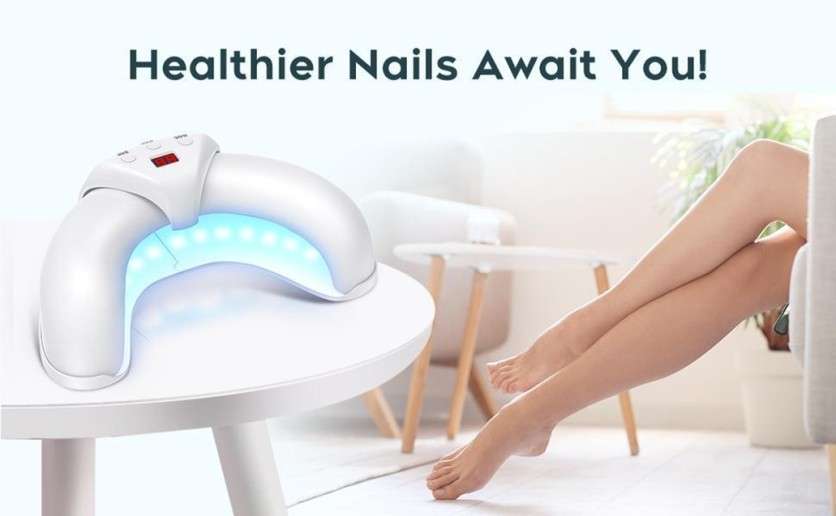
The Lumonail device represents a significant innovation in the treatment landscape for nail fungus, offering a drug-free approach based on light therapy technology. This portable, at-home device utilizes low-level laser therapy (LLLT) specifically calibrated to target and eliminate fungal infections affecting the nails.
Device Design and Functionality
The Lumonail is a compact, ergonomically designed handheld device developed specifically for treating nail fungus in a home setting. Its development stems from decades of research into photobiomodulation and the antifungal properties of specific light wavelengths. The device features:
Precision Light Technology
Delivers specific wavelengths of light (typically in the blue to near-UV spectrum) that penetrate the nail plate to reach the infection site without damaging surrounding tissues.
User-Friendly Design
Ergonomic handle with simple controls, preset treatment protocols, and automatic shut-off to ensure consistent, correct application without specialized training.
Rechargeable Battery
Built-in power source allows multiple treatments without replacement batteries, making it economical for long-term use and environmentally friendly.
Safety Features
Includes protective eyewear and failsafes to prevent misuse or overexposure, ensuring treatments remain safe even with regular home use.
Clinical Validation and Efficacy
The Lumonail device has undergone clinical testing to validate its efficacy against nail fungus. Research studies have demonstrated several key advantages:
- Nail Penetration: The specific wavelengths used by Lumonail can penetrate the nail plate to reach fungi in the nail bed and matrix, areas traditionally difficult to treat with topical agents.
- Fungicidal Activity: Clinical studies show the light therapy can directly damage fungal cell structures and inhibit reproduction, with in vitro studies demonstrating significant reductions in fungal colony growth.
- Improvement Rates: Clinical trials have reported visible improvement in 60-70% of patients after a complete treatment course, with best results seen when treatment begins in earlier stages of infection.
- Safety Profile: The studies demonstrate minimal side effects, primarily limited to temporary mild warmth or tingling during application, with no systemic adverse effects reported.
“Light-based therapies like Lumonail represent a promising direction in dermatology, offering non-invasive approaches to conditions previously requiring prolonged drug therapy. The ability to treat infections without systemic drugs is particularly valuable for patients with complex medical histories.” – Journal of Photomedicine and Laser Surgery
The Lumonail device provides a compelling alternative to traditional treatments by addressing many of their limitations. It eliminates concerns about drug interactions and systemic side effects, requires no prescription, and offers a clean, non-messy application process compared to topical lacquers or creams. For patients who have failed conventional therapies or those seeking a drug-free approach, Lumonail provides a scientifically-supported option that can be used either as standalone therapy or as a complement to other treatment modalities.
How Lumonail Works: Science Behind the Light
The therapeutic mechanism of the Lumonail device is founded on the principles of photobiomodulation, specifically tailored to target fungal pathogens while preserving healthy human tissue. Understanding the scientific principles behind this technology helps explain its efficacy against nail fungus infections that have traditionally proven difficult to treat.
Light Penetration and Wavelength Specificity
The Lumonail device emits light at carefully calibrated wavelengths, typically in the range of 405-450 nanometers (blue to near-UV spectrum). This specific portion of the light spectrum has been demonstrated to achieve two critical outcomes:
- Penetration through the nail plate to reach the nail bed where fungi reside, overcoming the physical barrier that limits topical medication effectiveness
- Selective absorption by fungal cellular components, particularly porphyrins and other photosensitive molecules present in fungi but not in human cells
The keratin structure of the nail, while dense, allows certain wavelengths of light to pass through. The Lumonail’s specific wavelength selection maximizes this penetration while remaining safe for surrounding tissues.
Direct Antifungal Mechanisms
When the light energy reaches fungal cells, it triggers several destructive processes:
- Photooxidative damage: The light activates endogenous photosensitizers within fungal cells, generating reactive oxygen species (ROS) that damage cell membranes, proteins, and DNA
- Mitochondrial disruption: Fungal mitochondria absorb the light energy, leading to dysfunction in energy production essential for cell survival
- DNA damage: Direct photodamage to nucleic acids interferes with cell reproduction and protein synthesis
- Membrane permeability changes: Structural alterations to cell membranes compromise cellular integrity and function
Indirect Therapeutic Effects
Beyond direct fungicidal activity, the Lumonail treatment induces beneficial secondary effects that contribute to infection resolution:
Enhanced Circulation
The light therapy stimulates microcirculation in the nail bed and surrounding tissues, increasing oxygen and nutrient delivery to the area. This improved blood flow supports natural immune responses and helps create an environment less favorable for fungal growth.
Immunomodulation
LLLT has been shown to enhance local immune cell activity, potentially increasing the body’s natural antifungal defenses in the treated area. This includes increased macrophage activity and enhanced neutrophil response.
Tissue Regeneration
The photobiomodulation effect promotes faster healing of damaged nail tissue, potentially accelerating the growth of healthy nail to replace infected portions.
Treatment Protocol
The clinical efficacy of Lumonail depends on a structured treatment protocol that ensures sufficient exposure to achieve therapeutic effects:
- Treatments typically last 7-10 minutes per affected nail
- Recommended frequency is 1-2 treatments daily for 4-6 weeks for optimal results
- Maintenance treatments (weekly or biweekly) may be advised after initial improvement to prevent recurrence
- Best results occur when treatment begins at earlier stages of infection when the fungal burden is lower
This scientific approach represents a significant advance in nail fungus treatment, utilizing the precise properties of light to overcome the limitations that have historically made these infections so challenging to resolve. By targeting the fungus directly without requiring systemic drug absorption or complicated application procedures, Lumonail offers a mechanism of action that is both sophisticated in its biological targeting and straightforward in its clinical application.
Get Official Now! Limited Time for USA
Get Official Now! Limited Time for Germany
Get Official Now! Limited Time for Australia
Advantages and Limitations of Lumonail
The Lumonail device, like any medical technology, presents a distinct profile of benefits and constraints that patients and healthcare providers should consider when evaluating treatment options for nail fungus. Understanding these factors helps establish appropriate expectations and identify which patients might benefit most from this approach.
Advantages of Lumonail Treatment
Safety Profile
The non-invasive, drug-free nature of Lumonail offers significant safety advantages:
- No systemic absorption, eliminating risks of liver toxicity associated with oral antifungals
- Absence of drug interactions, making it suitable for patients on multiple medications
- Minimal reported side effects, typically limited to temporary mild warmth during application
- Suitable for patients with contraindications to oral antifungals
Convenience Factors
The design and functionality offer practical benefits:
- At-home treatment eliminates need for frequent clinical visits
- No prescription required, increasing accessibility
- Clean application without messy creams or lacquers
- One-time purchase versus ongoing medication costs
- Treatment can be performed while engaging in sedentary activities
Clinical Advantages
- Ability to target infection through the nail plate, addressing the penetration challenge of topical treatments
- Can be used in combination with other treatments for potentially enhanced efficacy
- No development of microbial resistance, unlike with antifungal medications
- Suitable for long-term maintenance therapy to prevent recurrence
- Treats multiple nails without increased risk of side effects
Limitations and Considerations
Treatment Compliance
Effectiveness depends on consistent application over the recommended treatment period. The required discipline for regular use (typically daily for 4-6 weeks) may be challenging for some patients, potentially limiting real-world effectiveness compared to clinical trial results.
Cost Considerations
The initial investment in the Lumonail device may be higher than a course of topical treatment, though potentially lower than multiple courses of oral medication. Limited insurance coverage for light therapy devices means most patients face out-of-pocket expenses, creating potential access barriers.
Efficacy Variations
Treatment success varies based on infection severity, causative organism, and individual factors. Light therapy generally shows better results for mild to moderate infections and may be less effective for severe cases with significant nail thickening or matrix involvement.
The Lumonail device represents a valuable addition to the treatment armamentarium for nail fungus, particularly for patients seeking non-pharmacological options or those who have experienced failure with or contraindications to conventional treatments. While not a universal solution for all cases, its favorable safety profile and convenience advantages make it an important consideration in the evolving approach to managing these challenging infections.
Preventing Nail Fungus: Practical Tips
Prevention remains the most effective strategy against nail fungus infections. By implementing proper foot care, hygiene practices, and environmental controls, individuals can significantly reduce their risk of developing these persistent infections or experiencing recurrences after successful treatment.
Hygiene Practices
- Wash feet daily with soap and water, drying thoroughly between toes
- Change socks daily, more frequently if feet become sweaty
- Rotate shoes to allow complete drying between wears
- Use antifungal powder in shoes and on feet if prone to excessive sweating
- Disinfect shower floors regularly if living with family members with fungal infections
Footwear Considerations
- Wear breathable shoes made of natural materials like leather or canvas
- Avoid tight-fitting shoes that compress toes and create warm, moist environments
- Use moisture-wicking socks, preferably made of natural fibres or specialised athletic materials
- Consider antimicrobial insoles for those with recurrent fungal problems
- Remove shoes when possible to air feet, especially after exercise or long periods of wear
Public Area Protection
- Wear waterproof sandals or shower shoes in communal showers, locker rooms, and pool areas
- Avoid sharing towels, shoes, or nail care tools with others
- Use disposable liners when having pedicures, or bring personal tools
- Ensure nail salons sterilize equipment properly between clients
- Apply antifungal spray to feet after exposure to high-risk environments
Nail Care Best Practices
- Cut nails straight across and avoid tapering or rounding corners
- Maintain moderate nail length to prevent trauma from tight shoes
- Avoid cutting cuticles, which serve as a natural barrier against infection
- Sterilize nail tools with alcohol before and after use
- Avoid artificial nails and nail polish on infected nails, as they can trap moisture and worsen infections
Special Preventative Measures for High-Risk Individuals
People with certain conditions face elevated risks of nail fungus and may benefit from additional preventative strategies:
|
Risk Group |
Additional Preventative Recommendations |
|
Diabetic patients |
Daily foot inspection, professional nail care, preventative antifungal cream application, moisture-wicking socks, comprehensive foot care routine as part of diabetes management |
|
Immunocompromised individuals |
Prophylactic antifungal products, avoidance of high-risk environments, early intervention at first signs of infection, regular dermatological check-ups |
|
Athletes |
Dedicated sports shoes for different activities, frequent sock changes, post-exercise foot care routine, preventative antifungal spray, avoidance of barefoot contact in team facilities |
|
Elderly |
Regular podiatric care, assistance with nail trimming if mobility is limited, extra attention to drying between toes, accommodative footwear to prevent trauma |
Maintenance After Treatment
For individuals who have successfully treated nail fungus, preventing recurrence requires ongoing vigilance:
- Continue antifungal foot powder or cream as recommended by healthcare providers
- Consider periodic preventative treatments with devices like Lumonail
- Replace old shoes that may harbor fungal spores
- Maintain heightened awareness of early signs of reinfection
- Address any concurrent skin fungal infections promptly to prevent spread to nails
Research indicates that approximately 10-50% of successfully treated nail fungus cases experience recurrence within 1-5 years. This high recurrence rate underscores the importance of ongoing preventative measures even after apparent cure.
Implementing these preventative strategies requires developing consistent habits and awareness of environmental risk factors. While no prevention method is 100% effective, these approaches significantly reduce the likelihood of developing nail fungus and can help maintain nail health over the long term.
The Impact of Untreated Nail Fungus
While often dismissed as a merely cosmetic concern, untreated nail fungus can lead to significant health complications, functional limitations, and psychosocial impacts that affect overall quality of life. Understanding these potential consequences highlights the importance of timely intervention and appropriate management.
Physical Complications
Without treatment, nail fungus typically progresses and can lead to several physical complications:
- Permanent Nail Damage: Longstanding fungal infections can cause irreversible changes to the nail structure, including permanent thickening, distortion, and discoloration that persists even after the infection is cleared.
- Pain and Discomfort: As infected nails thicken and become distorted, they can cause pain when pressure is applied, making walking difficult and wearing shoes uncomfortable.
- Secondary Bacterial Infections: The compromised nail and surrounding skin become more vulnerable to bacterial pathogens, potentially leading to cellulitis, a painful bacterial infection of the skin and soft tissues.
- Widespread Infection: Without intervention, the infection can spread from one nail to multiple nails, significantly increasing the treatment challenge and functional impact.
The physical consequences of untreated nail fungus are particularly concerning for individuals with diabetes or peripheral vascular disease. In these populations, even minor complications like ingrown nails or small skin breaks around infected nails can develop into serious infections that threaten tissue viability.
Functional Limitations
The structural changes caused by progressing fungal infections can significantly impact daily activities:
Mobility Constraints
Thickened, painful nails can alter gait and reduce walking distance or duration, potentially leading to a more sedentary lifestyle with associated health risks. Studies have shown that severe onychomycosis is associated with reduced walking speed and stability in older adults.
Activity Restrictions
Many individuals with visible nail fungus avoid activities that expose their nails, such as swimming, yoga, or wearing open-toed shoes. This limitation can reduce participation in beneficial physical and social activities.
Self-Care Challenges
Thickened nails become difficult to trim properly, sometimes requiring specialized tools or professional podiatric care. This can lead to additional complications like ingrown nails if not managed correctly.
Psychosocial Impact
The visible nature of nail fungus, particularly when it affects fingernails, can have significant psychological and social consequences:
- Embarrassment and Reduced Self-Esteem: Research indicates that 74-92% of patients with visible nail fungus report feelings of embarrassment or reduced self-esteem related to the appearance of their nails.
- Social Avoidance: Many patients report avoiding situations where their nails would be visible to others, including intimate relationships, leading to social isolation.
- Professional Impact: In occupations requiring direct customer contact or hygienic appearance (food service, healthcare, beauty industry), visible fungal infections can affect professional opportunities and confidence.
- Stigmatization: Despite being a medical condition, nail fungus is sometimes incorrectly associated with poor hygiene, leading to social stigma and discrimination.
A quality-of-life study published in the Journal of the American Academy of Dermatology found that patients with toenail onychomycosis scored significantly lower on physical, social functioning, and mental health domains compared to matched controls without the condition.
The cumulative impact of these physical, functional, and psychosocial consequences highlights why nail fungus should not be dismissed as merely cosmetic. The condition represents a genuine health concern that warrants appropriate medical attention and treatment, particularly for vulnerable populations. Early intervention not only improves treatment outcomes but also prevents the cascade of complications that can significantly diminish quality of life.
The Future of Nail Fungus Care: Integrating Technology and Medicine
The landscape of nail fungus treatment is evolving rapidly, with innovative technologies like Lumonail representing just the beginning of a new era in fungal infection management. This section explores emerging trends, ongoing research, and the future direction of nail fungus care.
Emerging Treatment Technologies
The integration of technology into nail fungus treatment is creating promising new therapeutic approaches:
Advanced Light Therapies
Building on the foundation established by devices like Lumonail, researchers are developing next-generation photodynamic therapies that combine light activation with photosensitizing agents to enhance fungicidal effects. These hybrid approaches aim to increase effectiveness while maintaining the safety profile of light-based treatments.
Nanotechnology Drug Delivery
Nanoparticle formulations of antifungal medications are showing promise in overcoming the nail plate barrier that limits conventional topical treatments. These microscopic carriers can penetrate nail keratin more effectively, delivering higher concentrations of active ingredients to the infection site.
AI-Powered Monitoring
Artificial intelligence applications are being developed to track treatment progress through smartphone photography, providing objective measurements of nail clarity, thickness, and color changes. These tools offer more precise monitoring than visual assessment alone and can help optimize treatment protocols.
Targeted Biologics
Research into fungal biology is identifying unique metabolic pathways and structural elements that could be targeted by highly specific biological agents. These treatments aim to disrupt fungal processes with minimal impact on human cells, potentially offering greater efficacy with fewer side effects.
Integrative Approaches
The future of nail fungus management likely lies in combination strategies that leverage multiple mechanisms of action:
Combination Therapies
Clinical research increasingly supports combination approaches that pair complementary treatments:
- Light therapy plus topical antifungals showing synergistic effects
- Mechanical nail debridement followed by enhanced penetration treatments
- Alternating therapy protocols to prevent resistance development
- Personalized regimens based on fungal species identification and nail characteristics
Preventative Innovations
Prevention strategies are becoming more sophisticated:
- Antimicrobial textiles for socks and footwear linings
- Bioactive nail polishes that provide ongoing protection
- Environmental control systems for shoes using UV sterilization
- Microbiome-based approaches that promote beneficial flora to resist fungal colonization
Personalized Treatment Paradigms
The trend toward precision medicine is influencing nail fungus treatment approaches:
Advanced diagnostic technologies are enabling more targeted treatment selection:
- Molecular diagnostics: PCR and DNA sequencing provide rapid species identification, allowing tailored antifungal selection based on known susceptibility patterns
- Biomarker analysis: Research into identifying biomarkers that predict treatment response may allow clinicians to select optimal approaches for individual patients
- Digital health integration: Wearable sensors and connected devices are being developed to monitor environmental factors and treatment adherence, providing real-time guidance to improve outcomes
Future Research Directions
Key areas of ongoing research that will shape the future of nail fungus care include:
- Development of fungal vaccines that could prevent initial infection or recurrence
- Exploration of the nail microbiome and its role in susceptibility and resistance to fungal invasion
- Investigation of genetic factors that influence infection risk and treatment response
- Creation of novel drug classes targeting unique fungal vulnerabilities
- Engineering of smart materials for nail care that respond to environmental changes or detect early signs of infection
As technology continues to advance and our understanding of fungal pathophysiology deepens, treatment options will likely become more effective, convenient, and personalized. The integration of technological innovations like Lumonail with conventional medical approaches represents a significant step forward in addressing the persistent challenge of nail fungus infections, offering hope for improved outcomes and reduced disease burden in the future.
Conclusion: Empowering Patients Against Nail Fungus
Nail fungus represents a persistent and common infection that affects millions worldwide, stealthily entering through cracks in the nail or cuts in the surrounding skin. Throughout this document, we have explored the multifaceted nature of this condition, from its underlying causes to innovative treatment approaches like the Lumonail device.
Understanding the Enemy
Nail fungus, or onychomycosis, is caused primarily by dermatophytes, yeasts, and non-dermatophytemolds that thrive in warm, moist environments. These opportunistic pathogens exploit small breaks in the nail or skin barrier to establish infections that can persist for years without intervention, causing progressive nail damage and potential complications.
Recognising the Invasion
Early identification of symptoms—including discoloration, thickening, brittleness, and separation from the nail bed—enables prompt intervention before the infection becomes entrenched. Understanding personal risk factors, from age and underlying health conditions to environmental exposures, allows for targeted prevention strategies for those most vulnerable.
Leveraging Treatment Options
While conventional treatments like oral antifungals and topical medications have dominated the landscape, technological innovations such as the Lumonail device are expanding the therapeutic arsenal. By harnessing the power of specific light wavelengths to target fungal cells without systemic side effects, these approaches offer new hope for effective, convenient treatment.
The impact of untreated nail fungus extends far beyond aesthetics, potentially leading to pain, functional limitations, secondary infections, and psychological distress that significantly diminish quality of life. This underscores the importance of addressing these infections promptly rather than dismissing them as merely cosmetic concerns.
As we look to the future, the integration of technology and medicine promises increasingly effective approaches to nail fungus management. From advanced diagnostics to personalized treatment protocols and innovative preventative strategies, the field continues to evolve toward better outcomes and reduced disease burden.
Key Takeaways for Patients
- Be vigilant: Inspect nails regularly for early signs of infection, particularly if you have risk factors such as diabetes, frequent exposure to moist environments, or a history of athlete’s foot
- Seek proper diagnosis: Consult healthcare professionals for accurate diagnosis rather than self-diagnosing, as many conditions can mimic nail fungus
- Consider all options: Evaluate the full spectrum of treatment approaches, including innovative technologies like Lumonail, especially if conventional treatments have failed or are contraindicated
- Practice prevention: Implement comprehensive preventative measures, including proper foot hygiene, appropriate footwear choices, and precautions in high-risk environments
- Be persistent: Recognize that nail fungus treatment requires patience and consistency, with visual improvement often taking months as healthy nail grows to replace infected portions
“The most effective approach to nail fungus combines timely intervention, appropriate treatment selection, and consistent preventative practices—empowering patients to break the cycle of infection and recurrence.”
By understanding the nature of nail fungus infections, recognizing risk factors and symptoms, and leveraging both traditional and innovative treatment approaches like Lumonail, individuals can effectively manage this common condition. Through knowledge, vigilance, and appropriate care, healthy nails and the confidence they bring are achievable goals for those affected by nail fungus.
Get Official Now! Limited Time for USA
Get Official Now! Limited Time for Germany
Get Official Now! Limited Time for Australia