Soothrelieve Compression Socks: Complete Product Review
Welcome to our comprehensive review of Soothrelieve Compression Socks, the innovative therapeutic support garments designed by licensed podiatrists and physical therapists with personal experience in foot and ankle pain. Launched in 2025, these medical-grade compression socks offer targeted relief and improved circulation for individuals suffering from various foot conditions. This document explores everything you need to know about Soothrelieve Compression Socks, from their design and functionality to customer experiences and purchasing information.
Introduction to Soothrelieve Compression Socks
Soothrelieve Compression Socks represent a significant advancement in therapeutic footwear, launched in early 2025 as a comprehensive solution for individuals experiencing foot and ankle discomfort. Unlike conventional socks, these medical-grade compression garments have been meticulously developed by a team of healthcare professionals specializing in podiatry and physical therapy, combining clinical expertise with innovative textile technology.
What sets Soothrelieve apart from standard compression wear is their dual-purpose design. They function effectively as both preventative and therapeutic compression garments, making them suitable for a wide range of users – from those seeking to prevent foot issues during prolonged standing to individuals managing chronic conditions like plantar fasciitis, Achilles tendonitis, or edema.
The development team behind Soothrelieve includes practitioners who have personally experienced foot pain, bringing a unique perspective to the product design. This first-hand understanding of foot discomfort has influenced every aspect of the socks’ construction, from the graduated compression profile to the reinforced support zones targeting common problem areas.
As a relatively new entry to the therapeutic compression market, Soothrelieve has quickly gained attention for its specialized approach to foot and ankle care, positioning itself as more than just another compression sock, but rather as a comprehensive therapeutic tool developed with clinical expertise.
Get Soothrelieve Compression Socks From The Official Website Now
What Are Soothrelieve Compression Socks?
Soothrelieve Compression Socks are advanced therapeutic garments specifically engineered to improve circulation and provide relief from foot and ankle discomfort. Developed by a licensed physical therapist who personally struggled with chronic foot pain, these podiatrist-approved compression socks represent a convergence of medical knowledge and practical experience in addressing lower extremity issues.
At the core of Soothrelieve’s effectiveness is their graduated compression technology. Unlike regular socks that apply uniform pressure, Soothrelieve implements a carefully calibrated pressure gradient that’s strongest at the ankle and gradually decreases as it moves upward along the leg. This strategic pressure distribution effectively promotes proper blood flow back to the heart, reducing swelling and discomfort in the process.
The socks are crafted from a specialized blend of nylon and spandex materials, striking an optimal balance between durability and elasticity. This composition ensures the socks maintain their therapeutic compression levels throughout extended wear while remaining comfortable enough for daily use. The material blend also contributes to the socks’ moisture-wicking properties, keeping feet dry and preventing potential skin irritation.
Understanding that proper fit is crucial for effective compression therapy, Soothrelieve offers these socks in various sizes based on precise ankle and calf measurements rather than shoe size alone. This sizing approach ensures that users receive the appropriate level of compression for their specific anatomy, maximizing therapeutic benefits while maintaining comfort.
The Science Behind Compression Therapy
Compression therapy has long been established as an effective approach to improving circulation and reducing discomfort in the lower extremities. The science behind this therapeutic technique is rooted in understanding how controlled external pressure affects the body’s circulatory system, particularly the venous return of blood from the legs back to the heart.
At its core, compression therapy works by applying graduated pressure to the legs, with the highest pressure at the ankle gradually decreasing as it moves up the leg. This pressure gradient, typically measured in millimeters of mercury (mmHg), effectively narrows the diameter of major veins. The narrowing increases blood velocity within these vessels, improving the efficiency of venous return and reducing the pooling of blood in the lower extremities.
For therapeutic benefit, compression garments like Soothrelieve typically provide pressure in the range of 15-30 mmHg. This range has been scientifically validated as effective for various conditions without causing discomfort or circulatory issues. Mild compression (15-20 mmHg) is often sufficient for preventative care and minor discomfort, while moderate compression (20-30 mmHg) addresses more significant symptoms and conditions.
The scientific benefits of properly applied compression extend beyond simply improving blood flow. Research has demonstrated that graduated compression therapy also reduces the diameter of major veins, increases venous wall elasticity, improves valve effectiveness, and decreases venous pressure. These mechanisms collectively work to reduce edema (swelling), improve tissue oxygenation, and accelerate the removal of metabolic waste products from muscles and tissues.
Additionally, compression therapy influences the lymphatic system by enhancing lymphatic flow and preventing the accumulation of lymph fluid in the tissues. This dual effect on both venous and lymphatic systems makes compression therapy particularly effective for conditions involving swelling and inflammation, such as those targeted by Soothrelieve Compression Socks.
How Soothrelieve Compression Socks Work?
Graduated Compression Application
Soothrelieve socks apply precisely calibrated pressure that’s highest at the ankle (approximately 20-30 mmHg) and gradually decreases moving up the leg (15-20 mmHg at the calf). This graduated pressure distribution is the fundamental mechanism behind their therapeutic effect.
Enhanced Venous Return
The strategic pressure gradient effectively narrows superficial veins, arteries, and capillaries, forcing blood that might otherwise pool in the lower extremities to circulate more efficiently back toward the heart. This improved circulation reduces swelling and alleviates the heavy, tired feeling often experienced in legs and feet.
Muscle Support and Stabilization
Beyond circulatory benefits, Soothrelieve socks provide crucial structural support to muscles and joints. This support minimizes micro-trauma during activity, reduces vibration and impact forces on tissues, and helps maintain proper alignment of the ankle and foot structures.
Accelerated Recovery
The improved circulation facilitated by Soothrelieve’s compression technology accelerates the removal of metabolic waste products like lactic acid from muscles, expediting recovery after physical activity. This makes them particularly beneficial for athletes and active individuals.
Soothrelieve Compression Socks function through a carefully engineered combination of material properties and anatomically-informed design. The compression levels are maintained through consistent wear, with maximum benefits typically experienced after several hours of use. For individuals with chronic conditions, the cumulative effect of daily wear provides progressive improvement in symptoms over time, making them effective for both immediate relief and long-term management of foot and ankle issues.
Key Features of Soothrelieve Compression Socks
Podiatrist-Designed Architecture
Unlike generic compression socks, Soothrelieve garments were specifically designed by podiatrists focusing on foot and ankle biomechanics. The architecture incorporates anatomically correct support zones that align with key structures of the foot and ankle, providing targeted compression where it’s most therapeutically beneficial.
Graduated Compression Technology
Soothrelieve implements a scientific pressure gradient that applies 20-30 mmHg at the ankle, gradually decreasing to 15-20 mmHg at the calf. This carefully calibrated compression profile optimizes venous return while maintaining comfort during extended wear.
Premium Material Composition
Crafted from a specialized blend of 70% nylon and 30% spandex, these socks achieve the perfect balance between durability and elasticity. This composition ensures consistent compression levels throughout the day while providing necessary flexibility for comfortable movement.
Targeted Compression Zones
The specialized knit pattern creates distinct compression zones that target common problem areas. Extra support is provided across the arch and Achilles tendon, while the forefoot region features a more relaxed fit to accommodate natural foot expansion during activity.
Additional features include a non-constricting top band that prevents uncomfortable binding while maintaining the sock’s position, seamless toe construction to prevent friction and irritation, and moisture-wicking properties that keep feet dry throughout the day. The knee-high design ensures comprehensive support for the entire lower leg, addressing both localized foot issues and general circulation concerns that affect the entire lower extremity.
Material Composition and Design
Soothrelieve Compression Socks demonstrate exceptional attention to material science and structural design, aspects that significantly contribute to their therapeutic effectiveness and comfort during extended wear. The foundation of these socks is a premium textile blend consisting of approximately 70% nylon and 30% spandex, a proportion carefully determined to provide optimal compression properties while maintaining durability through repeated washing and wearing cycles.
The circular knit construction represents a significant advancement over traditional flat-knit compression garments. This manufacturing technique creates a seamless, continuous compression profile that eliminates pressure points and ensures uniform compression distribution throughout the garment. The absence of seams not only enhances comfort but also eliminates potential friction points that could cause skin irritation during extended wear.
Recognizing that different areas of the sock experience varying levels of stress during use, Soothrelieve incorporates reinforced heel and toe sections with additional material density. These reinforced zones significantly extend the product’s lifespan by protecting against the wear patterns typically seen in conventional socks. The heel pocket is engineered with anatomical precision to cradle the calcaneus (heel bone) properly, providing targeted support to this high-impact area.
Moisture management is another critical aspect of Soothrelieve’s design. The proprietary weave incorporates moisture-wicking channels that actively draw perspiration away from the skin surface and facilitate rapid evaporation. This feature is particularly important for compression garments, as moisture trapped against the skin can lead to maceration, discomfort, and potential skin breakdown during extended wear.
The non-binding top band represents a thoughtful solution to a common complaint with compression stockings. While maintaining sufficient tension to keep the sock in place, this specialized elastic band distributes pressure over a wider area, preventing the uncomfortable constriction and indentation often experienced with conventional compression garments. This design element is especially beneficial for users with sensitive skin or those who need to wear compression socks for extended periods.
Health Benefits of Soothrelieve Compression Socks
Pain Reduction
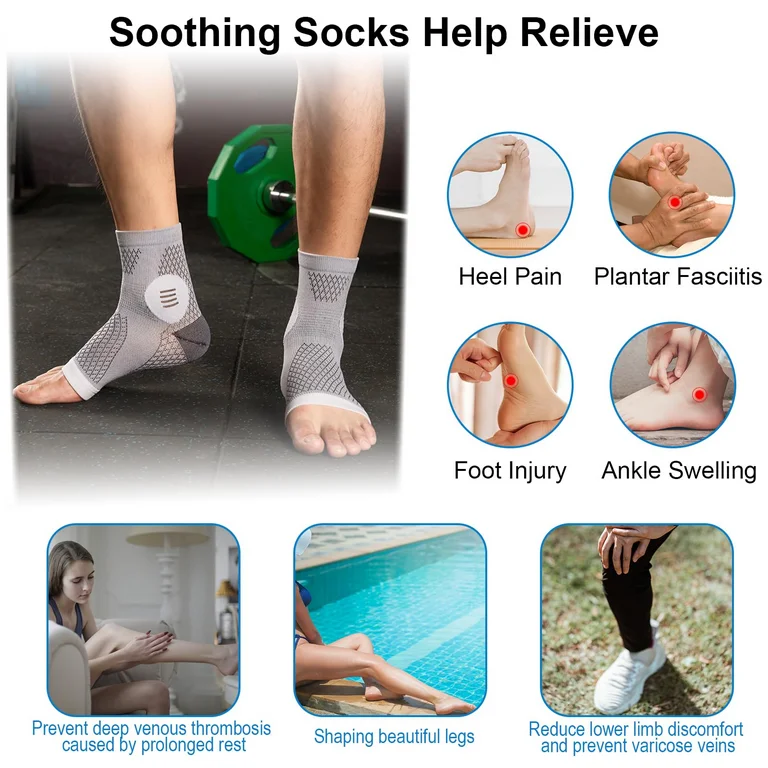
Soothrelieve Compression Socks have demonstrated significant effectiveness in reducing foot and ankle pain through multiple mechanisms. The targeted compression stabilizes tendons and ligaments, reducing strain on these structures during movement. This support is particularly beneficial for conditions like plantar fasciitis, Achilles tendonitis, and general foot fatigue. Additionally, improved circulation reduces inflammation, further contributing to pain relief. Users typically report noticeable discomfort reduction within the first few days of consistent wear.
Edema Prevention
The graduated compression profile effectively prevents and reduces swelling (edema) in the lower extremities by enhancing both venous and lymphatic drainage. This benefit is particularly valuable for individuals who experience swelling due to prolonged standing, minor injuries, or certain medical conditions. The compression actively assists the body’s natural fluid return mechanisms, preventing the accumulation of excess fluid in the tissues that leads to uncomfortable swelling and potential complications.
Circulatory Improvement
Perhaps the most fundamental benefit of Soothrelieve socks is their ability to enhance lower extremity circulation. The graduated compression actively supports venous return, reducing the workload on the cardiovascular system and improving overall circulatory efficiency. This improved blood flow delivers more oxygen and nutrients to tissues while more efficiently removing metabolic waste products, creating an environment conducive to healing and recovery.
Deep Vein Thrombosis Prevention
For individuals with reduced mobility or those undertaking long flights or car journeys, Soothrelieve socks serve as a preventative measure against deep vein thrombosis (DVT). The compression helps maintain blood flow velocity in the deep veins of the legs, reducing the risk of potentially dangerous blood clot formation. While not a replacement for medical intervention in high-risk individuals, they provide a valuable prophylactic benefit for moderate-risk situations.
Beyond these primary benefits, users often report improved energy levels and reduced fatigue when wearing Soothrelieve Compression Socks during extended periods of standing or walking. The physiological support provided by the socks reduces the energy expenditure required for maintaining venous return, effectively making the entire lower extremity function more efficiently. This efficiency translates to less fatigue and greater comfort throughout the day, particularly for those whose occupations require long periods on their feet.
Who Can Benefit from Soothrelieve Compression Socks?
Individuals with Foot and Ankle Conditions
People suffering from conditions such as plantar fasciitis, Achilles tendonitis, ankle instability, or general foot pain can experience significant relief through the targeted support and improved circulation provided by Soothrelieve Compression Socks. The graduated compression and specialized support zones work together to stabilize affected structures and reduce inflammation, often resulting in noticeable pain reduction.
Professionals Who Stand for Extended Periods
Healthcare workers, retail employees, teachers, factory workers, and others whose occupations require prolonged standing can benefit tremendously from the circulatory support and fatigue reduction provided by these compression socks. The graduated compression counteracts the natural gravitational pooling of blood in the lower extremities that occurs during extended standing, reducing swelling, discomfort, and the heavy, tired feeling that typically develops throughout a long shift.
Athletes and Active Individuals
From professional athletes to weekend warriors, those engaging in regular physical activity can benefit from Soothrelieve’s support during both exercise and recovery phases. During activity, the socks provide structural support that reduces muscle vibration and fatigue. Post-exercise, the enhanced circulation accelerates the removal of metabolic waste products like lactic acid, potentially reducing recovery time and minimizing delayed-onset muscle soreness.
Travelers on Long Journeys
Individuals undertaking extended flights, train journeys, or car trips face increased risk of lower extremity swelling and deep vein thrombosis due to prolonged immobility. Soothrelieve Compression Socks provide a valuable preventative measure by maintaining circulatory efficiency during these periods of restricted movement, reducing both the discomfort and potential health risks associated with long-distance travel.
Patients with Edema or Circulatory Issues
Those experiencing mild to moderate edema (swelling) due to various causes can benefit from the fluid management properties of Soothrelieve socks. Similarly, individuals with minor venous insufficiency or other circulatory challenges often experience significant symptom improvement through the graduated compression support. While severe cases should be managed under medical supervision, many with mild to moderate circulatory issues find these socks provide valuable daily symptom management.
Advantages of Soothrelieve Compression Socks
Healthcare-Informed Design
Created by a licensed physical therapist who personally experienced foot pain, Soothrelieve benefits from both clinical expertise and first-hand understanding of patient needs. This dual perspective has informed every aspect of the product design, resulting in compression socks that effectively address real-world foot and ankle issues.
Condition-Specific Targeting
Unlike generic compression wear, Soothrelieve specifically addresses foot and ankle conditions through anatomically-informed support zones. The specialized architecture provides extra reinforcement across the arch, heel, and ankle—areas commonly affected by conditions like plantar fasciitis and Achilles tendonitis.
Optimal Compression Gradient
The scientifically calibrated pressure profile (20-30 mmHg at ankle, decreasing to 15-20 mmHg at calf) represents the ideal therapeutic range for most users. This graduated compression delivers maximum circulatory benefit while remaining comfortable for all-day wear.
Premium Material Quality
The specialized nylon-spandex blend maintains its elasticity and compression properties significantly longer than lower-quality alternatives. This material durability ensures consistent therapeutic benefits throughout the product’s extended lifespan, providing better long-term value despite the higher initial investment.
As a 2025 release, Soothrelieve Compression Socks incorporate the latest innovations in compression technology and textile engineering. The manufacturing process utilizes advanced circular knitting techniques that eliminate uncomfortable seams while maintaining precise compression gradients. This recent development places Soothrelieve at the forefront of compression therapy technology, offering advantages that older products simply cannot match.
Additionally, Soothrelieve offers exceptional size inclusivity compared to many competitors, with a comprehensive sizing system based on actual ankle and calf measurements rather than generic small/medium/large designations. This approach ensures proper fit and appropriate compression levels for a wider range of body types, maximizing both comfort and therapeutic effectiveness.
Potential Drawbacks to Consider
While Soothrelieve Compression Socks offer numerous benefits, potential customers should consider several limitations before purchasing. As with any therapeutic product, understanding the complete picture—including potential drawbacks—is essential for making an informed decision about whether these compression socks will meet your specific needs and expectations.
Limited Market History
As a product launched in 2025, Soothrelieve Compression Socks have a relatively short track record compared to established brands with decades of market presence. This limited history means fewer long-term user experiences to evaluate and less data regarding the product’s durability over extended periods. Potential customers must rely on shorter-term reviews and manufacturer claims rather than years of documented performance.
Premium Price Point
With prices typically ranging from $35-45 per pair, Soothrelieve positions itself in the premium segment of the compression sock market. While this pricing reflects the medical-grade compression technology and specialized design features, it represents a significant investment compared to non-therapeutic socks or basic compression options. Consumers on tight budgets may find the cost prohibitive, especially considering that optimal use often requires owning multiple pairs for rotation.
Initial Comfort Adjustment
First-time compression sock users often experience an adjustment period as they become accustomed to the tight fit. Soothrelieve socks, with their therapeutic level of compression, may feel uncomfortably tight during initial wear sessions. This sensation typically subsides as users adapt to the compression sensation, but some individuals may find the adjustment period challenging or uncomfortable.
Sizing Complexity
The effectiveness of compression therapy depends heavily on proper sizing, which requires precise measurement of ankle and calf circumference. This measurement process is more complex than simply selecting based on shoe size, potentially creating confusion or improper selection. Incorrectly sized compression socks not only reduce therapeutic benefits but can potentially cause discomfort or circulation issues.
Additionally, individuals with certain medical conditions such as severe peripheral vascular disease, skin infections, pulmonary edema, or extreme peripheral neuropathy should avoid using compression products without medical supervision. While Soothrelieve provides general contraindication information, the self-assessment nature of purchasing decisions may lead some inappropriate candidates to use the product when it’s not medically advisable for their specific condition.
Customer Reviews and Testimonials
Since their launch in early 2025, Soothrelieve Compression Socks have garnered a substantial body of customer feedback across various platforms. Early adopter reviews have been predominantly positive, with an aggregate rating of 4.6/5 stars across major retail platforms and the official website. A comprehensive analysis of these reviews reveals several consistent themes regarding user experience and perceived benefits.
After 12-hour nursing shifts left my feet throbbing, I tried numerous compression socks with limited relief. Soothrelieve has been a game-changer. The graduated compression genuinely reduces swelling, and I no longer have that painful ache by shift’s end. Worth every penny for those of us on our feet all day.
Healthcare professionals comprise a significant portion of the user base, with many specifically recommending Soothrelieve to patients with circulatory issues. Physical therapists and podiatrists frequently mention the anatomically-informed design as superior to generic compression options, particularly for patients dealing with specific foot and ankle pathologies rather than general circulatory concerns.
Among athletic users, the feedback consistently highlights performance and recovery benefits. Runners, cyclists, and fitness enthusiasts report reduced muscle fatigue during activity and decreased recovery time afterward. Several competitive athletes have specifically mentioned the structural support during high-impact activities as a differentiating factor compared to other compression options they’ve tried.
Users with edema or swelling consistently report measurable reduction in symptoms, often sharing before-and-after observations of ankle circumference or visible swelling. Many note that the effects are cumulative, with greater improvement observed after several weeks of consistent use rather than immediately.
The most frequent criticism in otherwise positive reviews relates to the initial difficulty putting on the socks, though most users acknowledge this is inherent to effective compression garments rather than a product-specific issue. A smaller percentage of reviews mention sizing challenges, reinforcing the importance of careful measurement and proper size selection.
Sizing Guide and Proper Fitting
Proper sizing is absolutely critical for compression socks to deliver their therapeutic benefits effectively. Ill-fitting compression garments can not only reduce effectiveness but potentially cause discomfort or circulation problems. Soothrelieve has developed a comprehensive sizing system based on precise ankle and calf measurements rather than shoe size or generic small/medium/large designations.
Taking Accurate Measurements
For optimal fit, measurements should be taken in the morning before any significant swelling occurs. Using a flexible measuring tape, measure the circumference of the narrowest part of your ankle (usually just above the ankle bone) and the widest part of your calf. Record these measurements in centimeters for the most accurate sizing. If you’re between sizes, the manufacturer typically recommends sizing up rather than down to ensure comfort while maintaining therapeutic compression.
|
Size |
Ankle Circumference (cm) |
Calf Circumference (cm) |
|
Small |
18-21 |
28-34 |
|
Medium |
21-24 |
30-38 |
|
Large |
24-27 |
34-42 |
|
X-Large |
27-30 |
38-46 |
Putting On Compression Socks Correctly
Due to their therapeutic compression levels, Soothrelieve socks require a specific technique for proper application. Turn the sock inside out to the heel area, place your foot into the sock’s foot portion, and gradually roll and pull the sock up the leg. Avoid bunching or creating wrinkles, as these can cause pressure points or reduce effectiveness. The sock should lie flat against the skin with even pressure throughout. For individuals with mobility limitations, Soothrelieve offers an optional application aid that can be purchased separately.
Signs of Proper Fit
A correctly fitted Soothrelieve sock should feel snug but not painfully tight. The top band should stay in place without sliding down but should not create a deep indentation in the skin. The heel pocket should align with your actual heel, and the toe area should allow for comfortable movement without pinching. If you experience numbness, tingling, or see discoloration in your toes, the size is likely too small and should be exchanged immediately.
Remember that new compression socks typically feel quite tight initially, and there is an adaptation period as users become accustomed to the sensation of therapeutic compression. This initial tightness should not be confused with an improper fit unless it causes actual discomfort or circulation issues.
Care and Maintenance Instructions
Washing Procedures
Hand washing is strongly recommended to preserve the elastic properties and compression levels of Soothrelieve socks. Use lukewarm water and mild soap, gently cleaning without wringing or twisting the fabric. If machine washing is necessary, use a delicate cycle with cold water and place the socks in a mesh laundry bag to minimize stress on the fibers. Avoid bleach, fabric softeners, and other harsh chemicals that can degrade the elasticity.
Drying Methods
Air drying is the only recommended method for Soothrelieve Compression Socks. Lay them flat on a towel away from direct sunlight and heat sources, which can damage the elastic fibers. Never use a dryer, as the heat will significantly compromise the compression properties and overall lifespan of the garment. Complete drying typically takes 6-8 hours in normal conditions.
Rotation System
For optimal hygiene and product longevity, owning at least three pairs of Soothrelieve socks is recommended. This allows for a proper rotation system where one pair is being worn, one is being washed, and one is available as a backup. With proper rotation and care, each pair should maintain its therapeutic compression levels for approximately 4-6 months of regular use.
Replacement Indicators
Several signs indicate when compression socks should be replaced: visible stretching or sagging, especially around the ankle area; elastic band loosening; fabric thinning or developing transparency when stretched; and a general decrease in snugness. If the socks become easier to put on over time, this typically indicates compression loss and signals replacement is needed.
Proper storage is also crucial for maintaining the integrity of Soothrelieve Compression Socks. Store them loosely folded or rolled rather than sharply creased, which can damage fibers at the fold line. Keep them in a cool, dry place away from direct sunlight, which can degrade the elastic components. Avoid storing them with rough-textured items that might cause snags or pulls in the specialized fabric.
Following these care instructions diligently will ensure your Soothrelieve Compression Socks maintain their therapeutic compression levels and structural integrity for the maximum possible lifespan, providing consistent benefits and representing better long-term value despite the premium initial investment.
Where to Purchase Soothrelieve Compression Socks?
Authorized Healthcare Suppliers
Several established medical supply retailers have partnered with Soothrelieve to distribute their compression products. Major healthcare supply chains like Medical Supply Depot, Compression Therapy Direct, and HealthProducts4You typically stock Soothrelieve products both online and in their physical locations. These authorized retailers often have trained staff who can assist with sizing and selection, which can be particularly valuable for first-time compression sock users who need guidance on proper fit.
Healthcare Provider Networks
Soothrelieve has established relationships with networks of podiatrists, physical therapists, and vascular specialists who offer the compression socks directly to patients. This distribution channel provides the advantage of professional fitting and personalized recommendations based on your specific medical needs. Some healthcare providers may also be able to process insurance coverage for the purchase if the compression socks are prescribed as part of medical treatment.
Online Marketplaces
Major online marketplaces like Amazon, eBay, and Walmart.com offer Soothrelieve Compression Socks through both the official Soothrelieve store and third-party sellers. When purchasing through these platforms, it’s crucial to verify that the seller is either Soothrelieve directly or a verified authorized retailer to ensure product authenticity. The convenience of these platforms is balanced by potentially limited customer service specific to the product.
Specialty Retailers
Select specialty retailers focusing on athletic recovery, running specialty stores, and wellness boutiques have begun carrying Soothrelieve products. These brick-and-mortar locations offer the advantage of trying on the socks with expert assistance before purchasing, though they typically carry a more limited selection of sizes and styles compared to online options.
Price Points and Value Assessment
Soothrelieve Compression Socks are positioned in the upper-mid range of the compression garment market with a retail price of approximately $35-45 per pair, depending on size and specific model. This pricing places them above basic compression options (typically $10-20) but below high-end medical-grade compression stockings that can exceed $70 per pair. Understanding this price positioning is essential for evaluating the product’s value proposition.
Comparative Value Analysis
When compared to similar medical-grade compression products, Soothrelieve offers competitive pricing. Brands like Jobst and Sigvaris with comparable compression levels (15-30 mmHg) and specialized features typically retail for $45-60 per pair. Soothrelieve’s slightly lower price point while maintaining medical-grade specifications represents solid value within this market segment. The podiatrist-designed features specifically targeting foot and ankle issues further enhance the value proposition for users with these particular concerns.
Package Deals and Subscription Options
Soothrelieve offers several purchasing options that improve the overall value proposition. Multi-pair packages (typically 3-5 pairs) provide a 15-25% discount compared to individual pair purchases. Additionally, the company has introduced a subscription service that delivers replacement pairs at 3, 4, or 6-month intervals with a 20% price reduction and free shipping. This subscription model aligns well with the recommended replacement schedule for compression garments and offers significant long-term savings for regular users.
Insurance and FSA/HSA Eligibility
As medical-grade compression garments, Soothrelieve socks qualify for reimbursement through many Flexible Spending Accounts (FSA) and Health Savings Accounts (HSA). Additionally, some insurance plans cover graduated compression socks when prescribed by a healthcare provider for specific medical conditions. Coverage typically requires a prescription specifying the compression level and medical necessity. Soothrelieve provides the necessary documentation and billing codes to facilitate insurance claims, though coverage varies significantly between insurance providers and specific plans.
Return Policy and Guarantees
Soothrelieve offers a 30-day satisfaction guarantee when purchased through their official website or authorized retailers. If the socks don’t provide the expected benefits or if sizing issues occur, customers can return unworn items for a full refund or exchange. This policy reduces the financial risk of trying the product, though it’s important to note that returned items must be in new condition without signs of wear, washing, or alteration.
Frequently Asked Questions
How long should I wear Soothrelieve Compression Socks daily?
For maximum therapeutic benefit, Soothrelieve recommends wearing their compression socks for 8-12 hours daily. You can safely wear them throughout your waking hours, but they should generally be removed for sleeping unless specifically advised otherwise by a healthcare provider. New users should start with 3-4 hours and gradually increase wear time as they adjust to the compression sensation.
When should I expect to notice results?
Most users report immediate improvement in comfort during extended standing or activity. For chronic conditions like mild edema or venous insufficiency, noticeable improvement typically occurs within 1-2 weeks of consistent daily wear. Full therapeutic benefits for ongoing conditions may take 3-4 weeks of regular use as the body responds to the improved circulation patterns.
Can I wear Soothrelieve Compression Socks while sleeping?
Generally, compression socks are not recommended during sleep unless specifically prescribed by a healthcare provider for certain conditions. Nighttime is usually when the body benefits from a break from compression. However, certain circulatory conditions may warrant overnight wear – consult your healthcare provider for personalized guidance if you’re considering nighttime use.
Are Soothrelieve Compression Socks suitable for diabetic patients?
Individuals with diabetes should exercise caution with compression garments. Soothrelieve offers a specific diabetic-friendly model with modified compression levels and non-binding tops designed to accommodate the unique circulatory concerns of diabetic patients. However, all diabetic patients should consult their healthcare provider before using any compression products, as individual medical situations vary significantly.
How many pairs of Soothrelieve socks are recommended for rotation?
For optimal hygiene and product longevity, Soothrelieve recommends owning at least three pairs. This allows for a rotation where one pair is being worn, one is being washed/dried, and one is available as a backup. Athletes or individuals wearing compression socks daily may benefit from a 5-pair rotation to extend the lifespan of each individual pair.
Do Soothrelieve Compression Socks lose effectiveness over time?
Yes, all compression garments gradually lose elasticity with regular wear and washing. Soothrelieve socks typically maintain their full therapeutic compression levels for approximately 4-6 months of regular use with proper care. Signs that replacement is needed include visible stretching, decreased snugness, or increased ease of application. Following the care instructions carefully will maximize the effective lifespan of the product.
Can I cut or alter Soothrelieve socks if they’re too long?
No, cutting or altering compression garments will compromise the graduated compression profile and potentially create areas of excessive or insufficient pressure. If the socks are too long, it’s recommended to fold the top down rather than cutting the material. For persistent fit issues, contacting customer service about alternative sizing options is the best approach.
Regulatory Status and FDA Classification
Understanding the regulatory status of compression socks is essential for consumers seeking therapeutic benefits from these products. In the United States, the Food and Drug Administration (FDA) oversees the regulation of compression garments, categorizing them based on their intended use and marketing claims.
Classification Framework
Compression socks like Soothrelieve that make therapeutic claims typically fall under the classification of “medical support stockings” as defined in 21 CFR 880.5780 (Code of Federal Regulations). These products are generally classified as Class II medical devices, which require a higher level of regulatory control than Class I devices but less than the stringent requirements for Class III devices. The product code commonly assigned to medical compression stockings is “DWL,” which specifically refers to graduated compression hosiery intended for medical purposes.
Soothrelieve’s Regulatory Positioning
Based on their marketing materials and therapeutic claims regarding improved circulation, reduced swelling, and pain relief, Soothrelieve Compression Socks appear to be marketed as medical devices rather than simple clothing items. The company makes specific claims about the graduated compression levels (15-30 mmHg) and their therapeutic effects, which places them firmly in the category of products requiring FDA clearance through the 510(k) premarket notification process.
510(k) Clearance Process
For Class II medical devices like therapeutic compression socks, manufacturers must typically submit a 510(k) premarket notification demonstrating that their device is substantially equivalent to a legally marketed “predicate device” already on the market. This process requires providing evidence that the new product is at least as safe and effective as existing products with similar intended uses. The FDA reviews this documentation to ensure the product meets necessary safety and effectiveness standards before clearing it for market distribution.
Consumer Verification
Consumers can verify the regulatory status of medical devices, including compression socks making therapeutic claims, through the FDA’s online databases. The FDA maintains a searchable database of cleared medical devices that allows verification of whether a specific product has received the necessary regulatory clearance. When purchasing compression socks for therapeutic purposes, consumers should look for indications that the product has been properly registered with the FDA, particularly if specific medical claims are being made.
It’s important to note that while Soothrelieve appears to position their product as a therapeutic medical device based on their marketing claims, consumers should verify the specific regulatory status of the product at the time of purchase, as regulatory classifications and product registrations can change over time.
Comparison with Other Compression Products
|
Feature |
Soothrelieve |
Skineez (FDA-cleared) |
CompressionZ |
Jobst |
|
Compression Level |
15-30 mmHg |
15-20 mmHg |
20-30 mmHg |
15-40 mmHg |
|
Podiatrist Design |
Yes |
No |
No |
Yes |
|
Specialized Foot Zones |
Yes |
No |
Partial |
Yes |
|
Price Range |
$35-45 |
$30-40 |
$25-35 |
$45-60 |
When evaluating Soothrelieve Compression Socks against market alternatives, several key differentiating factors emerge that can help consumers make informed purchasing decisions. This comparison examines how Soothrelieve stands relative to both established brands with FDA clearance and other competitors in the therapeutic compression market.
Compression Levels and Graduated Pressure
Soothrelieve offers compression levels (15-30 mmHg) that place it within the therapeutic range comparable to FDA-cleared options like Skineez, though Skineez typically offers slightly lower maximum compression (15-20 mmHg). Premium medical brands like Jobst provide a wider range of compression options (15-40 mmHg), including higher compression levels for more severe conditions. The graduated nature of Soothrelieve’s compression is consistent with medical standards, though some premium brands like Sigvaris offer more precisely calibrated graduation patterns for specific medical conditions.
Specialized Design Features
The podiatrist-designed architecture represents Soothrelieve’s most significant differentiator against many competitors. While brands like Jobst and Medi also incorporate foot-specific design elements, many competitors like CompressionZ and Skineez focus primarily on leg compression without specialized foot support zones. Soothrelieve’s reinforced arch support and Achilles stabilization features are relatively unique in the mid-range compression market, making them particularly suitable for users with specific foot issues rather than just general circulatory concerns.
Material Composition and Durability
Soothrelieve’s nylon-spandex blend is comparable to many competitors, though premium brands like Jobst and Medi often incorporate additional materials like silicone bands or specialized microfibers for enhanced durability and comfort. In terms of longevity, Soothrelieve appears to match or slightly exceed many mid-range competitors based on early user reports, though it hasn’t been on the market long enough for comprehensive durability comparison against established brands with proven long-term performance.
Price Positioning and Value Proposition
At $35-45 per pair, Soothrelieve occupies a mid-to-premium price position above entry-level options like CompressionZ ($25-35) but below high-end medical brands like Jobst ($45-60). This pricing aligns with their positioning as a medically-informed product with specialized features. The value proposition is strongest for users specifically seeking foot and ankle support combined with general compression therapy, as this specific combination is Soothrelieve’s primary differentiation from similarly-priced alternatives.
For consumers primarily concerned with FDA clearance and established market presence, brands like Skineez, Jobst, and Sigvaris offer the reassurance of regulatory verification and longer track records. However, Soothrelieve’s specialized podiatric design elements provide a compelling alternative for those specifically seeking targeted foot support alongside compression therapy.
Conclusion and Recommendations
Ideal for Foot-Specific Issues
Best choice for users with plantar fasciitis, Achilles tendonitis, or ankle instability
Strong Value Proposition
Competitive pricing for specialized features despite premium positioning
Medical-Grade Benefits
Therapeutic compression levels with podiatrist-informed design
After thorough analysis of Soothrelieve Compression Socks across multiple dimensions, they emerge as a promising therapeutic option that bridges the gap between generic compression wear and specialized medical devices. Their primary strength lies in the podiatrist-designed architecture that specifically addresses foot and ankle issues while simultaneously providing graduated compression benefits for the entire lower leg. This dual-purpose approach distinguishes them in a market that often treats these as separate concerns.
For individuals suffering from specific foot conditions like plantar fasciitis, Achilles tendonitis, or general foot fatigue, Soothrelieve offers a compelling value proposition despite its premium price positioning. The specialized support zones provide targeted relief that generic compression products simply cannot match. Similarly, those whose occupations require prolonged standing will likely find significant benefit from the comprehensive approach to both circulatory support and structural stabilization.
The product’s limitations should be acknowledged as well. As a relatively new market entry launched in 2025, Soothrelieve lacks the established track record of brands with decades of market presence. Consumers who prioritize proven longevity or who require specific FDA-cleared medical devices for insurance reimbursement may prefer more established alternatives. Additionally, those with severe medical conditions requiring precisely calibrated compression therapy should seek products specifically cleared for their condition under medical supervision.
For optimal results, users should adhere to the recommended sizing process, care instructions, and wearing schedule. The investment in multiple pairs for proper rotation will maximize both hygienic benefits and product longevity. Most importantly, individuals with significant medical concerns should consult healthcare providers before beginning compression therapy, as individual medical needs vary considerably.
In summary, Soothrelieve Compression Socks represent an innovative and thoughtfully designed therapeutic option that is particularly well-suited for individuals with foot and ankle concerns seeking comprehensive lower extremity support. While not a replacement for medical treatment in serious conditions, they offer a valuable tool for both prevention and management of common foot, ankle, and circulatory issues that affect quality of life for many individuals.